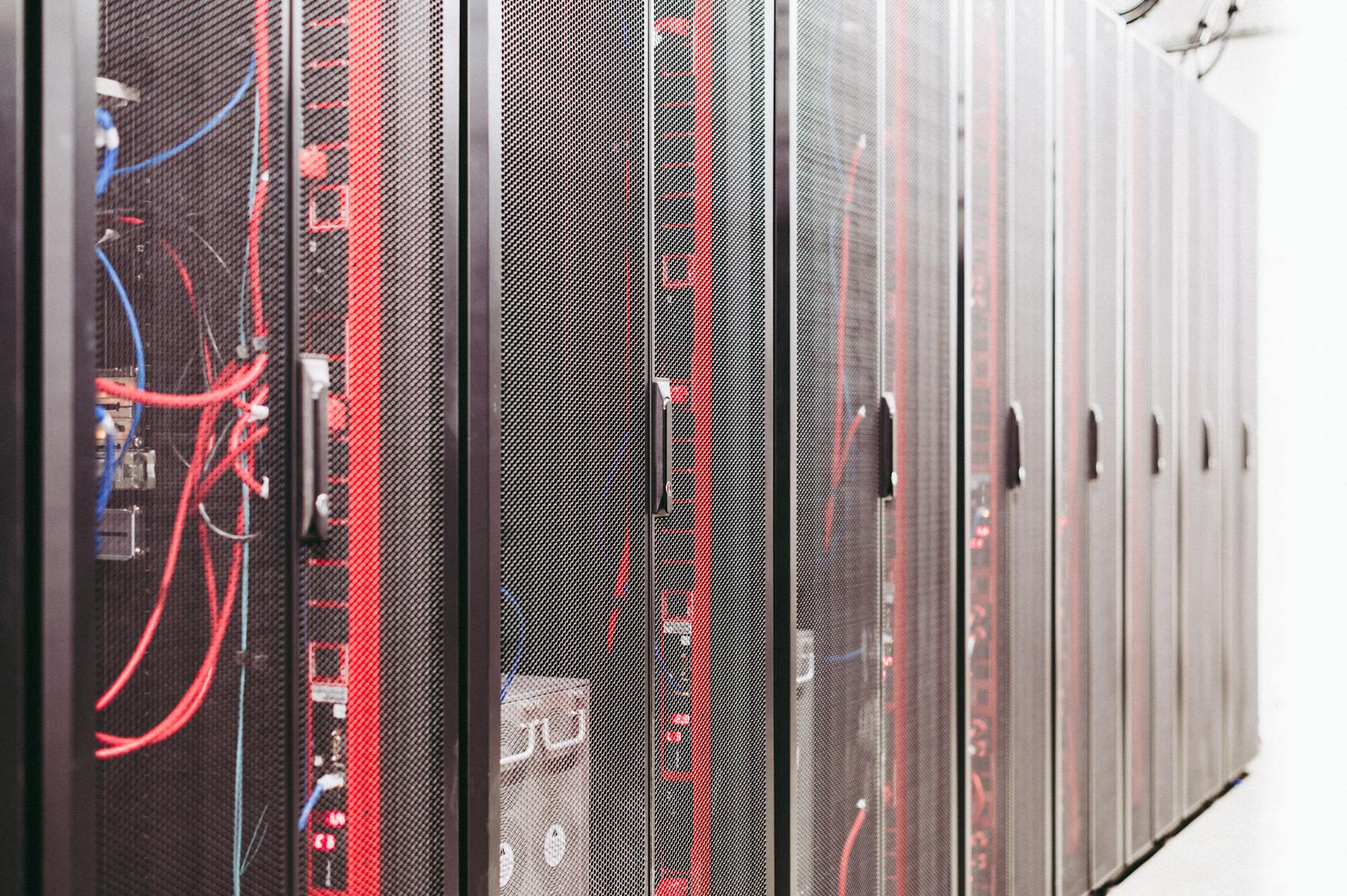
Forget the gaming rigs and the RGB-lit GPUs. AMD's real money machine is now humming in server racks, not in your living room. The company's latest earnings report shows data center revenue hit $6.7 billion in Q2 2026, more than doubling year-over-year. That's a 107% jump from $3.2 billion a year earlier, and a healthy 15% bump from Q1's $5.8 billion.
Let that sink in. While the world was busy debating whether AMD could ever truly challenge Nvidia in AI, Lisa Su and crew were quietly turning the data center into a cash cow. The AI boom isn't just hype — it's money in the bank.
The Great Divergence
Here's where it gets uncomfortable for the PC gaming crowd. AMD's gaming segment, which includes graphics cards and console chips, is shrinking. Revenue there fell 30% year-over-year to just $1.2 billion. That's a stark contrast to the data center's meteoric rise.
Make no mistake: this is a strategic choice, not an accident. AMD is pouring resources into AI accelerators like the MI300X and MI350, chasing the same lucrative market that's made Nvidia the most valuable company on Earth. Gaming? It's becoming an afterthought.
"Data center is where the growth is, and AMD is all-in. If you're a gamer waiting for the next big Radeon card, you might be waiting a while."
That's not a quote from an analyst — that's my take, and it's based on cold, hard numbers. When your data center business grows by $3.5 billion in a year and your gaming business shrinks by half a billion, the message is clear.
The AI Gold Rush
AMD's data center success didn't happen in a vacuum. Hyperscalers like Microsoft, Meta, and Amazon are in a spending spree for AI compute, and they're not just buying Nvidia. AMD's MI300 series has become a credible alternative, especially when supply of Nvidia's H100 and B200 chips is tight.
“We're seeing unprecedented demand for our AI accelerators,” said CEO Lisa Su on the earnings call. “Our data center GPU revenue was up more than triple year-over-year.”
That's not hyperbole. AMD's data center GPU revenue alone is now a multi-billion dollar business, and it's growing faster than almost anything else in the semiconductor industry.
Gaming's Slow Fade
Now, let's talk about the elephant in the room: the gaming division. It's not just the numbers that look bad; it's the vibe. AMD's Radeon RX 8000 series, launched earlier this year, was solid but not spectacular. The RX 9070 XT gave Nvidia a run for its money at the mid-range, but high-end enthusiasts still flock to Team Green.
And there's another problem: the console business. AMD makes the chips for both the PlayStation 5 and Xbox Series X/S, but those are mature products now. Console sales have slowed, and AMD's gaming revenue is feeling the pinch.
The gaming division isn't dying, but it's being demoted. In the hierarchy of AMD's priorities, AI accelerators sit at the top, and everything else fights for scraps.
The Road Ahead
So, what does this mean for the future? Expect AMD to keep pushing hard into AI. The MI400 series is on the horizon, and the company has already secured deals with major cloud providers. Meanwhile, gaming will get annual refreshes, but don't expect the kind of leapfrog innovations we saw during the GPU wars of the past.
If you're a shareholder, this is great news. Data center margins are fatter than gaming, and the growth potential is enormous. If you're a gamer, well, you might want to temper your expectations. AMD's heart is elsewhere.
There's also a broader implication here. The AI boom is reordering the semiconductor industry. Companies that bet on AI are soaring; those that don't are left behind. AMD has made its choice, and it's paying off. But it's a choice with consequences — and gamers are feeling them.
The Verdict
This earnings report is a clear signal that AMD is no longer a gaming-centric company. It's a data center powerhouse that happens to make graphics cards on the side. The shift has been underway for years, but now it's official.
Is that a bad thing? Depends on who you ask. Investors are happy. AI researchers are happy. But if you're holding out for a Radeon card that can truly dethrone the RTX 5090, you might be waiting forever.
AMD's data center boom is a win for the company and a win for the AI industry. But it's a loss for the gaming enthusiasts who helped build the brand. The two worlds are diverging, and there's no going back.