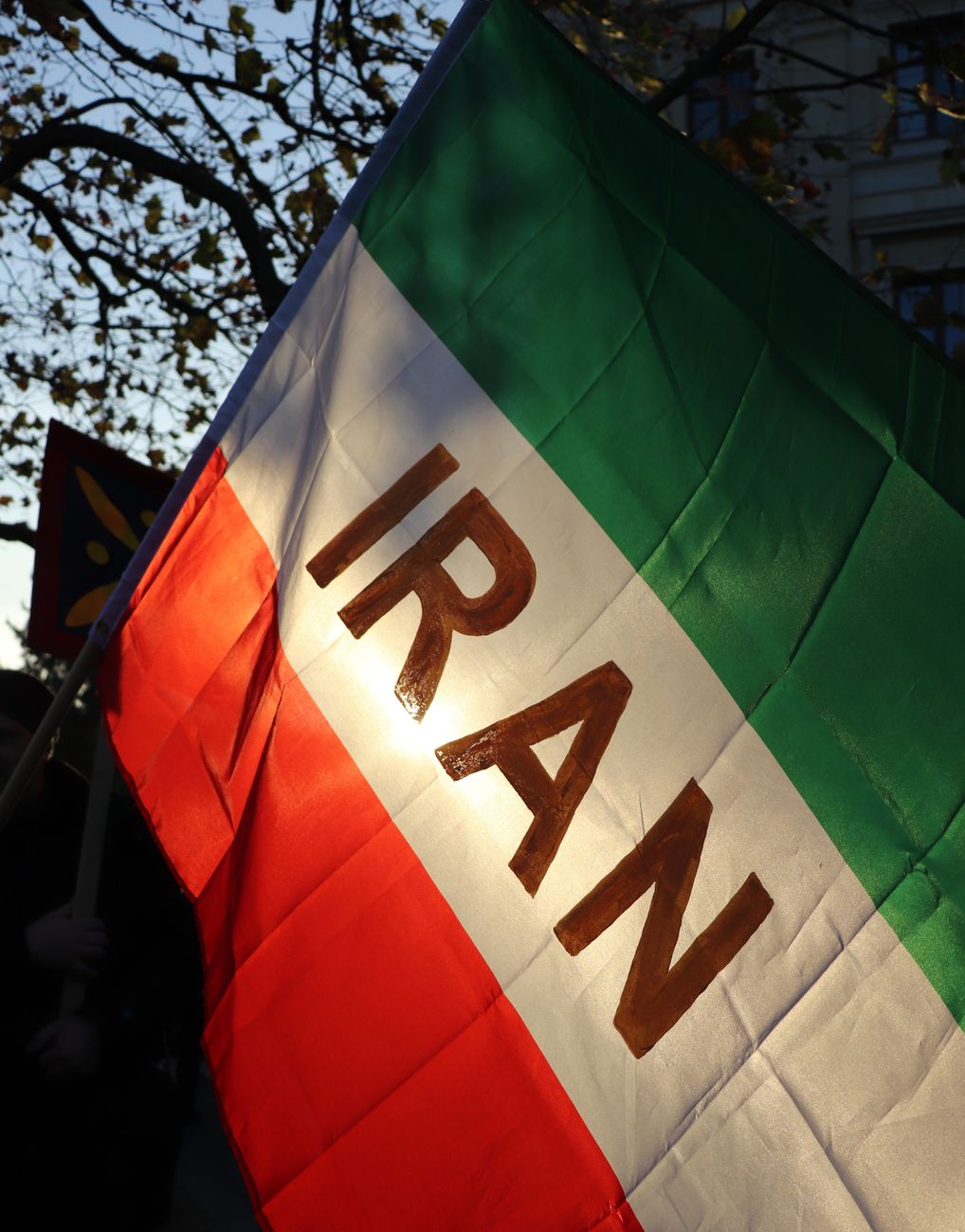
The United States did something Tuesday that, on its face, looks like a hostage negotiator handing the kidnapper a pile of cash before asking him nicely to release the victim. The Treasury Department issued a sweeping rollback of sanctions on Iranian oil, effectively unlocking billions of dollars in frozen revenue for Tehran. The official line? It's a 'goodwill gesture' to grease the wheels of peace negotiations. The unofficial line? Nobody buys it.
Wait, We're Paying Iran Now?
Yes and no. The waivers—technically called 'Special Purpose Financial Messaging (SPFM) licenses'—allow foreign banks to process oil transactions with Iran without facing U.S. penalties. The waiver period runs six months, and analysts estimate it could funnel $12 to $15 billion into Iran's coffers. That's not Monopoly money. That's real cash that can buy centrifuges, drones, and missiles—or, if you're feeling generous, food and medicine. But let's not kid ourselves about where the regime's priorities lie.
The administration insists this is a strategic move. 'We are giving diplomacy a chance,' said a State Department spokesperson, who asked not to be named because the backlash has been swift. 'This is not a blank check. We are monitoring every transaction.'
“The U.S. just handed Iran a $15 billion lifeline. The question isn't whether Iran will use it for good—it's whether they'll use it to kill Americans later.”
What Exactly Changed?
Under the old sanctions, any country buying Iranian oil could face secondary U.S. sanctions—meaning banks that facilitated the trade could be cut off from the American financial system. That was the hammer that kept Iran's oil exports below 500,000 barrels per day. The new waivers effectively suspend that hammer for six months. Japan, South Korea, India, and China—Iran's biggest customers—can now ramp up purchases without fear of getting slapped.
Iran's oil exports, which had cratered to around 300,000 bpd under maximum pressure, could jump to 1.5 million bpd by year-end, according to tanker tracking data. That's a lot of crude, and a lot of leverage for a regime that has, historically, used leverage to build bombs and fund proxies.
The Deal on the Table
The broader context: The U.S. and Iran have been negotiating a new nuclear deal since early 2025. The original JCPOA died in 2018, when Trump pulled out. Biden tried to revive it, failed, and now the current administration is trying a different approach: give Iran money first, then ask nicely for compliance. Critics call it 'prepayment for promises.' Supporters call it 'confidence-building.'
The proposed deal would limit Iran's uranium enrichment to 3.67% (well below weapons-grade), impose snapback sanctions if Iran cheats, and require IAEA access to undeclared sites. In return, the U.S. would lift most oil and financial sanctions. Sounds good on paper. But Iran has never exactly been a trustworthy partner. They've enriched to 60%—a hair's breadth from 90%—and stonewalled inspectors for years.
Who Wins, Who Loses?
The winners are obvious: Iran's leadership, which gets a cash infusion right before elections. And China, which secures cheap oil without U.S. meddling. Also, European companies that have been itching to do business with Tehran again.
The losers? Israel and Saudi Arabia, both of whom view a nuclear-capable Iran as an existential threat. They've already started lobbying Congress to block the waivers. And let's not forget the Iranian people, who probably won't see a dime of this money—unless you count the inflation that'll come when the regime prints more rials.
Then there's the U.S. taxpayer. The waivers don't cost the Treasury directly, but they reduce the U.S.'s ability to pressure Iran. If talks collapse, we've just armed our adversary. And we can't un-ring that bell.
The Bigger Implications
This move signals a major shift in U.S. policy. For years, the mantra was 'maximum pressure'—starve Iran until they cry uncle. Now it's 'maximum leniency'—feed them until they behave. That's a risky bet. Iran has a long track record of taking concessions and giving nothing in return. Remember the 2015 deal? They got $150 billion in sanctions relief, then used it to fund Hezbollah, Hamas, and the Houthis.
But here's the thing: the alternative—military strikes—is worse. A war with Iran would be catastrophic. So maybe, just maybe, this gamble is worth it. The administration is betting that Iran's leadership is rational enough to prefer billions in trade over a smoking ruin. That's a bet they better win.
The waivers are temporary—six months. If negotiations stall, the U.S. can snap them back. But snapback is a nuclear option: it kills the deal instantly and leaves everyone worse off. So the pressure is on both sides.
Verdict: A High-Stakes Poker Game
America just pushed a massive stack of chips to the center of the table. Iran can either fold and take the money, or call the bluff and enrich uranium to 90%. The next six months will tell us whether this was a masterstroke or a catastrophic miscalculation.
One thing's for sure: this story isn't over. It's barely begun.