The United States just yanked the leash off its military machine. Hours after revoking Iran's oil sales authorization—the final scrap of economic mercy—CENTCOM announced it had resumed what it calls 'powerful strikes' on Iranian targets. The trigger? A series of ship attacks in the Strait of Hormuz that pushed Washington past its breaking point.
The Strait Snaps
For weeks, the Strait of Hormuz had been a tinderbox. Iranian fast-attack craft swarmed commercial vessels, fired warning shots, and—according to Pentagon officials—damaged at least two oil tankers. No one died. But the message was clear: Tehran was testing whether America would blink. It didn't.
'We are no longer tolerating the intolerable.' — A senior CENTCOM official, speaking on condition of anonymity
By revoking the oil waivers, the administration signaled it was done with economic half-measures. The strikes that followed were the punctuation mark. 'This is not a pinprick operation,' a defense analyst told me. 'These are sustained, high-intensity attacks designed to degrade Iran's naval and missile capabilities.'
The Waiver That Wasn't
Let's be clear: the oil authorization was always a farce. It allowed Iran to sell a trickle of crude to a handful of buyers, essentially a humanitarian fig leaf. But Tehran used those revenues to fund proxy militias and upgrade its coastal defense systems. The administration finally admitted what everyone in the room knew: the waivers were a lifeline, not a leash.
Revoking them was a declaration of economic war. The strikes made it kinetic.
What 'Powerful Strikes' Actually Means
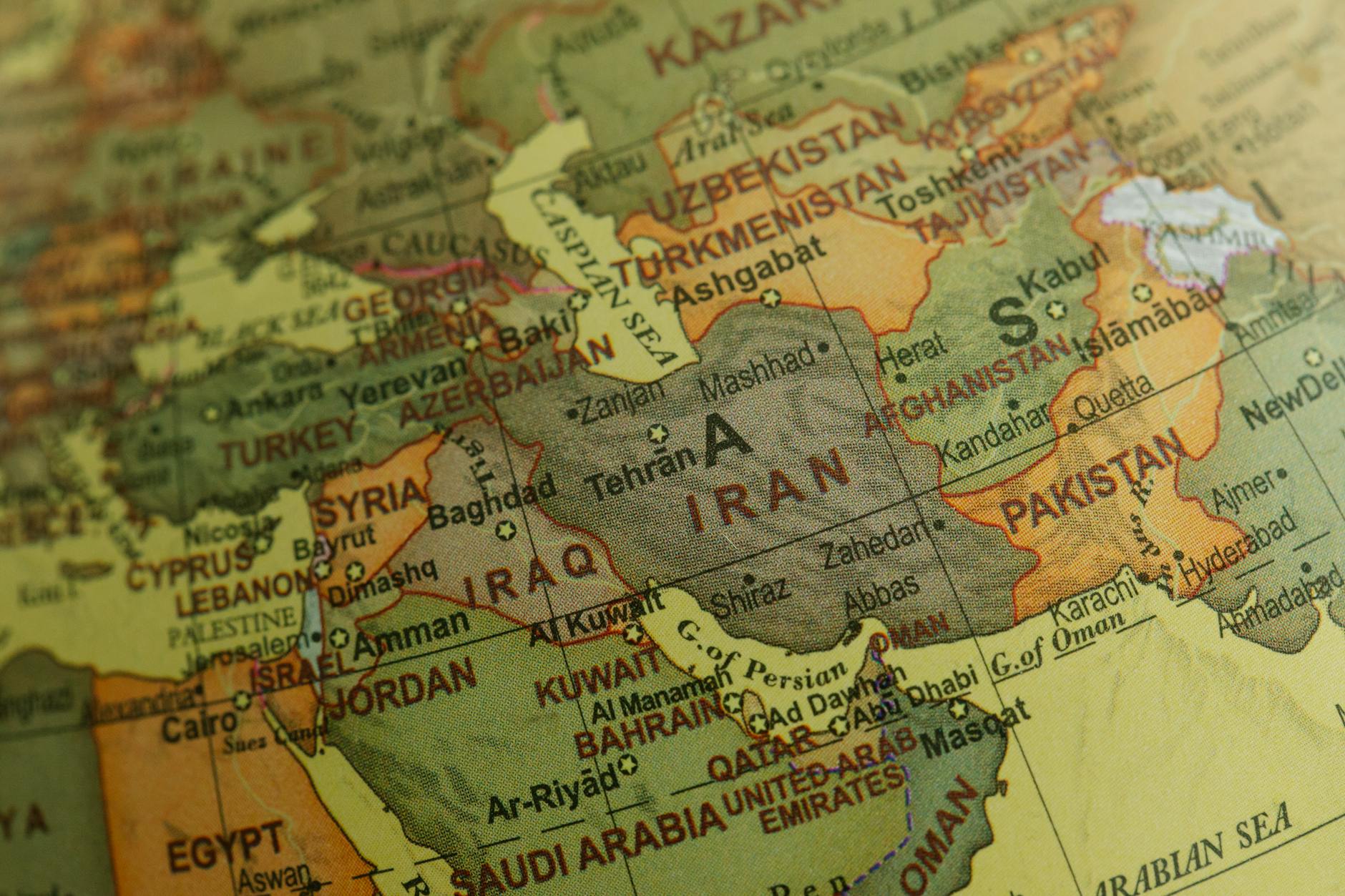
CENTCOM's press release was heavy on bravado, light on details. But sources say the opening salvo hit radar installations, anti-ship missile batteries, and command centers along Iran's southern coast. B-52s launched from Qatar. Tomahawk missiles lit up the night. Iranian air defenses—old, Soviet-era systems—fired wildly, hitting nothing.
'This is not 2020. This is not a drone strike on Soleimani,' a former Pentagon official said. 'This is war-lite, but war nonetheless.'
Iran's response so far has been rhetorical. Its UN ambassador called the strikes 'an act of aggression' and promised 'severe consequences.' But as of late Tuesday, no Iranian missile had been fired at a U.S. base. No tanker had been set ablaze. The mullahs are calculating, and they know that every hour they wait, the Pentagon's targeting list grows longer.
The Oil Market Hold Your Breath
Brent crude spiked 4% on the news, then settled. Traders have seen this movie before. The question is whether this is a one-act play or the opening scene of a longer war. If Iran retaliates by mining the Strait—its nuclear option—oil could hit $150 a barrel overnight. If it swallows the strikes and negotiates, prices crash back to $70.
I'd bet on more strikes. The administration has painted itself into a corner. It can't back down now without looking weak, and Iran can't back down without losing face. That's a recipe for escalation, not peace.
The Human Cost They Won't Show You
Let's not forget the bodies. Every 'powerful strike' kills people—irregulars, conscripts, maybe civilians near military installments. The Pentagon will call them 'collateral damage' and move on. Iran will parade their coffins on state TV. And Washington will shrug because, in the end, American voters care more about gas prices than Iranian lives.
But the dead have names. They have families. They were someone's son or daughter, pressed into service or lured by a paycheck. We sanitize this with phrases like 'degrading capabilities' and 'kinetic operations.' It's murder, dressed up in PowerPoint slides.
That doesn't make the strikes wrong—Iran's provocations were real. But it does make them tragic. And anyone who cheers this without a shudder has lost their humanity.
What Comes Next
Two scenarios: Iran sues for peace, or Iran lashes out. I'd bet on the latter. Tehran's leadership is cornered. They'll try to hit a U.S. base, sink a ship, or shoot down a drone. Something that lets them claim victory without triggering a full invasion. The question is whether CENTCOM will let them get away with it.
My gut says no. The strikes were not a warning. They were a reset. America is done playing games in the Gulf. And if Iran wants a war, it's going to get one.
Buckle up.