American Airlines is opening a grab-and-go lounge at New York's JFK. The airline calls it a "premium convenience experience." I call it a white-flag surrender to the reality that airline food has become so bad, even first-class passengers would rather eat a sad sandwich on a stool than pretend the lounge is worth a layover.
The concept is simple: no hot buffet, no made-to-order omelets, no bartender mixing your fifth Bloody Mary. Instead, you'll find pre-packaged salads, wraps, and snacks. Coffee machines. Fridges stocked with bottled drinks. Barista-made espresso, if you can call a machine-operated espresso "barista-made."
The end of the premium lounge lie
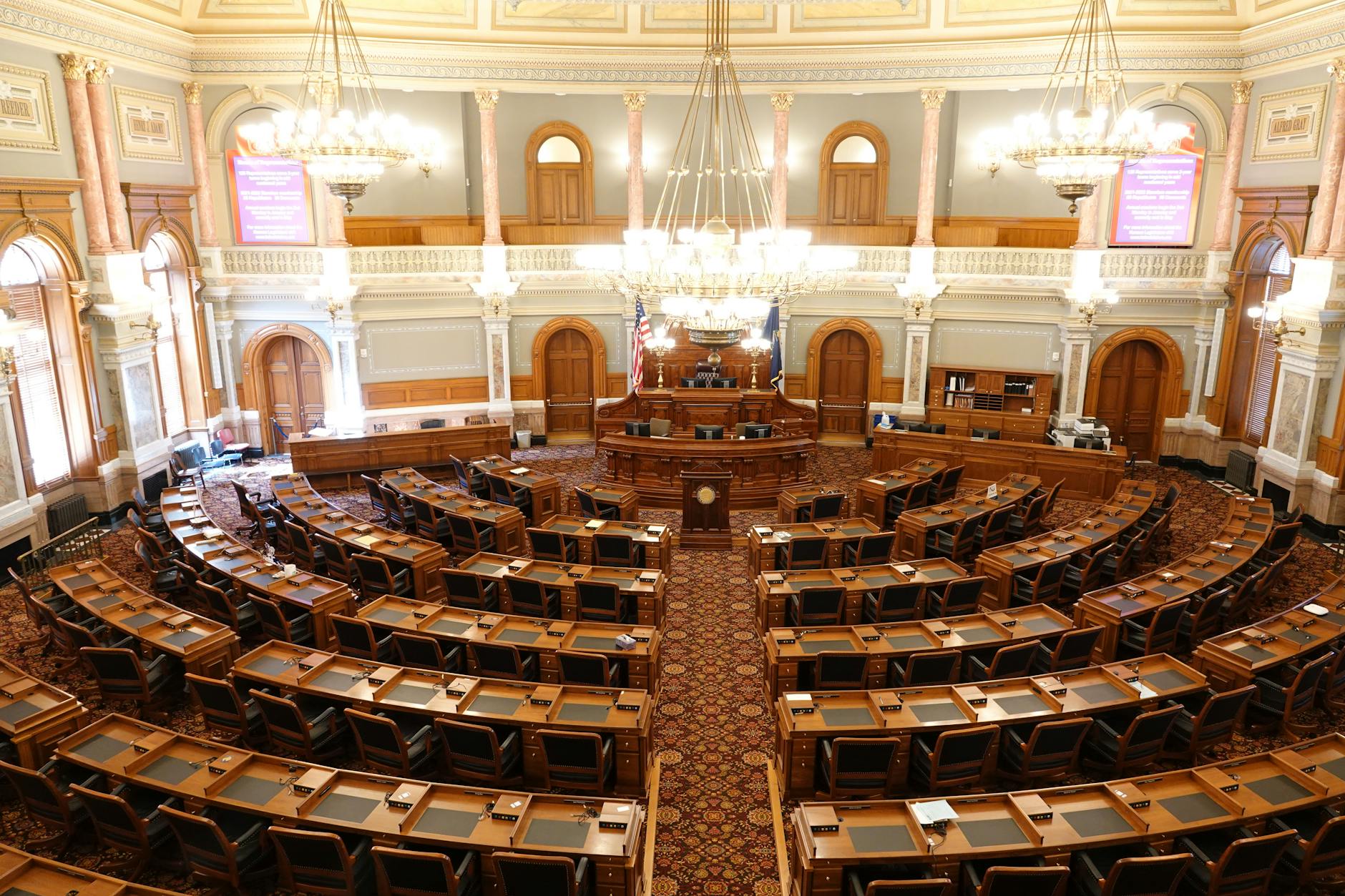
For years, airlines have sold lounge access as the ultimate upgrade. You pay more, you get more: leather chairs, quiet corners, free Wi-Fi, and food that's at least a notch above the microwaved mystery meat in coach. But the reality? Most lounges are overcrowded, understaffed, and serve food that would be mediocre at a gas station. American's new JFK lounge isn't an improvement. It's an honest admission that the game is up.
The airline is betting that travelers value speed over comfort. A grab-and-go lounge means you can be in and out in five minutes. No lingering. No pretending you're at a five-star hotel. Just grab a plastic-wrapped sandwich and head to the gate.
"The new lounge is designed for the modern traveler who values efficiency above all else," an American Airlines spokesperson said. "We're giving them what they want: a quick, high-quality option that gets them to their gate faster."
Spare me the corporate doublespeak. What they're really saying is: we can't staff or supply a full-service lounge at JFK, so we're rebranding a convenience store as premium.
The economics of airline food
Let's be real: airline food has been a joke for decades. The golden age of air travel — with silverware, steak knives, and actual chefs — ended before most of us were born. Since then, airlines have systematically cut costs. Hot meals became cold sandwiches. Cold sandwiches became snack boxes. Snack boxes became a bag of pretzels and a cookie.
American's grab-and-go lounge is just the latest step in this long, sad march. By outsourcing food preparation to third-party vendors and eliminating hot food entirely, the airline saves money on labor, equipment, and waste. They probably did the math: fewer employees, lower food costs, fewer complaints (because expectations are already rock bottom).
But here's the thing: passengers aren't stupid. They know a downgrade when they see one. Putting a shiny name on it — "premium convenience" — doesn't change the fact that you're offering a gas station experience at airport prices.
The New York factor
JFK is a special kind of hell. It's crowded, expensive, and perpetually under construction. The terminals are a maze of delays, bad signage, and despair. American's flagship lounge at JFK — the Chelsea Lounge — is one of the better ones, but it's often packed to capacity. A grab-and-go lounge is a pressure valve: a way to offer something to passengers without adding to the chaos.
Location matters. The grab-and-go lounge will be in Terminal 8, past security, near the gates. It's designed for the traveler who's already running late, or who just wants to avoid the terminal's overpriced food court. There's no seating area — just a counter and some stools. You eat standing up, like at a sushi bar in Tokyo. Only here, the sushi is a pre-made wrap.
American is calling it "the first of its kind in the U.S." That's technically true. But it's not innovation. It's capitulation. It's the airline equivalent of a restaurant that stops cooking and just heats up frozen pizzas.
The real losers
The people who lose most here are the ones who pay for lounge access. Annual memberships, credit card perks, premium cabin tickets — all of them promise a certain level of comfort. A grab-and-go lounge doesn't deliver comfort. It delivers convenience. Those are two different things.
Business travelers, who often rely on lounges to eat real meals between flights, will be the first to notice. They'll walk in, see the cold sandwiches, and walk out. Or worse, they'll stay and eat a sad lunch while staring at a gate announcement screen.
Leisure travelers? They're just happy to get anything. But they're not the ones paying $600 a year for an Admirals Club membership.
What this means for the future
American's JFK grab-and-go lounge is a test. If it works — if passengers accept it, or at least don't riot — you'll see more of them. Delta and United are already watching. Every airline is looking for ways to cut costs without cutting ticket prices. This is how they do it: slowly, carefully, one downgrade at a time, wrapped in marketing speak.
The next step? Pay-per-item lounges. Or lounges with vending machines. Or maybe just a QR code you scan to get a coupon for the food court.
But let's be clear: this isn't about the traveler. It's about the bottom line. Airlines have figured out that you'll pay for a premium experience even if the experience isn't premium. They're banking on your inertia, your loyalty points, your exhaustion. And they're winning.
The grab-and-go lounge is a symptom of a larger disease: the slow death of service in American air travel. We've already lost legroom, free meals, and basic courtesy. Now we're losing the illusion that lounges are a sanctuary. Soon, they'll just be another place to buy a sandwich.