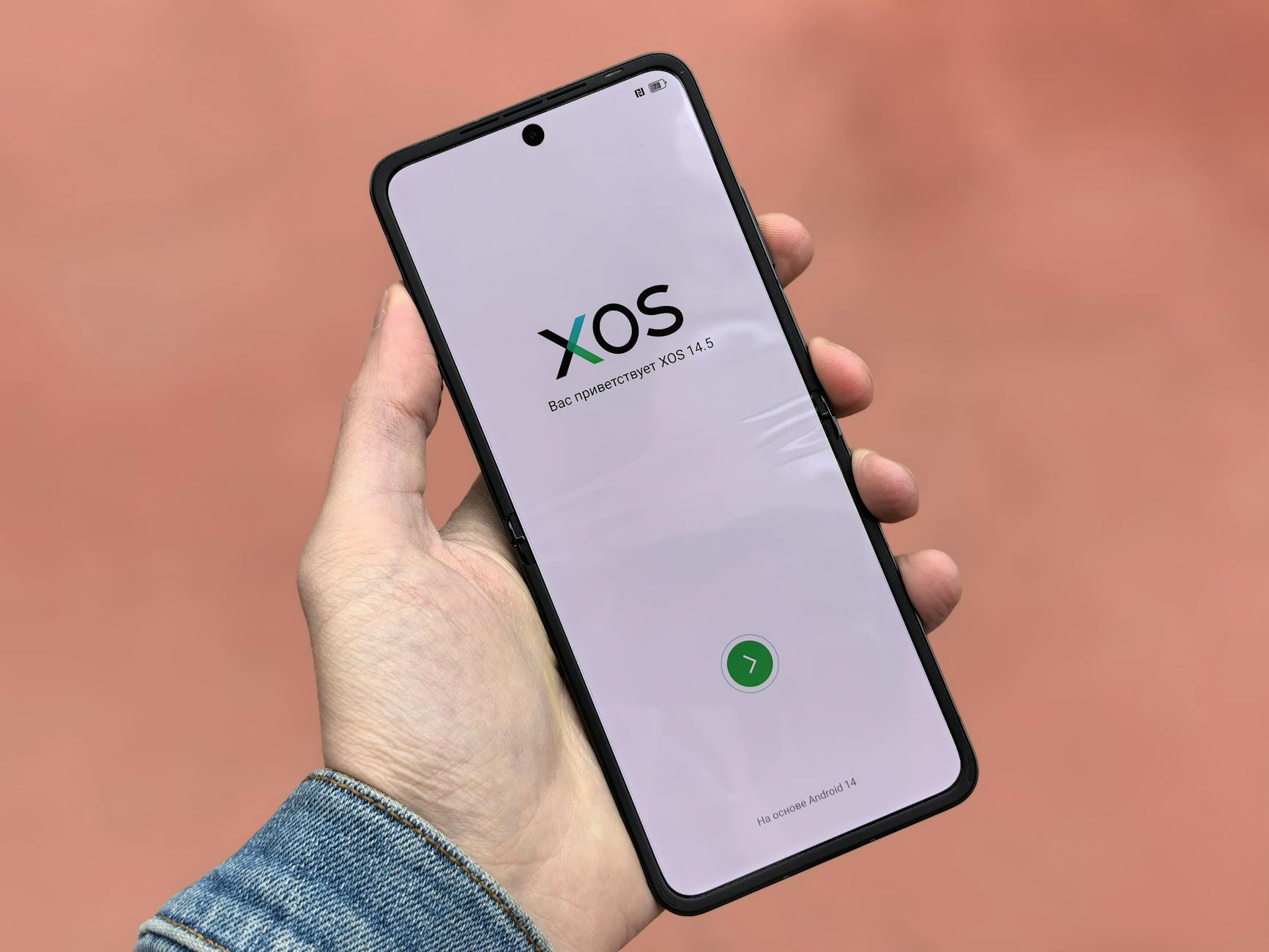
Foldable phones are still searching for a killer app. We've seen them as mini-tablets, as productivity tools, and as awkward camera viewfinders. None of it stuck. Now Google is betting that the answer is gaming — and a virtual gamepad that lives on half the screen.
Android 17, due in the coming months, will introduce a dedicated gaming mode for foldable devices. The feature places a virtual controller with tactile-looking buttons on the bottom half of the display while the game runs on the top. It's not a new idea — Samsung and Motorola have dabbled with similar concepts — but Google's version aims to solve the pain points that made those attempts feel like tech demos rather than daily drivers.
One screen, two jobs
The core problem with on-screen controls is that they eat up valuable real estate. On a traditional slab phone, a virtual gamepad shoves the game into a smaller window, creating a cramped experience. Foldables, with their squarer aspect ratios, make this worse. The top half becomes a letterboxed window; the bottom half is a black void filled with buttons you can't feel.
Android 17's approach is to treat the foldable as two distinct surfaces. The game runs in the upper half, full width, with no letterboxing. The lower half becomes a custom controller layout that adapts to the game — emulating a D-pad, action buttons, and even analog sticks. The system uses haptics to mimic the click of physical buttons, though it's still a far cry from the real thing.
“The goal is to make foldables feel like a portable console, not a phone with a gimmick.” — Google spokesperson
The mode will support gamepad remapping, sensitivity adjustments, and the ability to hide the controller for cutscenes or menus. It's also context-aware: tilt the phone to landscape, and the controller moves to the right side, mimicking a traditional handheld layout.
The messy reality of emulation
Let's not pretend this will solve the fundamental problem of touch controls. They suck for precision gaming. No amount of haptic feedback or on-screen real estate will make a virtual stick feel as responsive as a physical one. The real audience here is emulation enthusiasts and casual gamers playing titles that don't require split-second accuracy — think turn-based RPGs, puzzle games, or point-and-click adventures.
But that's a bigger market than you might think. Retro gaming on phones has exploded since the GBA and N64 emulators hit the App Store. Foldables offer a unique advantage: the screen is roughly the same size as the Nintendo Switch's display. With a gamepad on the bottom, a foldable could theoretically replace a dedicated handheld for light duty.
Google is also courting cloud gaming services. The mode will automatically activate when launching games from Xbox Cloud Gaming, GeForce Now, or Steam Link. This is smart — those services already suffer from latency and lack of physical controls. A standardized, decent virtual controller across all Android foldables could make the experience less painful.
Don't call it a Switch killer
The Nintendo Switch comparison is inevitable, but it's also lazy. The Switch's success hinges on its library of exclusive titles, not its hardware. Android has thousands of games, sure, but most are designed for touchscreens or require a separate Bluetooth controller. A built-in virtual gamepad doesn't change the fundamental reality that mobile games are built for taps and swipes, not analog sticks.
What this mode does is lower the barrier to entry for serious gaming on foldables. Instead of buying a $50 controller attachment, you just unfold your phone. It's a convenience play, not a performance one. For the casual player who wants to kill time with a console port on the subway, that convenience could be the difference between using the feature and ignoring it.
The hardware problem
None of this matters if the hardware isn't ready. Current foldables like the Pixel Fold or Galaxy Z Fold have 120Hz displays and powerful chipsets, but they're thicker than traditional phones and have creases that ruin immersion. The virtual gamepad also drains battery faster — you're effectively running two discrete rendering tasks on the same screen.
Google is aware of this. The mode will include a battery optimization feature that drops the controller's refresh rate to 60Hz while the game runs at 90 or 120. It's a clever compromise, but it underscores the trade-offs inherent in folding hardware. The dream of a pocket-sized console is still just that — a dream — until batteries and displays catch up.
Still, Android 17's gaming mode is the most sensible attempt yet to give foldables a identity. It doesn't try to be everything at once. It picks a lane — gaming — and commits. Whether that's enough to sell more foldables is an open question. But for the first time, Google is treating foldables as something more than just expensive experiments.
The real test will come when developers actually build their UIs around the split-screen paradigm. If the mode gains traction, we could see games designed from the ground up for foldable play. That's when things get interesting. Until then, this is a solid Band-Aid on a still-healing wound.