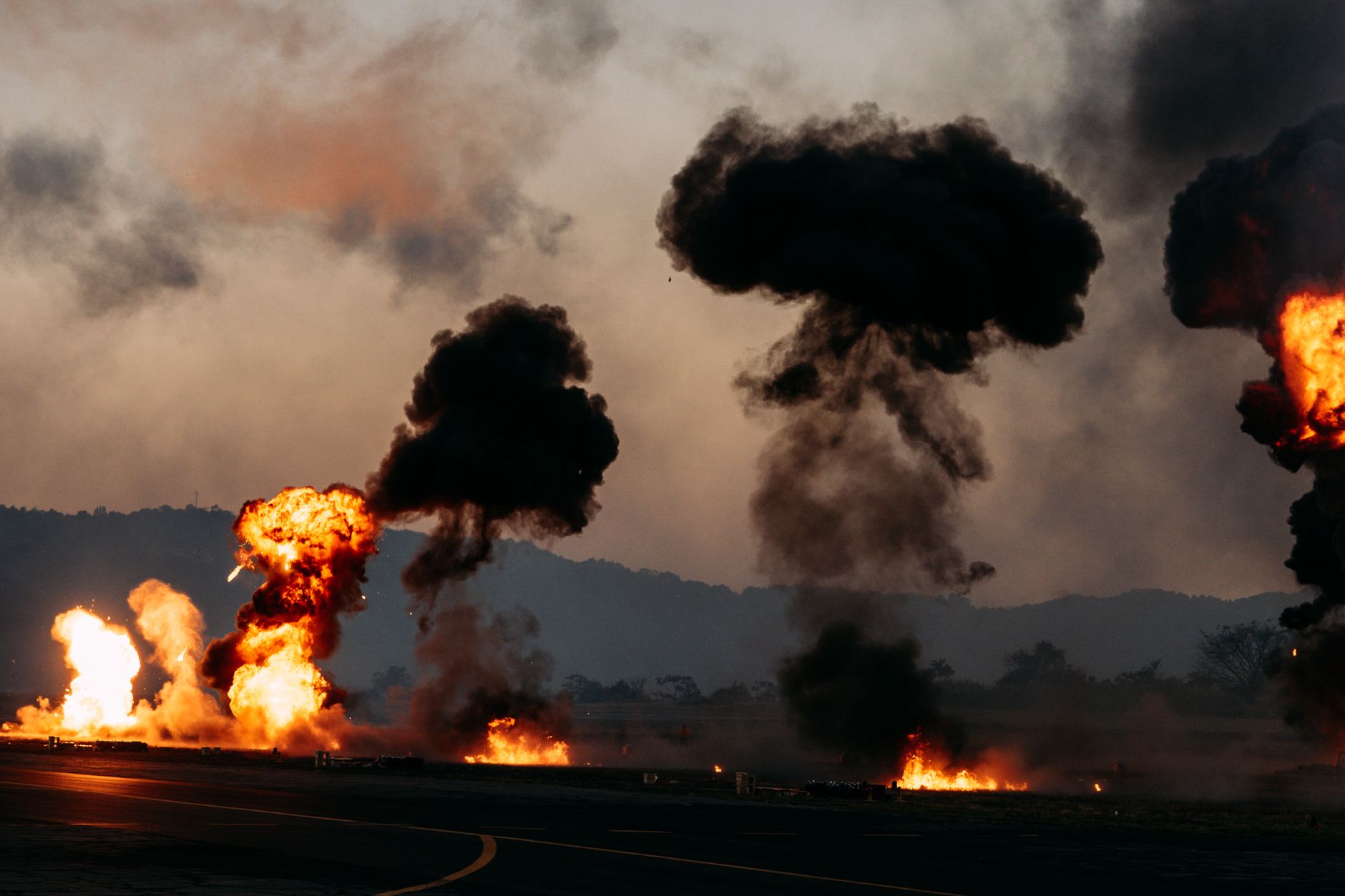
The smoke was still curling over the Arabian Peninsula when the Saudi Energy Ministry rushed to assure the world: no casualties, the fire is out, everything's under control. But early Sunday morning, flames licked the sky at an Aramco facility in Jizan, and that official calm feels more like a band-aid on a bullet wound.
Let's be clear about what happened. A fire broke out at an Aramco facility in the southwestern city of Jizan, a strategic spot near the Yemeni border. The ministry says it's extinguished, no one was hurt, and operations are back to normal. That's the official line. But every time something goes bump in the night at a Saudi oil installation, the whole world holds its breath. And for good reason.
This isn't just any facility. Jizan is home to a massive refinery and a hub for energy exports. It's also been a flashpoint for years—Houthi drones and missiles have targeted the area repeatedly. So when flames erupt there, the immediate question is: was this an attack? The ministry hasn't said. They've been vague, offering no cause, just reassurance.
But here's the thing: even if this was a mundane industrial accident—a faulty valve, an electrical spark—it's a stark reminder that the global energy system runs on a thread. One spark at the wrong time, and prices spike, markets panic, and governments scramble.
You don't have to be a conspiracy theorist to see the pattern. Over the past few years, Aramco's facilities have been targets in a regional power struggle. The 2019 attacks on Abqaiq and Khurais temporarily halved Saudi oil output. That was a wake-up call. Since then, there have been smaller incidents, and the Saudis have beefed up air defenses. But you can't defend everything, everywhere, all the time.
When Every Spark Feels Like a Strike
Let's talk about the stakes. Saudi Arabia leads OPEC and holds the world's second-largest proven oil reserves. It's the only producer with significant spare capacity—about 3 million barrels per day—that can quickly make up for supply disruptions elsewhere. That's why the world's eyes are glued to Saudi oil infrastructure. When something goes wrong there, it ripples through every gas station, every airline ticket, every plastic product on the shelf.
Jizan specifically is crucial because it's not just a refinery—it's a hub for exports and domestic energy. The Jizan refinery, completed in 2021, was a major part of Saudi Arabia's push to diversify its economy and process its own crude. It's also located in the middle of a region that's been a battleground for years. The proximity to Yemen, where a brutal civil war has raged, and where Iranian-backed Houthis have launched cross-border attacks, means this is prime vulnerable territory.
So when the Energy Ministry says "no casualties," that's a relief. But it's not the whole story. The absence of an immediate claim of responsibility doesn't rule out a hostile act. The Houthis have been known to take time to claim attacks, or they might stay silent for a while.
The question isn't whether this was intentional or accidental. The question is: how many more wake-up calls do we need before we seriously rethink our dependence on fossil fuels?
We're living in a strange limbo. On one hand, the world is transitioning to renewable energy, trying to cut emissions. On the other, oil demand is still near record highs, and Saudi Arabia is pumping to keep up. Every few months, a flashpoint emerges—a drone strike, a pipeline blast, a refinery fire—and we're reminded that our energy security is fragile.
Energy Security in the Crosshairs
This incident is a textbook case of why energy security is a top-tier geopolitical issue. It's not just about economics, though oil prices are the lifeblood of global markets. It's about national security, diplomacy, and the balance of power. When a nation's critical infrastructure is exposed to potential attacks, it affects its standing and its ability to project force.
Saudi Arabia has been in a precarious position, balancing its role as a U.S. ally with its own regional ambitions. The Biden administration has had a rocky relationship with Riyadh, especially after the murder of Jamal Khashoggi and the Saudis' oil production policies. But regardless of political tensions, the U.S. has a strategic interest in stable energy supplies. And a disruption in Saudi oil can be a game-changer.
It's also worth noting that global energy markets are already strained. The war in Ukraine has scrambled supply chains, and OPEC+ decisions are scrutinized. Any hiccup in a major producer can send prices soaring. While this fire didn't cause a price spike—yet—it's the kind of event that traders watch with nervous energy.
The Houthi Factor You Can't Ignore
Let's not forget the elephant in the room: the Houthis. The Iran-backed rebels have been fighting a Saudi-led coalition in Yemen for years. They've repeatedly targeted Saudi oil infrastructure and airports with drones and missiles. The Jizan region is on the front line. It's not a coincidence that fires or attacks happen in this area more than others.
Just months ago, a Houthi attack on a Saudi Aramco facility in Ras Tanura—the Gulf's largest oil port—was intercepted. That was a major escalation. The Houthis are not going to stop; they've shown they have the capability and the will to hit deep inside Saudi territory. Even if they don't succeed in causing massive damage, the psychological impact is real.
So when the Saudi Energy Ministry confirms a fire at Jizan, the first thought is: "Is this a Houthi drone strike?" The lack of immediate evidence can be either reassuring or unnerving. If it was an attack, the Saudis might downplay it to avoid panic. If it was an accident, they'd want to emphasize that to downplay the security risk. Either way, they're managing the narrative.
What Happens Now?
After such incidents, the focus is on containment and resilience. Aramco has a strong track record of quickly restoring operations. They've had practice. But each incident chips away at the perception of invincibility. Investors and insurers take note. Security budgets increase. And the global public is reminded that our energy systems are vulnerable.
The bigger issue is that this pattern—attack, fire, outage—is becoming routine. We can't just assume it's going to get better. The Saudis will continue to invest in air defense and counter-drone systems, but the Houthis are adaptive. They'll find new ways around it. And let's not forget that the underlying conflict in Yemen shows no signs of resolution. The war continues, and so do the risks.
For the average consumer, the takeaway might be a momentary worry at the gas pump. But for policymakers, it's a call to action. We need to diversify energy sources, not just for environmental reasons but for security. Relying on one region, one country, or one type of fuel is a gamble. The Jizan fire is a small piece of that puzzle.
Here's the uncomfortable truth: we are trapped in a cycle of dependence and vulnerability. Every time something goes wrong, we tighten the screws, but we don't address the root. We're like a juggler with too many balls in the air, and each one is on fire.
So as the smoke clears in Jizan, the world breathes a sigh of relief that it wasn't worse. But we shouldn't just move on. We should ask the hard questions: Who did this? Was it a drone or a spark? And more importantly—how long can we keep doing this dance before something truly catastrophic knocks us off the tightrope?
The fire may be out, but the embers of instability remain. It's time we stopped pretending otherwise.