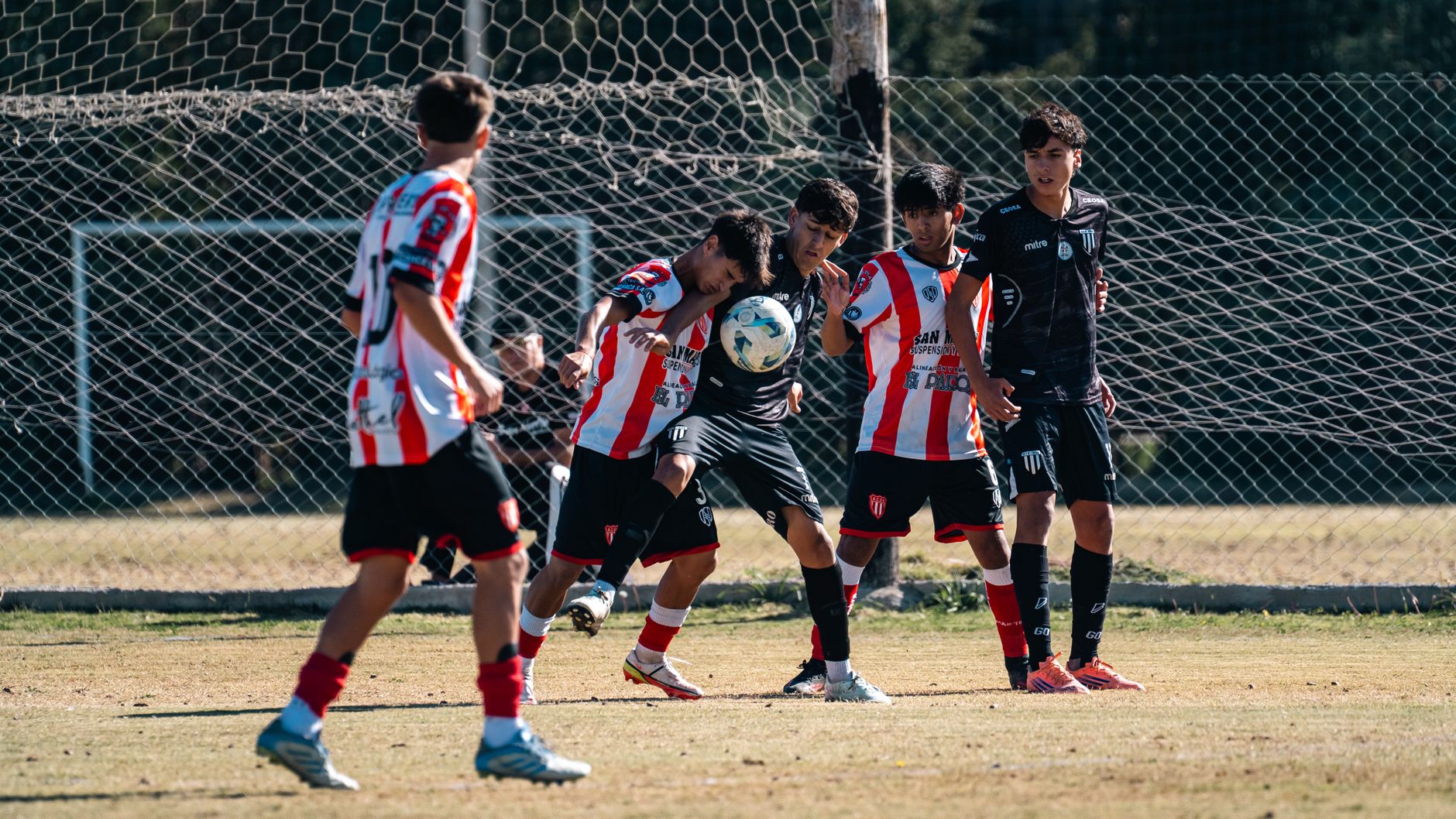
They win World Cups. They produce the gods of the game—Messi, Maradona, Di María. But Argentina's soccer system, the same machine that churns out legends, is broken. Exploited. Abusive. According to an ESPN investigation released Friday, it's a system rife with child neglect.
The report is damning. Hundreds of boys, some as young as eight, are plucked from impoverished homes and funneled into academies that promise stardom. Instead, many find overcrowded dorms, rotting food, and coaches who view them as commodities. One former youth player described sleeping on a mattress stained with urine. Another said he was beaten for missing a goal.
The Pipeline of Poverty
Argentina's soccer pyramid runs on desperation. Scouts fan out across the country's dusty provinces, targeting families who can't afford shoes, let alone dreams. The pitch is simple: give us your son, and we'll make him a star. For parents, it's a lifeline. For the clubs, it's a supply chain.
But the promise is hollow. ESPN interviewed 50 former youth players, coaches, and social workers. The pattern is consistent. Kids are separated from their families, often with no legal oversight. Clubs provide substandard housing—think plywood bunks, no heat, shared toothbrushes. Meals are scarce; one academy served the same bowl of broth three days running.
"They treat you like a dog," says 19-year-old Mateo, who spent four years at a Buenos Aires club. "If you complain, you're out. And if you're out, you're back to nothing."
Coaches as Gatekeepers
The power imbalance is terrifying. Coaches control everything—playing time, food, contact with family. Some demand kickbacks from parents desperate for their son to get a shot. Others exploit the boys sexually. The investigation cites multiple cases of coaches sleeping with minors, with club officials looking the other way.
"These men are not mentors," says Dr. Laura Fernández, a child psychologist who has worked with former youth players. "They are predators operating in plain sight. The system enables them because the system cares about trophies, not children."
"They treat you like a dog. If you complain, you're out. And if you're out, you're back to nothing."
Money vs. Morality
Argentina's clubs are cash-strapped. Many rely on selling young talent to European giants—a transfer fee for a 16-year-old can be a million dollars or more. That creates a perverse incentive: churn through kids, keep costs low, and cash in on the one-in-a-thousand who makes it.
The rest? Discarded. No education plan. No mental health support. They return to their villages with nothing but scars. "They call it 'the lottery,'" says former youth coordinator Carlos Ruiz. "You buy a ticket, and you probably lose. But the house always wins."
The Argentine Football Association (AFA) has been aware of these abuses for years. In 2019, a government audit found 70% of youth academies violated basic child welfare laws. The AFA promised reform. Nothing changed.
World Cup Winners, Ethical Losers
Argentina's senior team just lifted the World Cup. Lionel Messi, the boy from Rosario who rose through the same system, is a global icon. But for every Messi, there are thousands of broken kids. The system that produced him is a gauntlet of exploitation.
"Messi was lucky," says Ruiz. "He had talent, yes. But he also had a family that fought for him. Most of these kids have no one."
The ESPN report should be a wake-up call. But will it be? Soccer's ruling bodies—FIFA, CONMEBOL—have a long history of looking the other way. Argentina's federation is more interested in winning than protecting. And fans? They cheer the goals, not the cost.
What Comes Next
The investigation names names. Several clubs have already issued denials. The AFA says it will "review" the findings. But without external pressure—sponsors pulling money, journalists refusing to look away—nothing will change.
This is not an isolated scandal. It's a feature of a global sport that treats young athletes as inventory. Argentina is just the latest expose. Brazil has similar problems. So does Nigeria, Spain, and even the United States.
The question is not whether we can change the system. It's whether we want to. If the World Cup is truly the world's game, then the world needs to decide: Are we okay with our champions being built on the backs of neglected children?
I'm not.
And neither should you be.