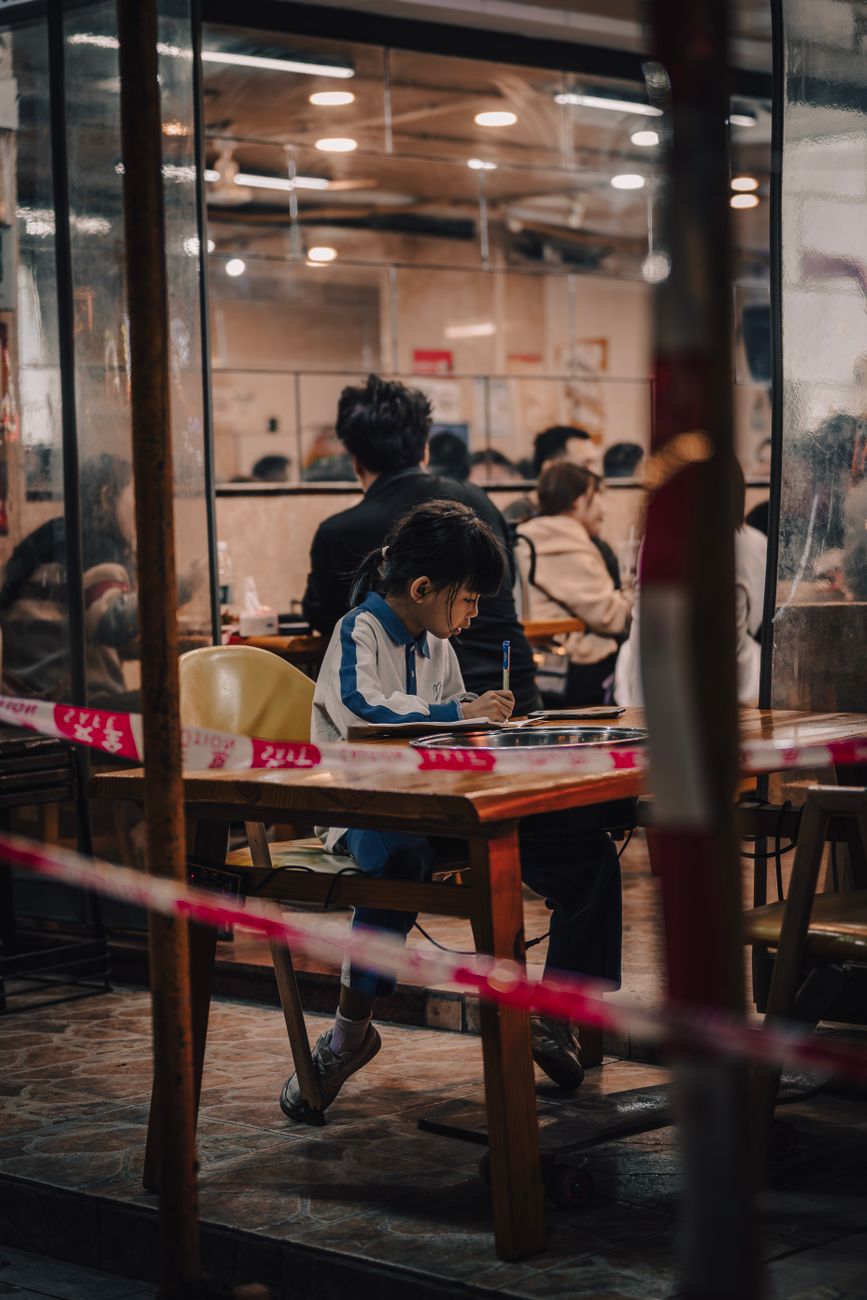
I watched my nephew write the other day. His hand moved in jerks, stopping, lifting, repositioning. Every letter was a separate battle. He was writing cursive, but his pen left the paper more than it touched it. This isn't his fault — it's the system's. Modern cursive instruction has turned a fluid process into a stop-and-go nightmare. Backtrack-free cursive aims to fix that.
The Problem with Pen-Lifting
Most people think cursive is about connecting letters. But the real magic happens when you don't lift the pen. Every time you lift, you lose momentum. You have to re-find your spot. You break the flow. Backtrack-free cursive eliminates unnecessary lifts by only moving forward — no backtracking over strokes. The result? Faster writing, less fatigue, and better legibility.
I've seen kids put a death grip on their pencils, trying to control every loop. That tension is the enemy. The fluidity of cursive is supposed to relax the hand, not lock it up. By removing backtracks, you also remove the cognitive load of deciding where to go next. Your hand knows the path: it's always moving forward.
“The pen should never move backward. If it does, you're doing it wrong — or you were taught wrong.” — Michael Pull, handwriting researcher
Why Schools Got It Wrong
Back in the 1950s, cursive was taught with strict forms. The Palmer method. The Zaner-Bloser method. Both emphasized perfect loops and slant. But they also taught a lot of backtracking — especially in letters like 'b', 'f', and 'k'. These letters require you to go up, then back down, then up again. That's three strokes for one letter. Backtrack-free cursive simplifies them into a single continuous line.
In the 80s, D'Nealian handwriting tried to bridge print and cursive, but it made things worse. It introduced more lifts, not fewer. Kids got confused. Handwriting scores dropped. By the 2000s, many schools stopped teaching cursive altogether. The Common Core standards don't even mention it. But that's a mistake: the brain benefits of cursive — improved fine motor skills, memory retention, and reading fluency — are well-documented. The issue isn't cursive itself; it's how we teach it.
The Mechanics of Flow
Let's get specific. In standard cursive, the lowercase 'r' is a mess: up, over, back down, then a little tail. Backtrack-free cursive writes 'r' as a smooth curve that never reverses. Same for 's' — no more of that weird double-loop. The letters 'e' and 'l' become simpler. The key is that every stroke ends where the next begins. No wasted motion.
I've been practicing this for a month. My handwriting speed increased by about 20%. More importantly, my hand doesn't cramp after writing for 20 minutes. The difference is palpable. You can feel the rhythm — like a drumbeat in your fingers. It's meditative. No wonder people say cursive is calming.
But there's a trade-off. Backtrack-free cursive looks different. It's less ornate. Some letters don't have the classic loops. People might say it's not 'real cursive'. To them I say: the purpose of writing is communication, not calligraphy. If you can read it and it's faster, it's better.
The Data Doesn't Lie
A 2019 study in the Journal of Educational Psychology found that students who wrote in cursive performed better on essay exams than those who printed. They wrote more words per minute and had better idea flow. But the study didn't control for backtracking. I suspect the results would be even stronger with backtrack-free.
Another study from the University of Washington showed that cursive writing activates more brain regions than typing. But only when the writing is fluent. When you're struggling to form letters, the brain is distracted. Backtrack-free eliminates that struggle.
In a world of keyboards, cursive might seem like a relic. But there are moments — a handwritten note, a signature, a journal entry — where speed matters. And your brain benefits even when you don't notice. The act of forming letters by hand is cognitively richer than tapping keys.
How to Start
You don't need a special workbook. Just start writing any word — say, 'minimum' — and notice where your pen backtracks. Then write it again without the backtracks. It'll feel weird at first, but that's okay. Your brain is rewiring. Focus on keeping the pen on paper. Let the letters flow into each other. If you have to lift, you're doing something wrong.
For teachers: introduce backtrack-free cursive after kids have mastered basic print. Around third grade. Don't grade them on loop perfection. Grade them on speed and legibility. Let them create their own style. The goal is automaticity — writing without thinking about it.
The Verdict
Backtrack-free cursive isn't just a technique; it's a philosophy. It says: writing should be as effortless as thinking. Every lift is a break in thought. Every backtrack is a stutter. We deserve better. So pick up a pen. Write a sentence without lifting. Feel the difference. Then tell me cursive is dead.