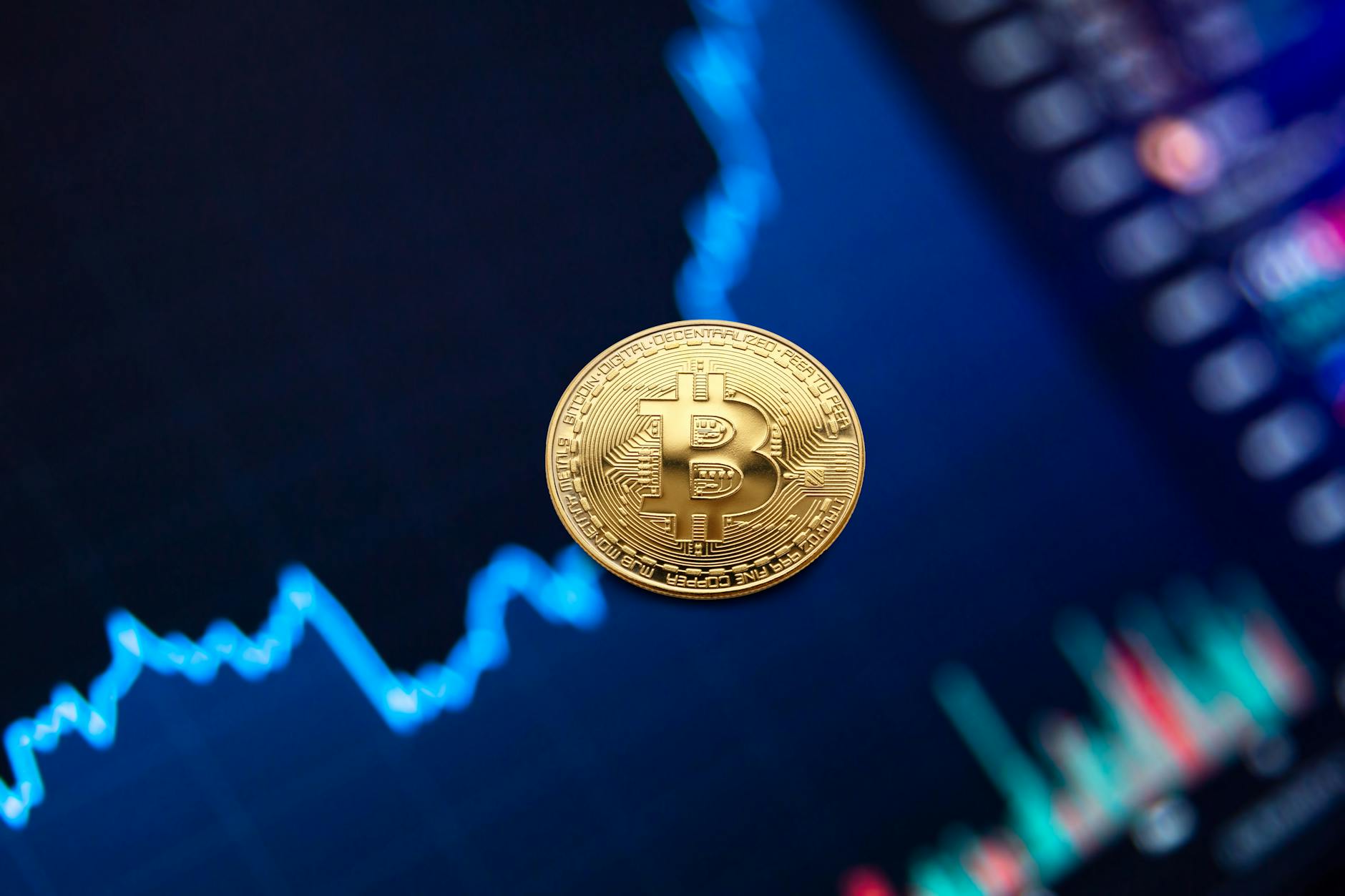
Bitcoin just took another hit. The world's biggest cryptocurrency slid under $60,000 for the first time since October 2024, touching a low of $58,200 before bouncing slightly. This isn't a blip—it's the eighth month of a grinding bear market, and there's no end in sight.
The trigger? Tech stocks got hammered again. The Nasdaq Composite fell 2.3% on Wednesday, dragging risk assets down with it. Bitcoin, which has increasingly traded like a high-beta tech stock, followed suit. Correlation between BTC and the Nasdaq hit 0.72 this week, according to data from CoinMetrics—meaning they're moving almost in lockstep.
The Numbers Tell a Grim Story
Bitcoin is now down 42% from its all-time high of $103,000 set in November 2024. The market cap of all cryptocurrencies has shrunk below $1.5 trillion, shedding over a trillion dollars in value since the peak. Trading volumes are drying up—daily spot volumes on major exchanges have fallen to $15 billion, half of what they were six months ago.
Institutional money is fleeing. The Grayscale Bitcoin Trust (GBTC), once a bellwether for institutional demand, is trading at a 12% discount to net asset value. That means investors are willing to pay less for Bitcoin through a fund than on the open market—a sign of deep pessimism.
Why This Feels Different
We've seen Bitcoin crashes before. In 2018, it fell from $19,000 to $3,000—an 84% wipeout. In 2022, it dropped from $68,000 to $16,000. Each time, the narrative was different: China bans, exchange hacks, regulatory FUD. This time, the enemy is broader.
“The liquidity tide has gone out. Bitcoin is no longer a hedge against anything—it's a risk-on asset that gets sold when the macro environment turns sour,” said Mark Connors, head of research at digital asset manager 3iQ.
Rising interest rates are the culprit. The Federal Reserve has held rates at 5.5% for over a year, and there's no sign of cuts. Real yields on 10-year Treasuries are at 2.1%, offering a safe return that eats into Bitcoin's appeal. Why hold a volatile asset with no yield when you can get 5% in a money market fund?
The Mining Crisis Nobody's Talking About
Underneath the price action, Bitcoin's fundamental backbone is cracking. The mining hash rate has dropped 15% from its peak in March 2025, as miners struggle with razor-thin margins. The cost to mine one Bitcoin is now around $45,000, according to data from MacroMicro. With prices at $60,000, that leaves a 25% margin—but for older machines running on expensive power, it's a loss.
Publicly traded miners like Marathon Digital and Riot Platforms have seen their stocks fall over 60% from highs. Some are selling their Bitcoin reserves to stay afloat—a vicious cycle that adds selling pressure. In June alone, miners sent over 12,000 BTC to exchanges, the highest monthly outflow since the 2022 bear market.
What Comes Next?
The bulls point to Bitcoin's history of bouncing back. Halving cycles, ETF inflows, and global adoption are on their side. But halving is 15 months away, ETF inflows have turned negative, and adoption is stalling—El Salvador's experiment is a footnote, not a beacon.
The technical picture is ugly. Bitcoin broke below its 200-day moving average weeks ago and hasn't looked back. The next major support level is $50,000, a psychological barrier that, if broken, could trigger a cascade of stop-loss orders and forced liquidations.
Some analysts see a silver lining. “We're reaching the point where valuation starts to matter,” said David Mercer, CEO of cryptocurrency exchange LMAX. “At $60,000, Bitcoin is trading at roughly 1.5 times its estimated production cost. Historically, that's been a bottom zone.”
But history is a cruel teacher in crypto markets. The so-called bottom zone in 2018 turned out to be a floor that fell through. In 2022, $20,000 was supposed to be a floor—Bitcoin dropped to $16,000 anyway.
The Verdict
Bitcoin at $60,000 is not cheap. It's not a bargain. It's an asset caught in a macro vice, with no catalyst on the horizon. The narrative that Bitcoin is digital gold is dead—at least for now. It's a risk asset, and risk assets are getting crushed.
If you're holding, you're betting on a macro pivot that may never come. If you're buying the dip, ask yourself: what's the catalyst? ETFs? Already priced in. Halving? Too far away. Institutional adoption? They're selling, not buying.
The worst part? There's no sign of panic. That's what scares me. In past bear markets, you'd see capitulation—a washout that clears the decks. This time, it's a slow bleed, with traders hoping for a bounce that doesn't come. That kind of death spiral can grind on for months.
Bitcoin doesn't care about your cost basis. It doesn't care about your hopes. It only cares about the next trade. Right now, that trade is lower.