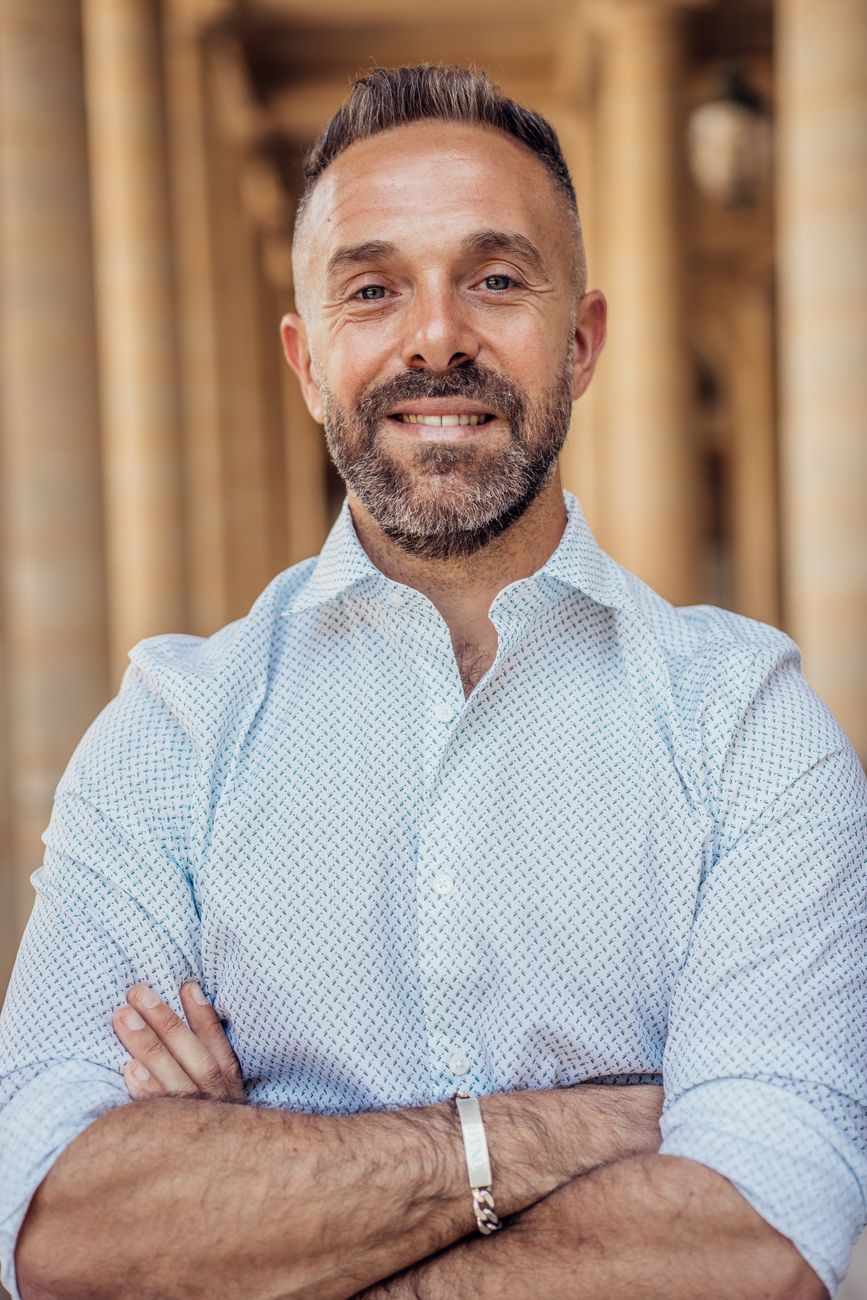
Jason Arday was supposed to be the future of Cambridge. A young, charismatic sociologist, he'd climbed to the top of the academic heap, made history as one of the youngest professors in the university's storied history, and become a poster child for diversity in the ivory tower. His TED talks drew crowds. His Instagram feed was a masterclass in inspirational posting. But on Thursday, the fairy tale came crashing down. Arday resigned, effective immediately, amid a fresh investigation into plagiarism allegations that have been dogging him for months.
Let me be blunt: this isn't just one guy's career going up in flames. It's a referendum on how we crown intellectual celebrities — and whether we're so eager to anoint heroes that we forget to check the fine print.
The Man Who Had Everything
Arday wasn't just any professor. He was a phenomenon. Born to a working-class family in London, he'd overcome poverty and a late diagnosis of autism to earn a PhD and, in 2021, a professorship at the University of Glasgow. By 2023, he'd landed at Cambridge's Faculty of Education, where his research on race, inequality, and social justice made him a darling of the left-leaning academic establishment. He was featured on BBC panels, quoted in think pieces, and lauded as proof that the academy could be a place for everyone.
But cracks appeared early. In 2024, an anonymous blog post accused him of lifting passages from other scholars without proper attribution. The university launched a preliminary review. Arday denied the allegations, calling them "mischief-making" and "a smear campaign." His supporters rallied. His reputation seemed intact.
Then, in early 2026, a more detailed dossier surfaced, comparing his published papers with sources line by line. The similarities were striking — whole paragraphs nearly verbatim, with only minor word swaps. The new investigation that followed was the last straw. Now he's gone, leaving a pile of unanswered questions in his wake.
What Did He Know, and When Did He Know It?
The timeline is suspicious. Arday resigned just days after Cambridge announced a formal inquiry into his work. If he was innocent, why not stay and fight? The official statement from the university is characteristically vague: "Professor Arday has resigned for personal reasons. We thank him for his contributions and wish him well." Please. That's PR-speak for "we're not saying anything until the lawyers get involved."
And what about his earlier denials? If the new evidence is as damning as the whispers suggest, then Arday wasn't just a plagiarist — he was a liar. That's a whole different level of betrayal.
Academia's Accountability Problem
Here's the uncomfortable truth: Arday isn't an anomaly. He's a symptom. The academic world is obsessed with metrics — publications, citations, grants, awards — and that pressure cooks people. When your career depends on churning out "impactful" research, the temptation to cut corners becomes almost irresistible. And if you're a celebrated figure, the checks get even looser. Who wants to accuse a beloved pioneer of wrongdoing? That's career suicide for the whistleblower.
The Arday case joins a growing list of high-profile plagiarism scandals that have rocked universities in recent years. Last year, a Harvard business professor resigned after similar allegations. The year before, a Stanford president stepped down over manipulated data. The pattern is always the same: star rises fast, someone raises concerns, the institution circles the wagons, and only when the evidence becomes undeniable does the whole house of cards collapse.
But the damage doesn't end with the individual. Every scandal erodes public trust in higher education. When people see professors getting away with theft, they start asking: What else is fake? Is anyone actually doing the work? And that's a dangerous question for an industry that depends on credibility.
The Diversity Trap
Now, let's talk about the elephant in the room. Arday's identity made him untouchable. He was a Black, working-class, autistic scholar — a triple-crown of intersectionality. Any criticism of him was immediately framed as an attack on diversity. "You're just jealous," his defenders would say. "You can't handle a Black man succeeding." This dynamic didn't just protect him; it enabled him. If Arday had been a white man from Oxbridge, he'd have been torn apart months ago.
I'm not saying Arday was a fraud — that's for the investigation to determine. But I am saying that our desire to see representation in academia has created a blind spot. We're so desperate for heroes who look like the real world that we forget to check if they're real. That's not progress; that's performance.
What Happens Next?
Arday's resignation doesn't close the book. Cambridge has a moral obligation to publish the findings of its investigation. If they find evidence of plagiarism, they need to say so — publicly and clearly. They also need to examine any papers he co-authored or supervised. Did his students also cut corners? Did his collaborators know? And what about the institutions that hired him? Did anyone at Cambridge actually read his work before offering him a professorship? Or were they just thrilled to have a diversity superstar on the masthead?
These questions matter because the academic enterprise is built on trust. When you read a paper, you assume the author did the work. When you cite a source, you assume it's legit. If that trust is broken, the whole system teeters. And right now, the system is wobbling.
As for Arday, he'll probably land on his feet. He has a book deal, a social media following, and a network of supporters who will likely see him as the victim of a witch hunt. Maybe he'll reinvent himself as a commentator on "cancel culture." Stranger things have happened.
But for the rest of us, the lesson is clear: we need to stop building pedestals and start building institutions that actually check their heroes' homework. Because in the end, talent isn't enough. Integrity matters. And without it, even the brightest star fizzles out.