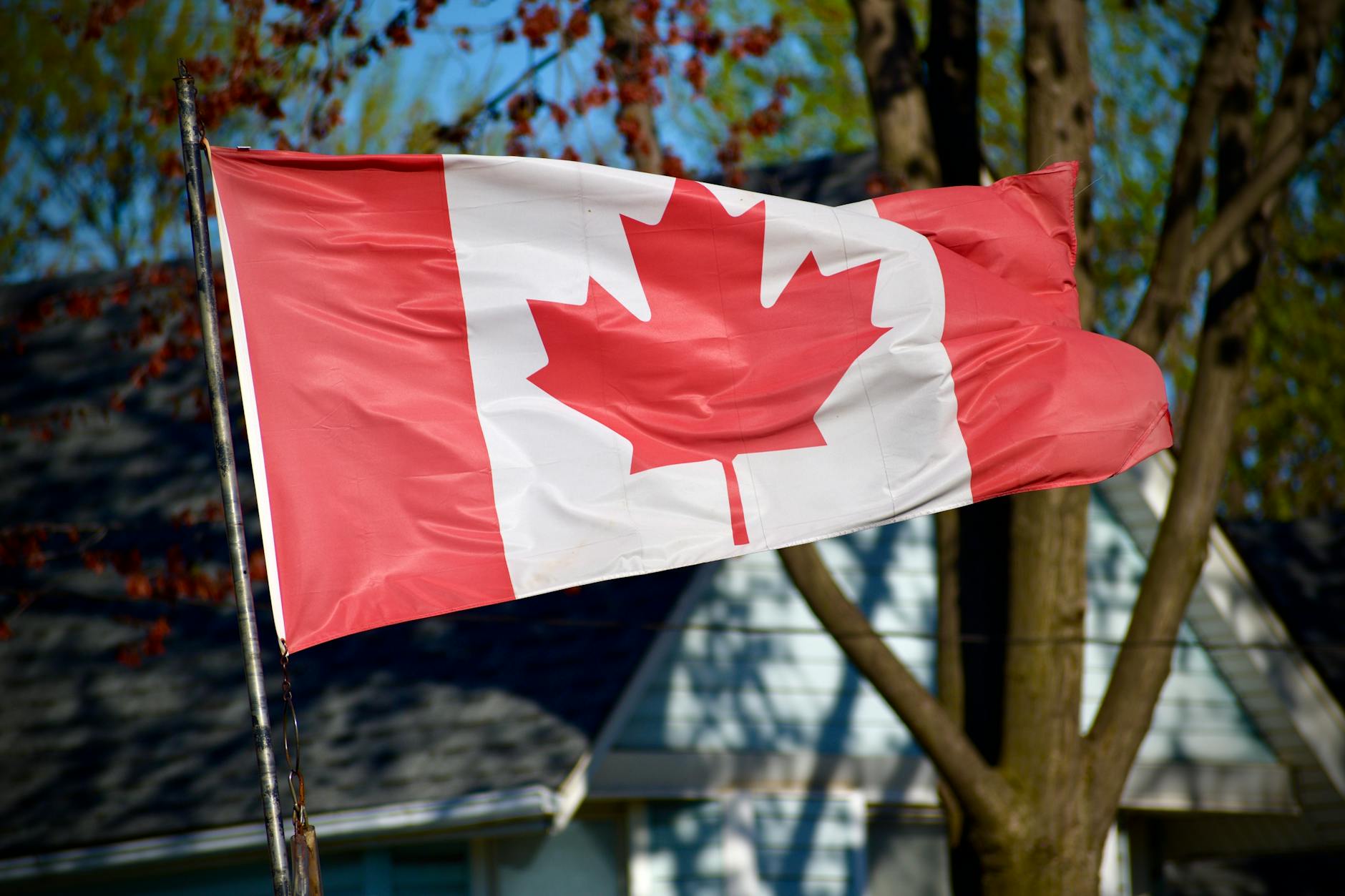
Somebody forgot to tell the Canadians the U.S. housing market is supposed to be in a deep freeze.
While the rest of the world’s buyers have largely fled, our northern neighbors are quietly, methodically, snapping up American homes like they’re on sale. Which, in many cases, they are.
The latest data from the National Association of Realtors (NAR) shows international buyers bought just 67,000 existing homes in the U.S. over the 12 months ending in March — a near-record low, down 36% from the previous year. But dig into the numbers, and one country stands out like a sore thumb: Canada.
Canadians bought 13% of all international-purchased homes, representing the largest share of any foreign nation. That’s more than China, more than Mexico, and more than India combined in terms of spending power. In dollar terms, Canadian buyers shelled out $4.2 billion on U.S. properties. That’s a 12% jump from the year before, in a market where everyone else is running for the exits.
Why the sudden influx?
The reasons are as cold and hard as a Canadian winter. First, the Canadian dollar has gained about 8% against the greenback over the past year — meaning suddenly, a $500,000 condo in Florida costs a lot less in loonies. Second, Canada’s own housing market is still overheated, with prices in Vancouver and Toronto up 15% year-over-year. For a Canadian with equity, buying in the U.S. looks like a bargain.
“It’s simple math,” says Toronto real estate agent Mark Spencer, who has seen a surge in clients looking south. “My clients are selling a bungalow in Mississauga for $1.8 million Canadian and buying a three-bedroom condo in Naples, Florida for $600,000 US. They pocket the difference and retire early.”
But there’s more than just math at play. Canada’s strict mortgage stress tests and rising interest rates have made it harder for locals to buy multiple properties. The U.S., with its looser lending rules for foreign nationals, becomes an attractive alternative. And let’s face it: Florida in January beats Quebec in January any day.
The rest of the world is staying home
While Canadians are loading up on U.S. property, the rest of the world is sitting on its hands. The NAR report paints a bleak picture for global home buying. Chinese buyers, once the dominant force, have all but vanished. Their share dropped to just 8% of international purchases, down from 16% five years ago. Capital controls and a slowing Chinese economy are the culprits.
Mexican buyers, who typically focus on border states like Texas and California, are also pulling back. Stricter U.S. visa policies and a stronger peso have made U.S. homes less enticing. European buyers, still reeling from a weak euro and political uncertainty, are barely in the game.
The result? Total international sales fell to $42 billion — the lowest since 2009, adjusted for inflation. That’s a 40% drop from the peak in 2017.
“The global picture is grim,” says Lawrence Yun, NAR’s chief economist. “High home prices, a strong dollar, and economic uncertainty have all conspired to keep foreign buyers away. Except for Canadians.”
“The Canadian buyer is a unique beast. They’re not just investors — they’re snowbirds, they’re retirees, they’re parents buying for kids at U.S. universities. They have a cultural affinity for the U.S. that other buyers don’t.”
Where are they buying?
Canadians are creatures of habit. Their top destinations are familiar: Florida, Arizona, California, and Texas. Warm weather states account for 80% of Canadian purchases. Florida alone snagged 40% of the Canadian market. The Gulf Coast from Naples to Sarasota is practically a Canadian colony.
But there’s a new frontier: the U.S. Northeast. Canadian buyers are increasingly eyeing Maine, New Hampshire, and Vermont for vacation homes. The region’s natural beauty and proximity to the border make it an easy commute. A Redfin analysis shows searches by Canadians for homes in Portland, Maine, are up 25% year-over-year.
“Gas is cheaper, healthcare is cheaper, and the exchange rate is favorable,” says Montreal resident Julie Tremblay, who just closed on a lake house in Vermont. “I can drive there in three hours. It’s a no-brainer.”
What this means for American buyers
For U.S. buyers already struggling with high prices and low inventory, the Canadian influx is a mixed bag. On one hand, Canadian buyers are mostly cash-rich — they’re not competing for starter homes. They’re targeting vacation properties and luxury condos, not the three-bedroom ranch in the suburbs.
But in hotspots like Miami, Scottsdale, and Austin, Canadian demand is pushing prices higher. A 2025 study by the University of Florida found that Canadian purchases accounted for a 5% increase in home prices in certain Florida counties over two years. That’s real money for local buyers.
“It’s frustrating,” says Austin realtor Maria Gonzalez. “We have young couples getting outbid by Canadian retirees paying cash. They don’t even need mortgages.”
Still, the overall impact is muted. International buyers represent less than 2% of total U.S. home sales. The bigger story is the near-collapse of foreign buying overall, which underscores just how unaffordable and uninviting the U.S. market has become.
The verdict
Canadians are filling a void left by other foreign buyers, but they’re not the saviors of the U.S. housing market. They’re a niche force, concentrated in a few markets, and driven by a unique set of circumstances that could change overnight.
If the Canadian dollar weakens, or if Canada’s housing bubble finally bursts, the flow could slow to a trickle. For now, though, the message is clear: if you’re selling a condo in Naples, put a “Bienvenue” sign in the yard.