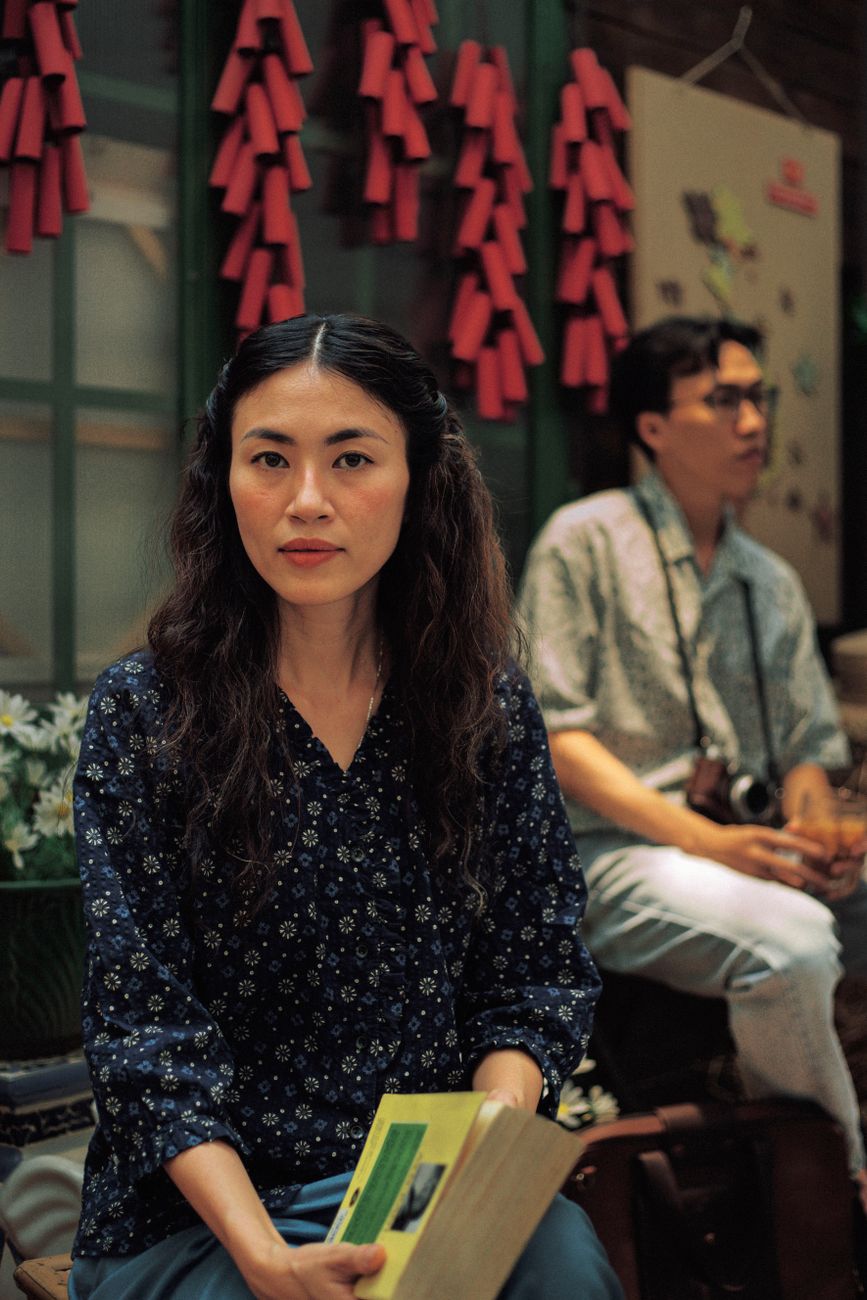
The first thing you notice is the silence. Not the sterile quiet of a hospital corridor or the hushed reverence of a courtroom, but something heavier. It hangs in the air like incense. On Chicago's northwest side, behind an unassuming brick facade, a dozen men and women sit in a circle, thumbing through Arabic texts older than their professions. They are doctors. Lawyers. Engineers. They've spent years mastering the language of scalpels, statutes, and spreadsheets. Now they're here to learn a different tongue—the language of revelation.
This is Darul Qasim, an Islamic institute that has quietly become a magnet for professionals who've climbed the ladder, looked around, and asked: "Is this it?" The answer, for a growing number of them, is no. And they're doing something about it.
The Midlife Crisis Nobody Talks About
You've heard of the Porsche. The affair. The sudden urge to climb Kilimanjaro. But what about the urge to sit in a classroom and parse the syntax of a 1,400-year-old Arabic sentence? That's the midlife crisis unfolding at Darul Qasim, and it's not about escaping life—it's about finding it.
Take Dr. Ayesha Rahman, a 45-year-old anesthesiologist who still works full-time at a hospital downtown. On weekends, she drives 40 minutes to sit in a windowless room and wrestle with Islamic jurisprudence. "My colleagues think I'm insane," she told me over coffee, her voice carrying the exhausted cadence of someone who's been up since 4 AM. "But when I'm in the OR, I'm solving puzzles. Here, I'm solving myself."
She's not alone. The institute's enrollment has tripled in five years, and the demographic skews anything but typical. The median age is 38. Over 60% hold advanced degrees. These aren't students dodging the job market—they're people who've already conquered it, only to find the conquest hollow.
"We're not teaching people to be better Muslims. We're teaching them to be better humans." — Imam Qasim, founder
Sacred Knowledge vs. Secular Success
The phrase "sacred knowledge" gets thrown around a lot in religious circles, often with a smugness that makes secular ears bristle. But at Darul Qasim, it's less about piety and more about perspective. The curriculum isn't just theology—it's logic, ethics, history, and even Arabic grammar that would make a linguist weep with joy.
"The secular world teaches you how to do things," says Imam Qasim, the institute's founder, a soft-spoken man with a graying beard and eyes that seem to have seen too much. "We teach you why."
That why is what draws people like Omar Hassan, a former corporate attorney who traded a six-figure salary for a teaching stipend that barely covers his rent. He's been at Darul Qasim for two years now, and he doesn't regret a cent of the pay cut. "In law, you're trained to argue. Here, I'm learning to listen. That's a skill no law school ever taught me."
The contrast is stark. In a city where success is measured in billable hours and surgical outcomes, these students are measuring something else entirely—how to live a life that feels coherent. It's not anti-modernity, exactly. It's more like a corrective.
The Classroom Is the World
What makes Darul Qasim unique isn't just what's taught, but how. There are no grades, no exams, no certificates. The only requirement is sincerity. Students commit to a multi-year curriculum that blends classical texts with contemporary issues—bioethics, economic justice, environmental stewardship. They don't just study the past; they bring the present into the room.
Take the weekly session on Islamic finance. The students aren't just discussing what's halal and haram; they're debating the ethics of cryptocurrency, the morality of interest-bearing loans, the soul-crushing weight of student debt. These are people who've signed mortgages, invested in 401(k)s, and watched their savings evaporate in market crashes. They're not here for abstract theorizing. They want answers that hold up when the alarms go off.
And the method? It's as old as scholarship itself. A teacher sits at the center, students arranged in a semicircle, and the text—whether it's a hadith or a commentary on Aristotle—is dissected line by line. Questions are encouraged, even demanded. "In my field," says Dr. Rahman, "you question everything. We're trained to be skeptical. Here, that skepticism is welcomed, not punished."
What the Skeptics Miss
Critics might call this a retreat into dogma. A way to bury one's head in the sand while the world burns. But that reading misses the point entirely. These aren't people fleeing reality; they're people who've spent decades neck-deep in it—and found it wanting. They're not looking for easy answers. They're looking for a framework that can hold the hard questions.
"The most dangerous thing in the world," Imam Qasim says, "is a smart person with a shallow soul."
That's the real story here. Not a religious revival, but a reckoning. A generation of strivers, raised on the gospel of productivity, realizing that the ladder they've been climbing is leaning against the wrong wall. They're not abandoning their careers or their communities. They're bringing something new back to them.
The Takeaway
So what does this mean for the rest of us—the ones who'll never set foot in a madrasa and couldn't read a single line of Arabic if our lives depended on it? It's this: the hunger for meaning isn't confined to the young or the desperate. It's a lifelong itch, and it doesn't care about your resume.
You don't have to go to Chicago or study Islamic law to scratch it. But you do have to ask the question these students are asking: what am I actually building? A career? A legacy? Or a life?
Darul Qasim is just one answer. But it's a reminder that the classroom never really closes. The door's always open—if you're willing to walk through.