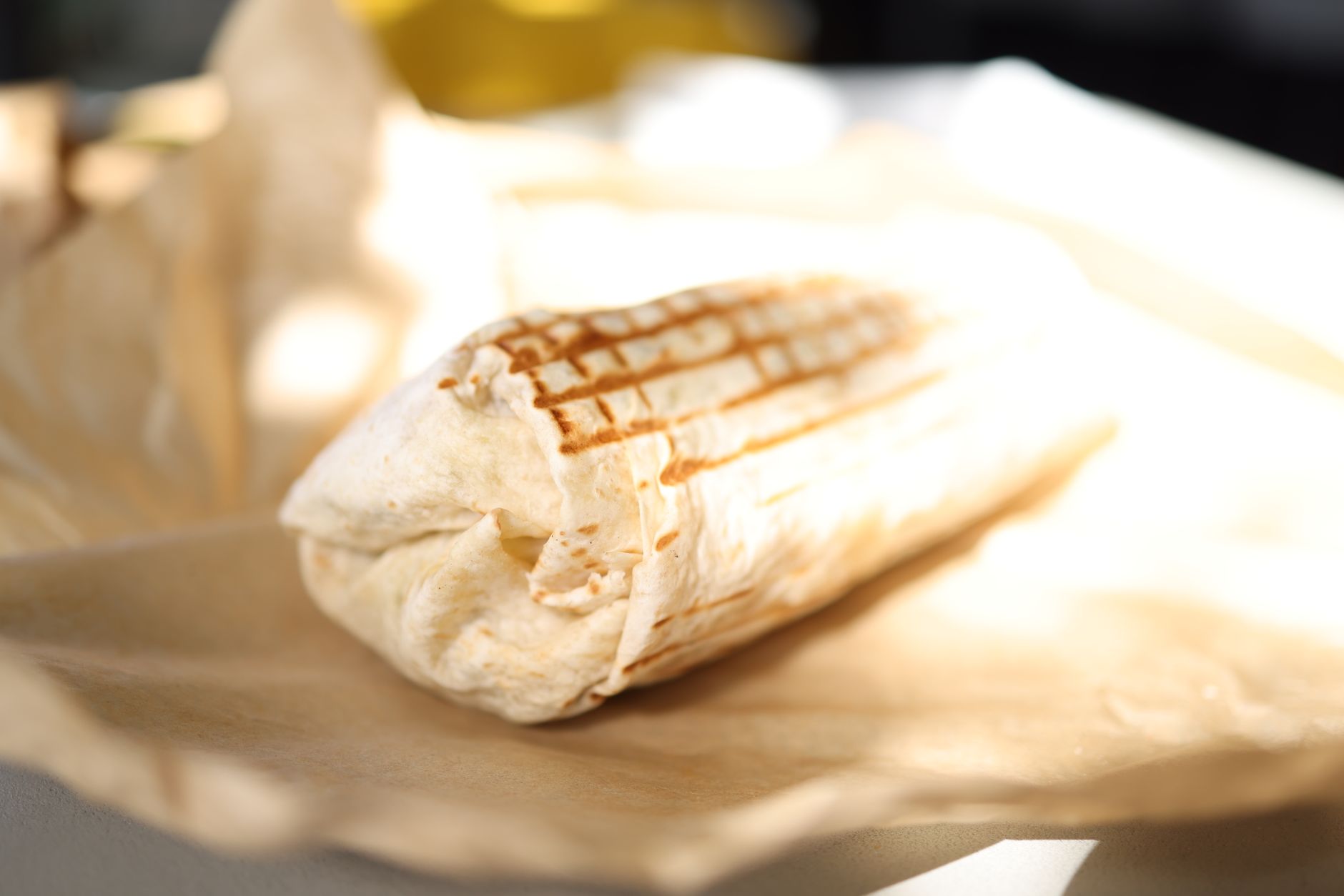
Chipotle's got guts. Or maybe just really good guacamole.
The Mexican fast-casual chain raised its full-year sales forecast Wednesday, even as it admitted that a lettuce-linked E. coli outbreak has sent some customers running for the hills. In the same breath, executives said same-store sales are still expected to grow in the mid- to high-single digits for 2026. That's optimism you don't see every day — especially when your core ingredient is suddenly a biohazard.
Let's be clear: Chipotle isn't immune to the lettuce problem. The company acknowledged 'softening' traffic in the second half of July, right after the CDC linked a multi-state outbreak of E. coli to romaine lettuce — the very stuff Chipotle piles onto its burritos and bowls. Shares dipped 2% on the news, but the long-term story remains intact. Investors are buying the burrito, not the salad.
The lettuce problem isn't new — but this time feels different
Chipotle has been here before. Remember 2015? That was the year the chain got hammered by E. coli, norovirus, and salmonella outbreaks, all within months. Shares plummeted 40%. Customers fled. The company spent years and millions trying to win back trust. They overhauled food safety protocols, centralized prep, and started testing ingredients like they were at a CDC lab.
So when the CDC announced last week that romaine lettuce from Salinas Valley was linked to 45 cases of E. coli across 12 states, Chipotle's crisis team went into overdrive. The chain immediately pulled romaine from all 3,200 locations — faster than you can say 'hold the lettuce.' No deaths reported, but 12 hospitalizations. Chipotle pivoted to green leaf lettuce, and told suppliers to step up.
But here's the thing: when you've built your brand on 'fresh,' a lettuce scare cuts deeper. Customers don't just skip the salad — they start questioning the whole operation. Is the chicken safe? The rice? The guac? Chipotle's traffic numbers show that hesitation. The company says sales for July are tracking up about 4% — but the second half is clearly weaker than the first.
'We saw a noticeable dip in transactions starting July 15,' CFO Adam Rymer said on the earnings call. 'We're confident it's temporary, but we're not taking any chances.'
Why raise the forecast when traffic is softening?
That's the million-dollar question. And the answer is: because Chipotle is playing the long game, and the first half of the year was a beast.
Same-store sales surged 8.7% in the second quarter — that's well above the 6.5% analysts were expecting. Digital sales hit 42% of total revenue, driven by the loyalty program and a new app feature that lets you skip the line. Average check sizes are up, too, thanks to higher menu prices and customers adding guac and queso like there's no tomorrow.
Chipotle's guidance now calls for full-year same-store sales growth of 6% to 8%, up from the previous 5% to 7%. That's a vote of confidence that the lettuce blip won't turn into a full-blown crisis. The company is betting that its brand loyalty — built over the past decade through relentless consistency and a cult-like following — will carry it through.
And let's not forget: Chipotle has pricing power. In an era of inflation fatigue, people are still willing to pay $12 for a burrito bowl. That's rare.
The competition is circling — but they're not Chipotle
You might think this is the moment for rivals like Qdoba or Moe's to swoop in. But here's the thing: Chipotle's biggest competitor is itself. Qdoba has tried for years to steal share, but they can't match Chipotle's supply chain or its brand equity. Moe's is a distant third. And the new wave of fast-casual Mexican chains — like Cava's cousin — haven't cracked the code either.
What Chipotle has is a fortress. They control the entire supply chain, from farm to foil. They can pull romaine from every store in 24 hours. They can switch to green leaf without missing a beat. That kind of agility is expensive, but it's also why they'll survive this outbreak without the scars of 2015.
Wall Street seems to agree. Analysts at Bank of America called the lettuce issue a 'manageable headwind.' JPMorgan said the raised guidance 'signals management's confidence in the underlying momentum.' The stock is still up 18% year-to-date.
What the lettuce outbreak teaches us about Chipotle's future
If you're a Chipotle shareholder, the lettuce scare is a reminder that food safety is never a one-and-done fix. It's a constant war. The company spends more than $50 million a year on safety protocols, testing, and training. That's the cost of doing business when your menu is built on fresh produce.
But it's also a reminder that Chipotle has learned from its past. In 2015, the company was slow to respond. Executives gave vague statements. The outbreak dragged on. This time, they yanked the lettuce before the CDC even issued a formal recall. They communicated with customers through app push notifications and in-store signage. They didn't wait.
That speed matters. Customers may be spooked for a few weeks, but they'll come back. History shows it: after the 2015 crisis, Chipotle's sales eventually recovered and then some. The key is not to panic — and not to cut corners.
'We're not going to sacrifice food safety for a few extra transactions,' CEO Brian Niccol said. 'That's the lesson we learned the hard way, and we're not unlearning it.'
The verdict: Bet on the burrito
Here's my take: Chipotle is going to be fine. The lettuce outbreak will dent Q3 traffic, no question. But the raised forecast shows that management sees the rest of the year as strong enough to absorb the hit. The loyalty program is sticky, the digital business is booming, and the brand is bulletproof among millennials and Gen Z.
If you're looking for a reason to sell, you won't find it here. The lettuce scare is a speed bump, not a roadblock. Chipotle's supply chain is a fortress, its margins are fat, and its customers are hooked. That's a recipe for growth — even when the lettuce is trying to kill you.