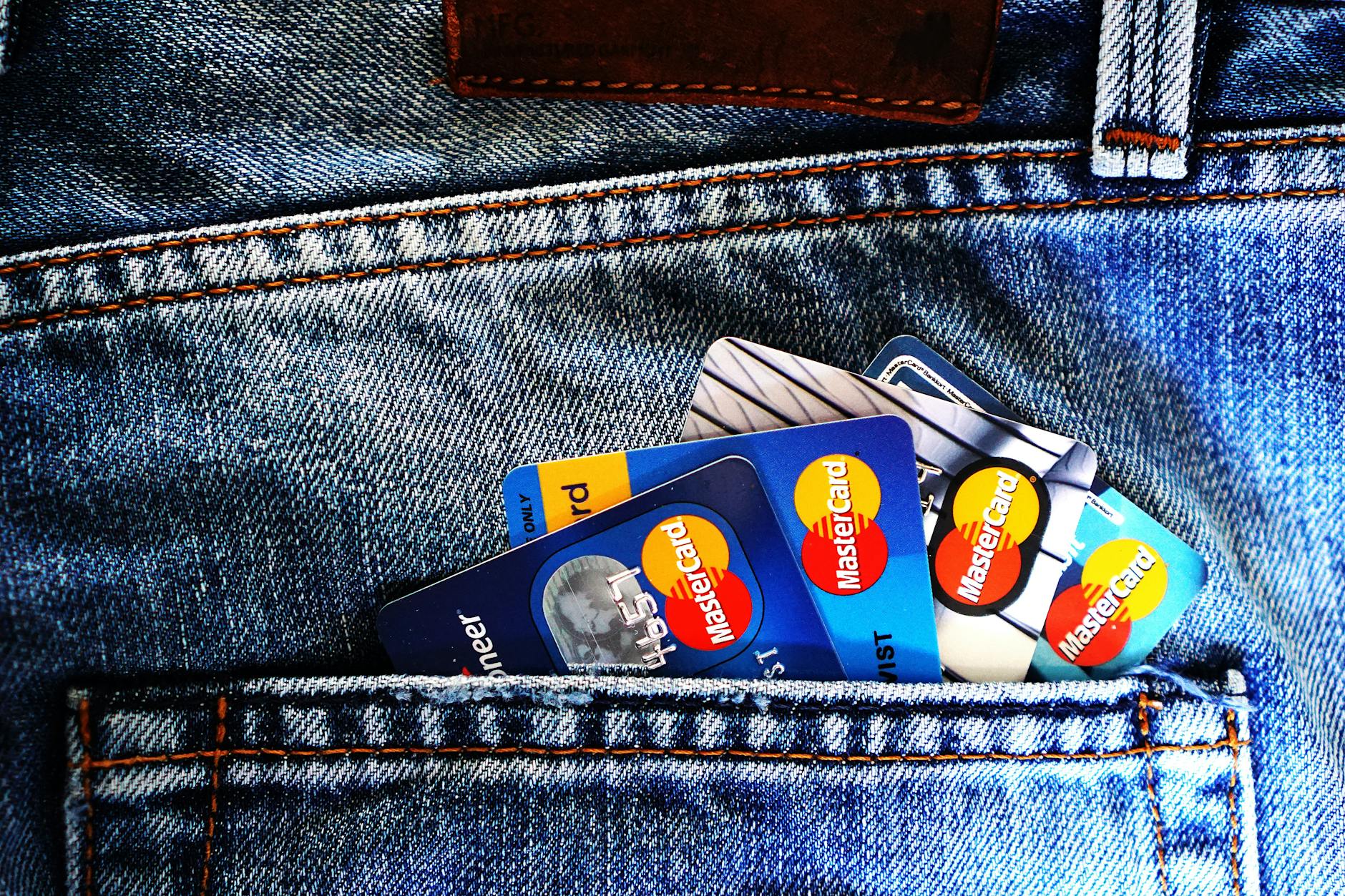
The first time your AI assistant buys something without you—no click, no swipe, just a quiet whisper between bots—credit cards might feel like fossils. But don't bury them yet. Mastercard's CEO says plastic will outlast the bots.
“Credit cards will not just survive—they’ll prevail,” Michael Miebach told me in a rare, direct conversation about what he calls ‘agentic commerce.’ That’s the term for when AI agents, not humans, make purchasing decisions. Think your phone ordering groceries, your car booking a tire change, your thermostat buying a new filter. All without you lifting a finger.
It sounds like a sci-fi novella. It’s happening now.
What the hell is agentic commerce?
Agentic commerce is the next logical step in e-commerce. First we had physical stores. Then websites. Then apps. Then one-click ordering. Now we have machines that click for us.
Amazon’s Alexa can already reorder paper towels. Google’s Gemini can book a restaurant. But the real shift isn’t voice commands—it’s autonomous purchasing. Your AI agent sees your fridge is low on milk, checks your calendar, finds you’re hosting brunch Saturday, and orders three gallons from the cheapest nearby store. No input from you.
Here’s the scary part for credit card companies: when an AI buys something, it doesn’t have a wallet. It doesn’t swipe. It doesn’t type a CVV. It sends a digital token. And if that token isn’t tied to a Visa or Mastercard network, the whole card industry takes a hit.
“Agentic commerce is inevitable. The question is who gets paid.”
Mastercard’s plan: be the invisible hand
Mastercard isn’t waiting to find out. The company has been quietly building a backend system that allows AI agents to make payments using existing card networks—without the physical card.
Think of it as a digital passport for your credit card. Your AI agent carries a token that represents your Mastercard. When it buys something, the token authenticates the transaction, settles it through Mastercard’s rails, and the merchant gets paid. You never see the card. But Mastercard still gets its cut.
“We’re not in the card business,” Miebach said. “We’re in the network business.”
That’s a crucial distinction. If Mastercard can become the default payment protocol for AI agents, it doesn’t matter whether you use a physical card. The network wins.
But there’s a catch: competitors are circling. PayPal, Stripe, and even blockchain startups are building agent-friendly payment systems. Apple Pay and Google Pay already have tokenization. And China’s Alipay is testing fully autonomous payments. The race is on.
Why credit cards might actually survive
Let’s get real for a second. Credit cards have three things going for them that no AI payment system has replicated: ubiquity, trust, and fraud protection.
Ubiquity: There are 3 billion credit cards in circulation worldwide. Every merchant accepts them. No new infrastructure needed. An AI agent can use a Mastercard token anywhere that accepts cards. That’s a huge moat.
Trust: People are terrified of AI agents spending their money. A 2025 survey by Pew found that 68% of Americans are uncomfortable letting an AI make purchases over $50. Credit cards offer a psychological safety net: you can dispute a charge, freeze your card, or set spending limits. AI agents don’t have feelings. Cards do.
Fraud protection: Card networks have decades of fraud detection algorithms. Mastercard’s AI claims to catch 99.9% of fraud before it hits your statement. An autonomous payment system built from scratch? Not so much.
“The credit card network is the most battle-tested payment infrastructure in history. AI agents can’t build trust overnight.”
The real threat: invisibility
Still, there’s one thing that could kill cards: irrelevance.
If AI agents start using digital wallets that bypass card networks entirely—like direct bank transfers, stablecoins, or merchant-specific credits—Mastercard becomes a toll road nobody drives on.
That’s why Miebach is pushing Mastercard into new territory. The company is investing in ‘agent identity’—a system that lets AI agents prove who they are without human intervention. It’s like a digital driver’s license for bots. If Mastercard can become the identity layer for AI agents, it doesn't just process payments; it authenticates the whole transaction.
“We want to be the credential that the agent presents,” Miebach said.
It’s a smart move. But it’s also risky. Identity is a different game than payments. And regulators are already eyeing AI agents with suspicion. The EU’s AI Act could require human oversight for any autonomous purchase over a certain amount. That would gut agentic commerce before it starts.
What this means for you
If you’re a cardholder, don’t panic. Your Visa and Mastercard aren’t going away tomorrow. But the way you use them will change.
You might start seeing ‘AI-ready’ cards—maybe a separate virtual card number that you give to your assistant. Or spending limits that apply only to agent purchases. Some banks are already testing ‘AI budgets’ that let you cap how much your agents can spend per week.
The bigger shift is psychological. For decades, paying meant pulling out plastic. Soon, it might mean giving your phone permission to pull out plastic for you. That’s a leap of faith.
Miebach thinks consumers will make it. “People trust their credit card company more than they trust a tech platform,” he said. “That trust is our biggest asset.”
Maybe. But trust is easy to lose. A single rogue AI agent that buys a $10,000 TV because of a misheard command could set the industry back years.
The bottom line
Credit cards aren’t dead. But they’re going through a midlife crisis. The world is moving to invisible payments, and plastic is desperate to stay relevant.
Mastercard’s bet is that the network matters more than the card. If it’s right, credit cards will survive by becoming invisible themselves—just a digital ghost in the machine, taking a tiny cut of every transaction.
If it’s wrong? Well, your next AI agent might pay with crypto, or a direct bank transfer, or something we haven’t invented yet. And that $0.50 latte your card paid for? Just a memory.
For now, Miebach is betting the house on plastic. Let’s see if that’s a winning hand.