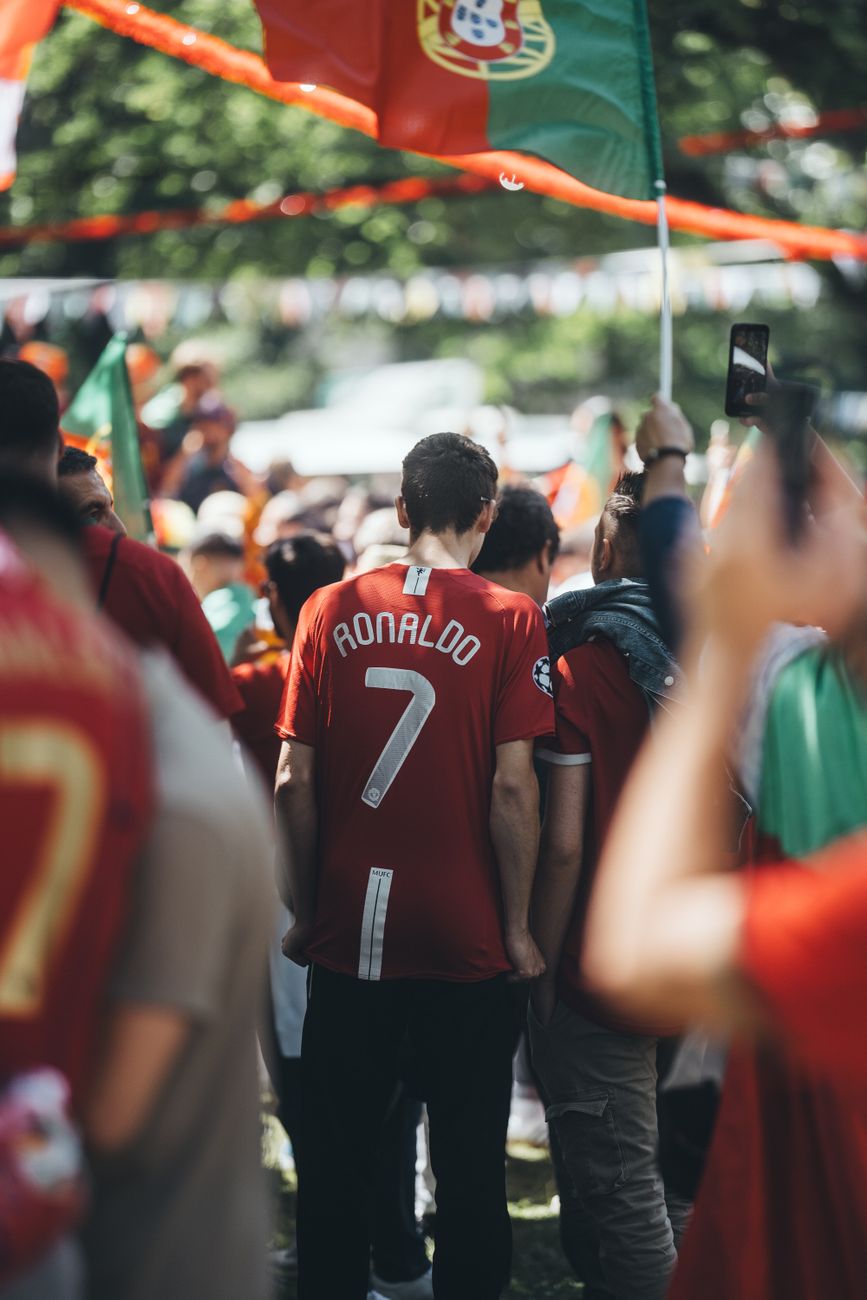
The flight from Lisbon landed at 6:47 p.m. local time. By 9:15, every camera in Qatar's Al Janoub Stadium was trained on one man.
Cristiano Ronaldo didn't start Portugal's World Cup opener. He wasn't supposed to. Coach Fernando Martinez had said all week the 41-year-old would be managed carefully. 'He's not a machine,' Martinez warned. But machines don't score 30 seconds after stepping onto the pitch.
The goal was vintage Ronaldo. A diagonal run, a perfectly timed header, and the ball nestled in the back of the net. The stadium erupted. Not because Portugal had won — they already led Uruguay 2-0 — but because the old lion had roared once more.
The late show that defies logic
Ronaldo came on in the 80th minute. Within 37 seconds, he had his goal. It was his 196th international strike, but this one felt different. This was a man who had been written off, benched, and told his time was up. Yet here he was, stealing headlines at the World Cup.
Martinez smiled in the post-match press conference. 'He wants to prove people wrong. He always has.' The coach paused. 'And he watches Messi. They all watch Messi.'
It was a rare moment of candor. Martinez was referring to the enduring rivalry that has defined a generation. Ronaldo and Messi, now both in their 40s, are still chasing each other. Still pushing. Still scoring.
'People forget these two are competitive beyond reason. They don't stop. They can't stop.' — Portugal coach Fernando Martinez
But Ronaldo's late entry wasn't just about fitness. It was tactical. Martinez wanted fresh legs against a tiring Uruguay defense. But more than that, he wanted a statement. And Ronaldo delivered.
Rivalry that refuses to age
Across the tournament, Messi had already notched two goals and an assist. Ronaldo, coming off the bench, now had one. The numbers were close, but the narrative was clearer than ever: these two refuse to let go.
Martinez admitted the rivalry drives both. 'They text each other. They watch each other's games. They want to be the best, even now.'
It's the kind of talk that would sound like hype if the results didn't back it up. But they do. Ronaldo's goal was his 10th at World Cups, making him the oldest Portuguese scorer in tournament history. Messi, meanwhile, had just broken his own record for most assists in World Cup history.
The numbers are absurd. Combined, they have 14 Ballon d'Ors, 1,500+ club goals, and a rivalry that has produced some of the greatest moments in football. And they're still adding to the tally.
What this means for Portugal
Portugal's win was comfortable. They dominated possession, created chances, and never looked threatened. But the real story was Ronaldo's impact off the bench. It changed the dynamic.
Younger players like João Félix and Rafael Leão had done the hard work, stretching Uruguay's defense and creating space. Ronaldo simply finished the job. 'He doesn't need to run 90 minutes to be effective,' Martinez said. 'He needs to be in the right place at the right time.'
The question now is whether Ronaldo will start the next match. Martinez deflected. 'We have a plan,' he said. 'The plan is to win the World Cup.'
That's the kind of answer that works when you're winning. But if Portugal stumbles, the calls for Ronaldo to start will grow louder. He's too big to ignore. Too dangerous to keep on the bench.
The final act
Ronaldo jogged off the pitch after the final whistle, waving to the crowd. He looked happy. Relaxed, even. This wasn't the angst-ridden Ronaldo of previous tournaments, the one who stormed down tunnels and threw tantrums. This was a man enjoying his last dance.
But don't mistake contentment for complacency. As he passed the media mixed zone, a reporter shouted: 'Will you start the next game?' Ronaldo stopped. Turned. Smiled. 'Ask the coach,' he said. Then he was gone.
The question lingers. Ronaldo arrived late to this World Cup party, but he's already stealing the show. The question is how long he can keep it up. And whether Messi has an answer.