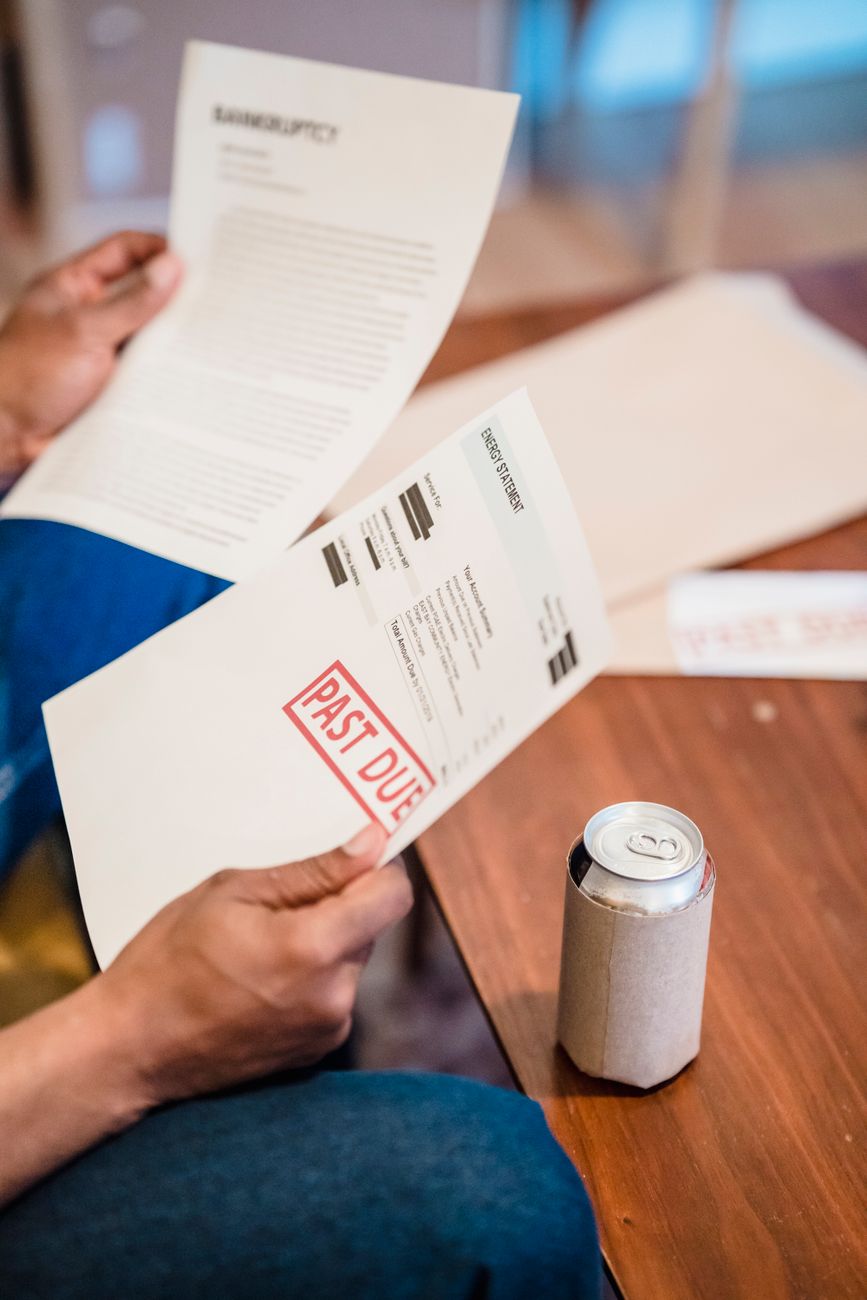
Dish Network just threw in the towel — but only in the ring where the punching got too hard. The satellite TV and Sling TV operator filed for Chapter 11 bankruptcy protection Tuesday, a move that lets it reorganize while keeping its service running. You can still watch the game. But don't expect the company to be a wireless player anytime soon.
The filing, first reported by Reuters, is part of a plan by parent company EchoStar to wind down Dish's wireless operations after what the company called “unforeseen delays” in selling off a massive chunk of 5G spectrum. We're talking $23 billion worth of airwaves — enough to build a nationwide network from scratch. But instead of building, Dish is selling. And the bankruptcy gives it the breathing room to do that on its own terms.
From Disruptor to Distressed
Dish was once the scrappy alternative to cable. Charlie Ergen started it in 1980 from a folding table in a basement. By the 2000s, it was a household name, undercutting Comcast and DirecTV with cheap satellite dishes and a middle-finger attitude. Then came cord-cutting. Then came Sling TV, an early attempt to stream live TV without a cable subscription. It worked, for a while.
But the real bet was wireless. In 2020, Dish won a huge chunk of 5G spectrum in a government auction, paying billions for the rights to frequencies that could challenge Verizon and T-Mobile. The plan was to build a fourth major wireless network. Instead, Dish ran out of money. The build-out costs were staggering. The deadlines from the FCC were unforgiving. And the market didn't exactly rush to hand over its phone bills to a satellite company with a spotty record.
What Chapter 11 Means for Subscribers
If you're a Dish or Sling TV subscriber, the short-term news is fine. The company says it will continue operating normally. Your local channels won't go dark. Your DVR will still record. The bankruptcy court will oversee the restructuring, but Dish's core TV business — still profitable, albeit shrinking — is expected to keep running.
The long-term picture is murkier. Dish has been bleeding subscribers for years. It had about 8.3 million pay-TV customers at the end of 2025, down from over 14 million a decade ago. Sling TV, once the poster child for streaming, has been overtaken by YouTube TV and Hulu + Live TV. The bankruptcy won't reverse those trends. It just gives EchoStar time to sell the spectrum — likely to a bigger player like AT&T or a private equity firm — and pay off some of its $5 billion in debt.
“This is a strategic retreat, not a surrender. Dish is giving up on being a wireless giant, but it's not giving up on TV.”
The Spectrum Fire Sale
The $23 billion spectrum sale is the real story here. Those airwaves are valuable. They're in the mid-band range, the sweet spot for 5G coverage and speed. T-Mobile, Verizon, and AT&T all need more spectrum to meet growing demand. Dish had hoped to sell it to a single buyer, but regulatory hurdles and financing snags delayed the deal. The bankruptcy lets Dish sell the spectrum free of those entanglements, potentially to multiple buyers.
But here's the rub: bankruptcy also means creditors get a say. The secured lenders — the ones who lent Dish money against the spectrum — will get first dibs on the proceeds. Unsecured creditors, including some vendors and smaller partners, could get pennies on the dollar. And shareholders? Forget about it. Dish's stock has already lost 90% of its value over the past two years.
The EchoStar Fallout
EchoStar, the parent company that also owns HughesNet satellite internet, is not filing for bankruptcy itself. But it's not exactly healthy either. EchoStar bought Dish in a reverse merger in 2023, hoping to combine TV and satellite internet into a bundle that could compete with cable and fiber. It hasn't worked. HughesNet is losing customers to Starlink. Dish's TV business is in decline. The only valuable asset left is the spectrum, and EchoStar is now using bankruptcy to maximize what it can get for it.
So what happens next? The bankruptcy court will approve a plan within a few months. Meanwhile, Dish will try to retain subscribers by offering discounts and bundling with EchoStar's other services. But don't expect a miracle. The company that once revolutionized TV is now a cautionary tale about betting too big on a future that never arrived.
In the end, Dish didn't die. It just gave up on being the next big thing. The satellite is still up. The boxes are still on your TV. But the dream of Dish as a wireless powerhouse is dead. And that's a story with a sad ending — but at least it's not a total blackout.