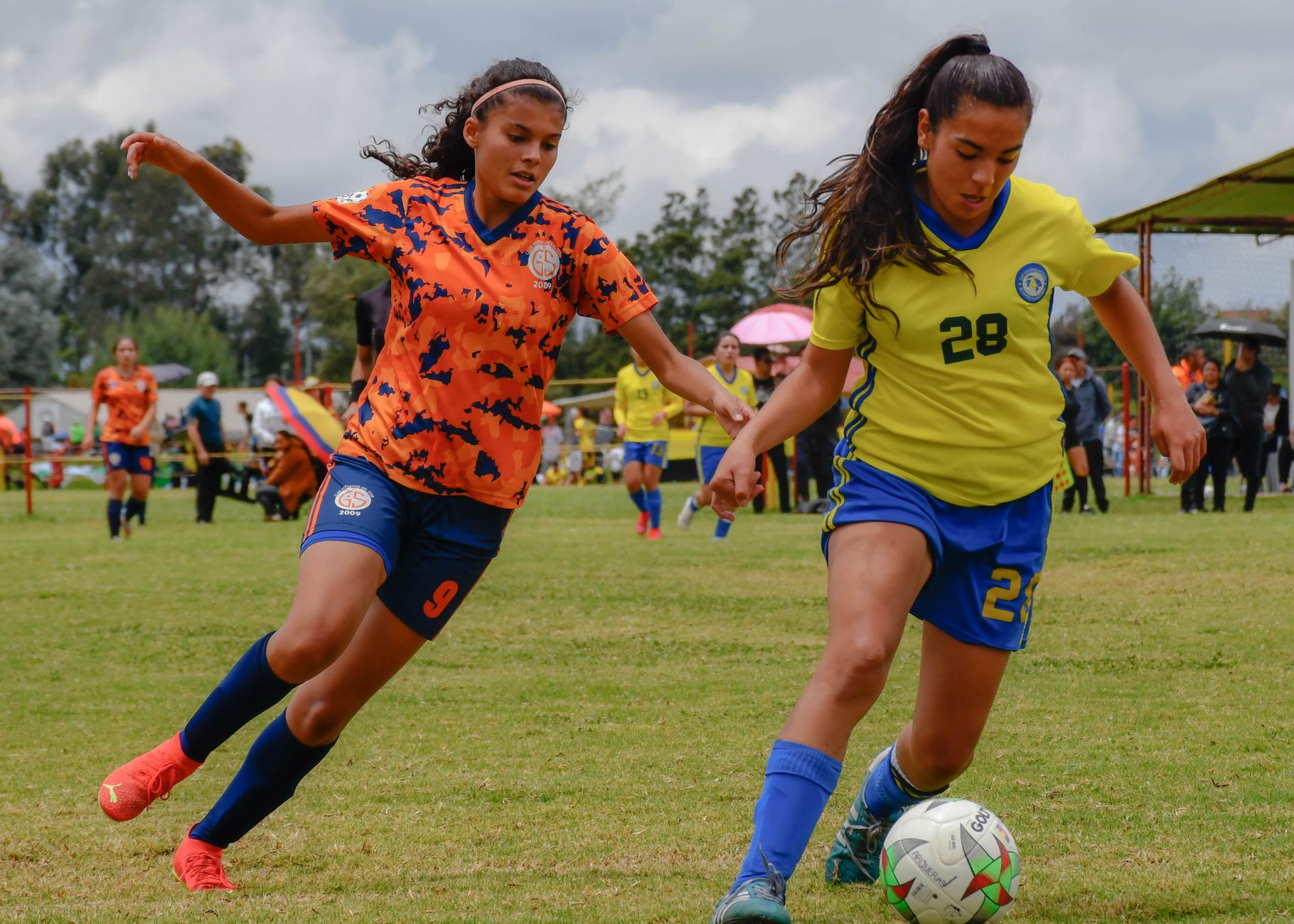
They came to humble the mighty. And they did. Ecuador, the South American underdogs, walked into the stadium as the third-placed team from a group that included hosts and heavyweights. They left as the team that just knocked Germany out of the World Cup—or at least sent them packing early. Goals from Nilson Angulo and Gonzalo Plata erased a first-half deficit, flipping the script and punching Ecuador's ticket to the knockout stage.
Let's not sugarcoat it: Germany dominated the opening 30 minutes. They moved the ball with clinical precision, pinning Ecuador deep in their own half. The warning signs were there—a shot off the post, a scramble in the box. Then it came. A vintage German goal: a sweeping move from the right, a cutback, and a finish that left the Ecuadorian keeper flat-footed. 1-0. Business as usual, right?
Angulo Answers Back
Not so fast. Ecuador didn't fold. They didn't panic. Instead, they did something underdogs rarely do: they trusted their plan. Nilson Angulo, a 23-year-old forward with a point to prove, latched onto a loose ball at the edge of the box in the 38th minute. Two touches—one to control, one to unleash a low drive that beat the German keeper at his near post. The stadium erupted. 1-1. Game on.
That goal was no fluke. Ecuador had been growing into the match, pressing higher, winning second balls. Angulo's strike wasn't just a score—it was a declaration. We're not here to make up the numbers.
Plata's Moment of Magic
The second half was a chess match. Both sides had chances. Germany pushed, Ecuador absorbed and threatened on the break. Then, in the 67th minute, Gonzalo Plata did what he does best. He picked up the ball on the right, danced past a defender, and from an angle that seemed too tight, curled a shot into the far corner. 2-1. The Ecuador bench emptied onto the pitch—but the referee waved them back. There was still time.
“We knew it would be a fight. But we also knew we had the quality to hurt them. That's what we did.” — Gonzalo Plata, post-match interview.
Germany pushed for an equalizer, throwing bodies forward. They hit the crossbar. They had a goal disallowed for offside. But Ecuador held firm, defending with a desperation that bordered on art. When the final whistle blew, the players collapsed to the turf—not in exhaustion, but in disbelief. They had done it.
What This Means
This result throws Group F wide open. Germany, the three-time champions, now face a must-win against Costa Rica just to have a shot at advancing as one of the best third-placed teams. Ecuador? They're through. No qualification scenarios, no calculators needed. They're in the knockout stage for the first time since 2006.
For German fans, this is a familiar pain. In 2018, they crashed out in the group stage. In 2022, they stumbled again. Now, in 2026, they're on the brink once more. The question hanging over the team is no longer about talent—it's about nerve. Do they have it? Tonight, Ecuador showed they do.
This Ecuador side isn't flashy. They don't have a star-studded lineup or a global brand. They have grit. They have a coach who believes in attack. And they have players like Angulo and Plata, who rise when the spotlight hits. That's a dangerous combination in a tournament where one moment can define a career.
The knockout stage awaits. Who do they face? We'll find out soon. But one thing is certain: no one wants to draw Ecuador right now. They've already taken down one giant. Why not another?