Edinburgh woke up to chaos on Saturday. A 42-year-old man now sits in a cell, charged with a string of attacks that left three people injured and a city reeling. The motive, according to police and the Prime Minister himself: pure, unadulterated anti-Muslim hatred.
No one's calling it a terrorist attack yet. But the language from Downing Street made the stakes clear. Keir Starmer didn't mince words: “The suspect appears to be motivated by anti-Muslim hatred.” That's not a throwaway line. That's a government drawing a line in the sand.
The attacks that shook the capital
It started around 4 p.m. on Saturday. A man walking through the bustling streets of Edinburgh's Old Town suddenly turned violent. Witnesses described chaos: a bottle smashed against a window of a halal butcher, a woman shoved to the ground outside a mosque, a teenager punched near a bus stop.
Police arrived within minutes. They found three victims — all visibly Muslim, all targeted for nothing more than their faith. Two women and a teenage boy were taken to hospital. Their injuries were described as non-life-threatening, but the scars run deeper.
“I saw him grab her by the hijab,” one witness told local reporters. “He was screaming things I won't repeat. It was like he was hunting.”
By nightfall, officers had their man. A 42-year-old local resident, name withheld pending court appearance. He's been charged with three counts of assault, one count of religiously aggravated harassment, and possession of an offensive weapon — a knife, found in his jacket pocket.
Starmer's response: more than words?
Keir Starmer didn't wait for the dust to settle. Within hours, his office released a statement that landed like a hammer. This wasn't a boilerplate condemnation. It was a declaration of intent.
“Hatred has no place in Britain. The suspect appears to be motivated by anti-Muslim hatred.”
Critics will say it's easy to tweet outrage. But Starmer went further, vowing to “fast-track” hate crime legislation currently stalled in Parliament. That's a direct challenge to the far-right factions that have been gaining ground in Scottish politics.
“We will not allow the politics of division to take root on our streets,” Starmer said. “If the law isn't strong enough, we'll change it.”
Strong words. But words won't heal the wounds of those three victims. And they won't stop the next attack unless backed by action.
The bigger picture: a rising tide
This wasn't an isolated incident. Hate crimes against Muslims in the UK have been climbing for years. In 2025, Tell MAMA, the anti-Muslim hate monitoring group, recorded a 42% increase in incidents compared to the year before. Mosques vandalized. Women spat on. Children bullied for their names.
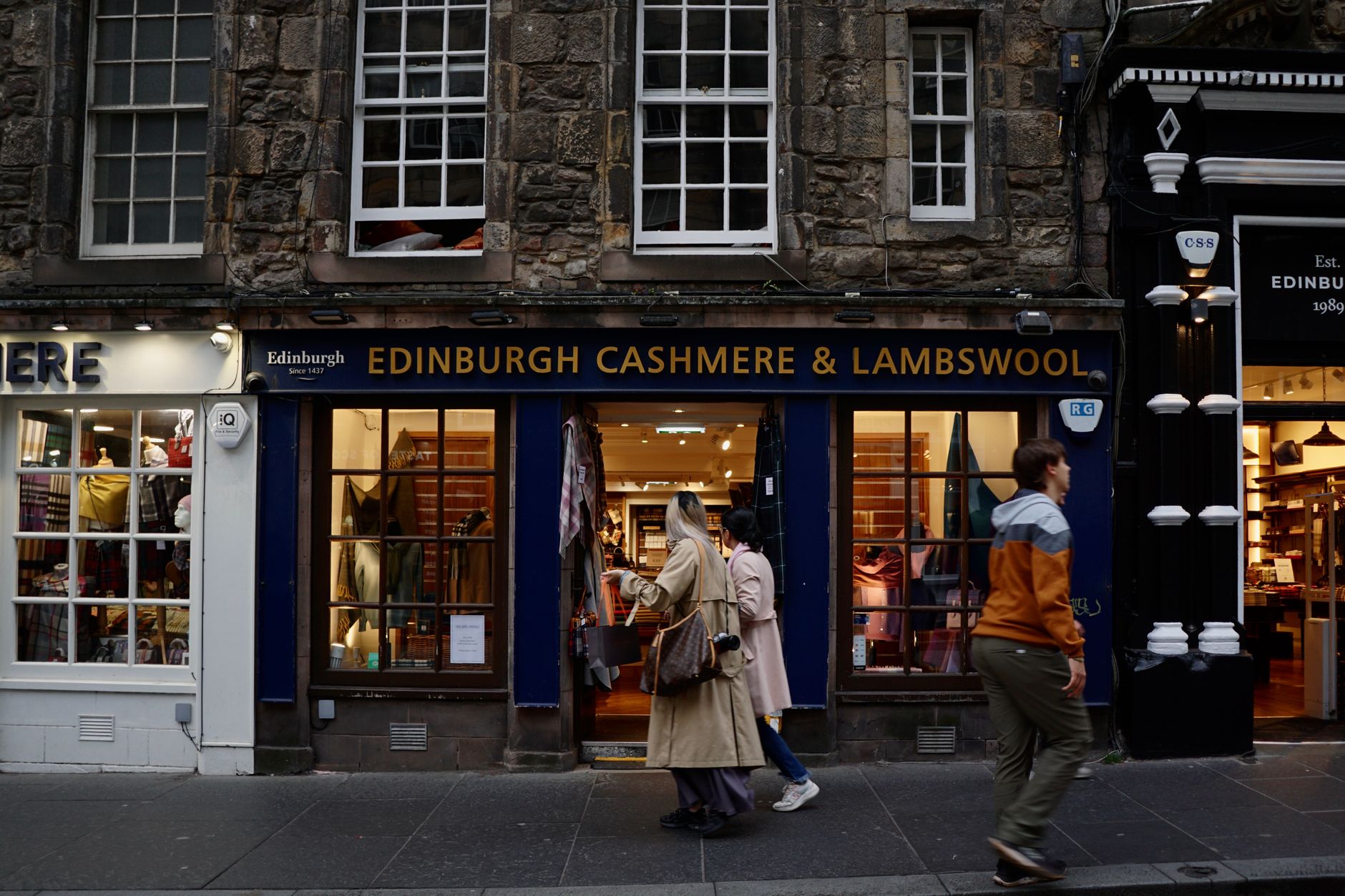
Edinburgh, for all its cobblestone charm and tourist-friendly reputation, is not immune. The city's Muslim community numbers around 30,000 — a small but visible minority. And they've been feeling the squeeze.
“It's getting worse,” said Amina Hassan, a local community leader. “We used to feel safe here. Now I tell my daughters to take off their hijabs when they walk home alone. That's not freedom. That's surrender.”
The suspect's reported motive fits a pattern. Online radicalization, stoked by anti-immigrant rhetoric and the normalization of Islamophobia in some corners of the internet. Police are examining his digital footprint, but early reports suggest a trail of far-right forum posts and “lone wolf” manifestos.
Meanwhile, the debate rages
Of course, the usual suspects have already crawled out of the woodwork. On social media, accounts with blue checkmarks are questioning whether “anti-Muslim hatred” is even a real thing. Some are calling for the suspect's name to be released, as if that would solve anything.
Let's be clear: Islamophobia is real. It's deadly. And it's being fueled by people who should know better — politicians who dog-whistle about “cultural enrichment,” pundits who frame Muslims as a fifth column, and algorithms that serve up hate for profit.
Scotland's First Minister, Humza Yousaf, called the attacks “a stain on our nation.” He's right. But stains don't wash out with press releases. They require scrubbing — tough laws, better policing, and a society willing to look in the mirror.
What happened in Edinburgh is a symptom. The disease is bigger. Until we confront the root causes — the online echo chambers, the political cowardice, the casual bigotry that passes for debate — more people will get hurt.
What comes next
The suspect is due in court Monday. The charges could carry years in prison if he's convicted. But justice for three victims won't undo the fear now etched into Edinburgh's Muslim community.
Starmer has promised a crackdown. Yousaf has called for unity. Both are necessary. Neither is sufficient.
Because the man who swung that bottle, who shoved that woman, who chased that teenager — he didn't appear out of nowhere. He was radicalized. And until we figure out how to stop the pipeline that produces such hatred, there will be more like him.
Edinburgh will heal. It always does. But the question hanging over this city, and this country, is whether we'll do more than just triage the wounds. Or whether we'll let the next attack come, as it surely will.
That's not pessimism. That's a fact born of fifteen years watching the same story play out in different cities, with different victims, but the same hollow promises afterward.
We'll see if this time is different. But don't hold your breath.