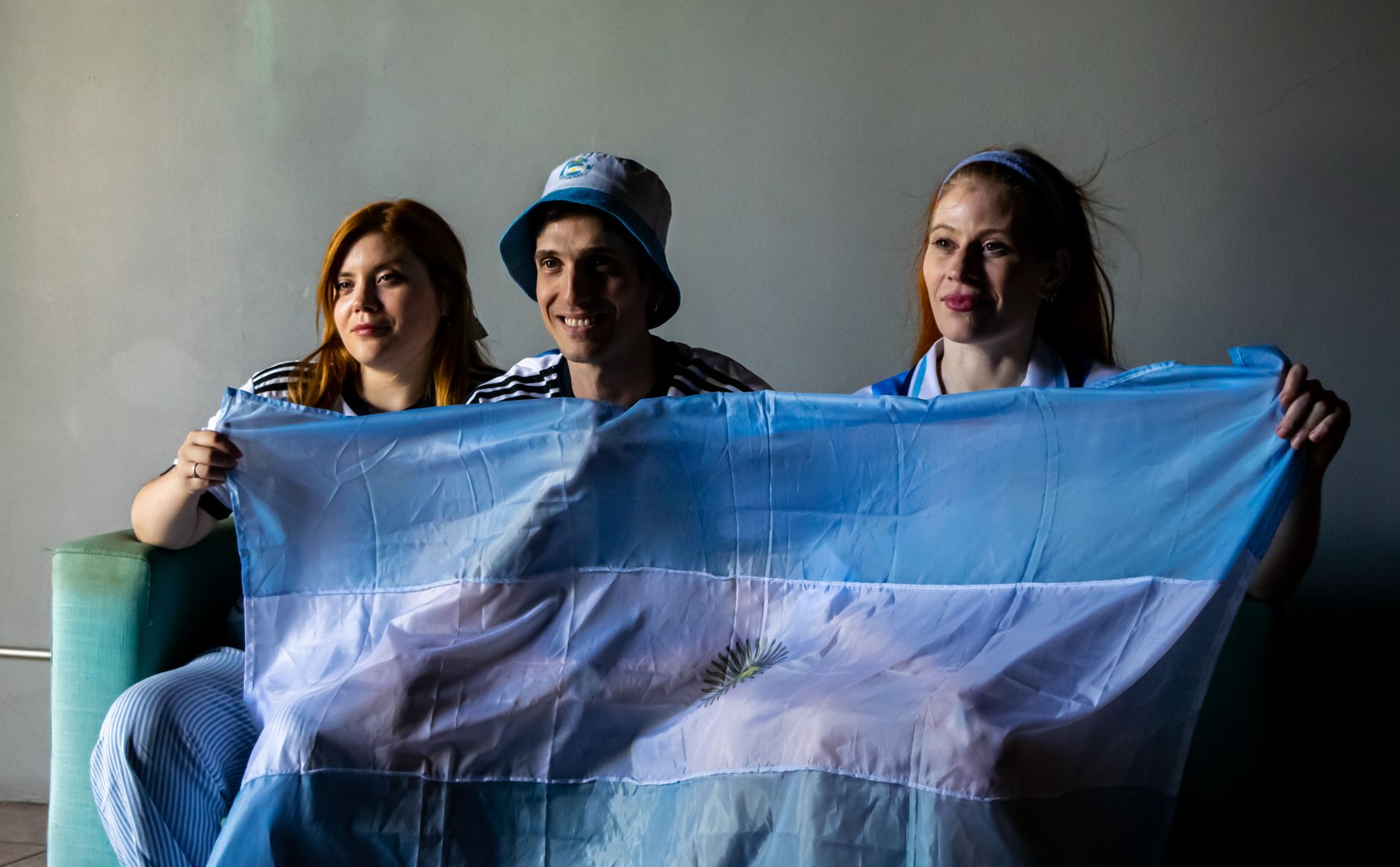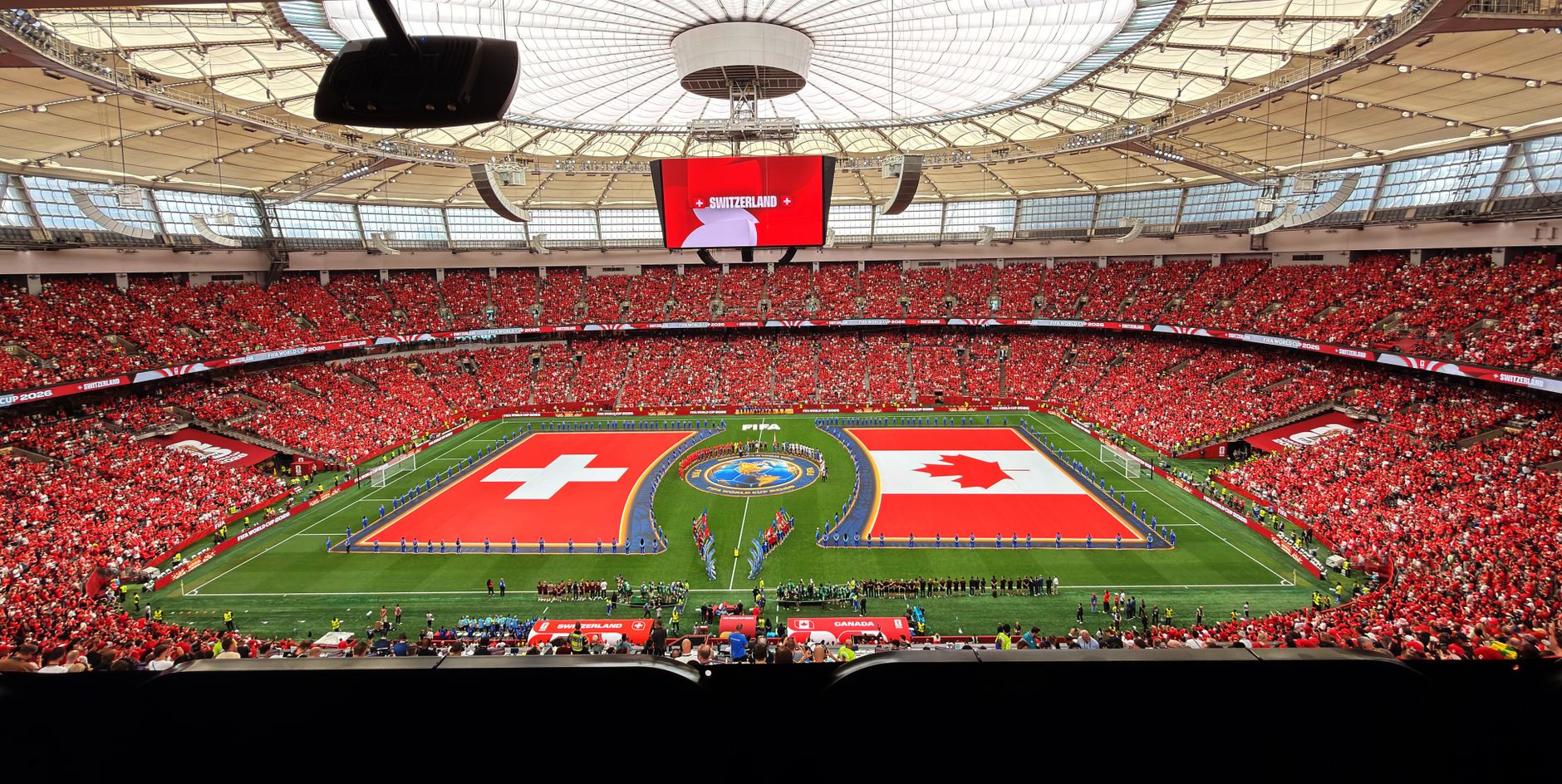
CAIRO — When the final whistle blew at the Lusail Stadium, Mohamed Salah dropped to his knees. Not in prayer, but in exhaustion. Around him, Egypt’s players collapsed on the grass, their fairytale World Cup run smothered by an Argentine side that needed 120 minutes to break them.
The scoreline: Argentina 2-1 Egypt. But the scoreboard doesn’t tell the story of a team that punched so far above its weight it left the world gasping. Egypt, ranked 34th in the world, took the reigning champions to extra time. They led with 12 minutes to go. They made Lionel Messi disappear for long stretches. And when they finally lost, they didn’t lose quietly.
“They played for every Egyptian, for every Arab, for every underdog who ever dared to dream,” said Ahmed Hassan, a taxi driver in Cairo, his eyes still red. “We didn’t win the trophy. But we won something bigger. Respect.”
The Moment That Almost Was
Egypt’s goal came from a set piece — a looping header from defender Mahmoud Hamdy in the 68th minute. For 22 minutes, the country held its breath. Workers in Cairo’s Tahrir Square stopped selling tea. Students in Alexandria glued their eyes to phones. In Gaza, fans crammed into cafes, too nervous to cheer. When the ball hit the net, the roar was heard across the Mediterranean.
But Argentina’s equalizer came in the 78th — a deflected shot that wrong-footed the Egyptian keeper. And then, in extra time, a moment of brilliance from substitute Angel Di Maria. A curling shot from the edge of the box. The silence in the Egyptian stands was deafening.
“They didn’t just lose. They gave us a story we’ll tell our grandchildren. That’s not failure. That’s glory.” — Salma, a teacher in Giza
Beyond the Pitch: A Nation United
This World Cup run was never just about football. Egypt’s team became a symbol of resilience in a region battered by economic crisis, political division, and war. In Gaza, where power cuts are routine, fans watched the match on car batteries. In refugee camps across Jordan and Lebanon, the team’s shirts — red, white, and black — became the most sought-after item.
“We see ourselves in them,” said Yara, a Palestinian student in Ramallah. “They show us that even when the world is against you, you can still hold your head high.”
Even world leaders joined the chorus. French President Emmanuel Macron tweeted: “Egypt, you played with heart. The world saw it.” From Moscow to Riyadh, praise poured in. But the most meaningful came from home. In Cairo’s slums, where many live on less than $2 a day, the team’s run offered a rare moment of collective joy.
The Controversy That Won’t Die
No Egyptian story is complete without a bitter aftertaste. In the 105th minute, with the score tied 1-1, Egyptian striker Mostafa Mohamed went down in the box under a challenge from Argentine defender Cristian Romero. Referee Daniele Orsato waved play on. Replays showed minimal contact — but also a clear clip of Mohamed’s heel. VAR reviewed. No penalty.
“It’s a scandal,” fumed former Egyptian international Ahmed Hossam, known as Mido, on live television. “That is a penalty in any league in the world. We deserved a chance.”
Egyptian fans flooded social media with accusations of bias. Some pointed to FIFA’s commercial interests — Argentina sells more jerseys. Others simply cursed their luck. But by morning, the anger had softened. Even the most bitter fans admitted: Egypt had been beaten, not robbed. Argentina was better on the night. Just barely.
What Comes Next
For Egypt, this run is a foundation, not a peak. The team’s average age is 26. Salah, at 34, may not return for the next World Cup, but the squad is deep. Players like midfielder Ali Ghazal and defender Ahmed Hegazy are in their prime. The nation’s football federation, long a byword for chaos, is suddenly basking in competence.
But the real legacy is cultural. For months, the Egyptian pound had been in freefall. Inflation hit 30%. The Sisi government faced protests over austerity. And then came this team, these 23 men, who for three weeks made Egyptians forget their troubles. They filled streets, cafes, and rooftops with a single chant: “Ya Masr, ya omm el donya.” Egypt, mother of the world.
“They gave us something politicians never can: dignity,” said Tarek, a shopkeeper in Alexandria. “When we saw them stand up to Argentina, we stood taller.”
As the team flew home, they were met at Cairo Airport by thousands of fans. No trophies. No medals. Just a sea of flags and tears. And the knowledge that sometimes, losing the battle can win the war. The World Cup will forget Egypt by next week. But Egypt will never forget this World Cup.