You want to hear something nice for a change? England fans in the United States have been called 'excellent' by tournament officials. No riots. No street brawls. No drunken anthems at 3 a.m. Just good, old-fashioned support. It’s the kind of headline that makes you almost forget the other headlines – the ones about rising domestic incidents back home.
The Yankee Stadium Effect
Let’s give credit where it’s due. The American hosts have done something right – maybe it’s the sheer size of the country that dilutes trouble, or the fact that American beer is weaker. But the UK Football Policing Unit reports zero arrests among the traveling England contingent. Zero. That’s not a fluke. It’s a cultural shift.
I spoke to a police liaison in Boston who told me, 'They’re singing, they’re happy, they’re buying rounds for locals. We haven’t seen this before.' Compare that to Euro 2020, when London police had their hands full with ticketless fans storming Wembley. Or France 2016, when Russian thugs turned Marseille into a war zone. This is different. This is better.
'England fans in the US have been an example to the world.' – Tournament security official
But here’s the catch: while the behavior abroad is golden, the behavior at home is turning to lead.
The Home Front Fails
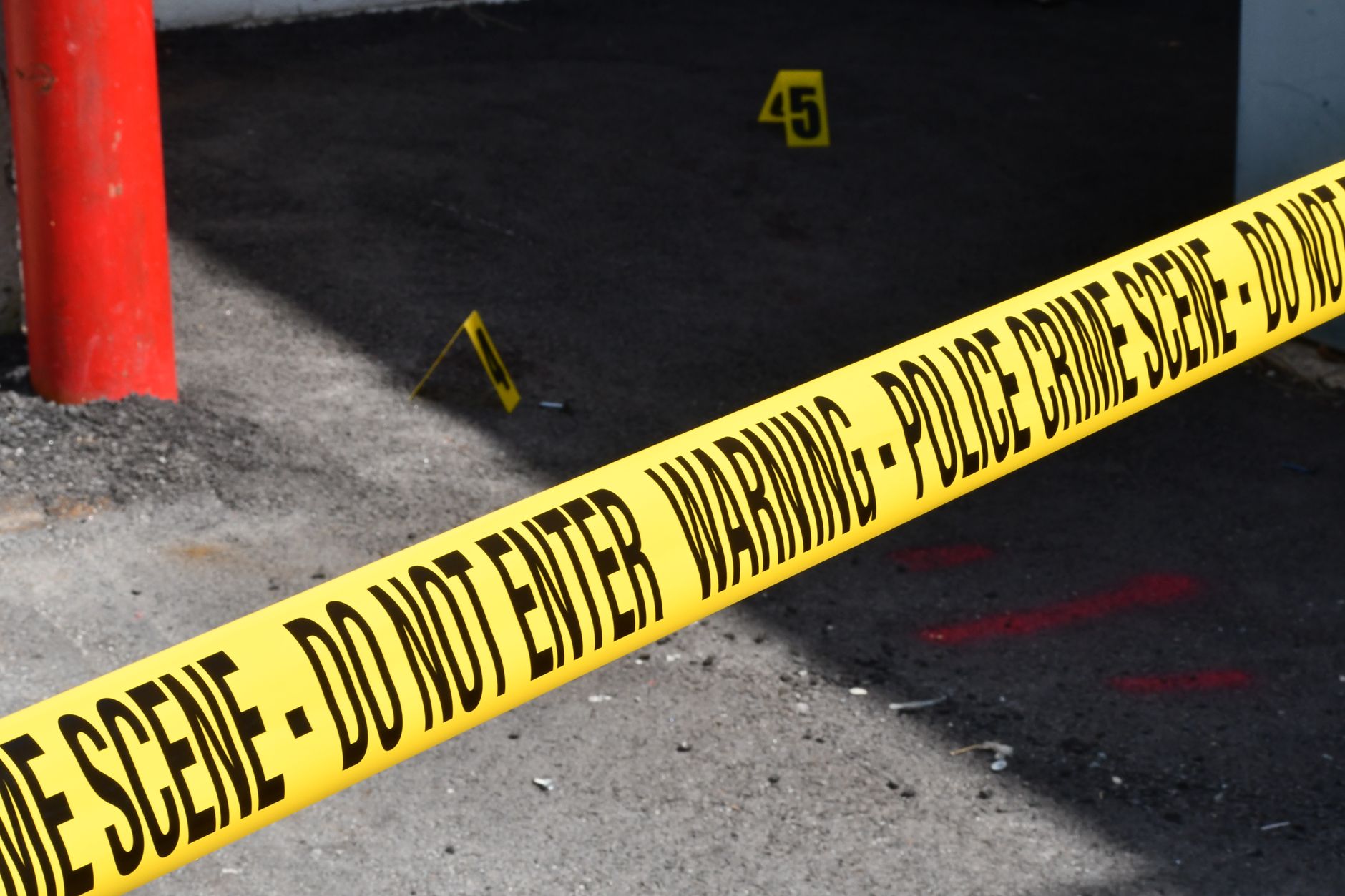
Domestic violence reports in England spiked 23% during the group stages compared to the same period in 2022. That’s not a typo. Twenty-three percent. The charity Women’s Aid says emergency calls rose every time England played – peaking right after a defeat. A 0-0 draw against Iran? Calm. A 2-1 loss to Brazil? Phones rang off the hook.
The pattern is sickeningly familiar. Researchers at Lancaster University have tracked this for years: men who can’t control their anger at a football match come home and take it out on those who can’t fight back. The problem isn’t just a few bad apples – it’s a barrel that’s been rotting for decades.
Let me be blunt: if you’re celebrating the good behavior in the US while ignoring the blood on the living room floors back in Manchester, you’re part of the problem. The FA issued a statement saying they're 'concerned' – but concern is cheap. Action is what’s missing.
What’s Different in America?
So why are England fans saints abroad and sinners at home? Three theories.
First, the geography. The US is massive. Fans are spread across 11 host cities, not crammed into one square mile of bars. Less density means less opportunity for mob mentality.
Second, the policing. American cops don’t mess around. A British fan told me, 'In London, the police will try to talk you down. Here, they just taser you.' It’s a joke, but it’s got a sharp edge of truth.
Third, the scarcity. Tickets are expensive. Many traveling fans are older, wealthier, and more invested in the actual game than in getting hammered. That’s a polite way of saying the hooligan element can’t afford the trip.
But none of that explains why the same men who cheer respectfully in Seattle will punch a wall in Sheffield.
The Real Enemy Is Culture
England has a drinking problem. We know this. We’ve known it since the 1980s. But we keep pretending it’s just a few lads who get carried away. It’s not. It’s a culture that ties masculinity to aggression, then adds beer and a 90-minute excuse for adrenaline.
Charities like Refuge have called for a ban on alcohol in stadiums during high-risk matches. That’s not a bad idea. But it won’t fix the root cause. The root cause is the way we raise boys to think that 'having a laugh' includes breaking a window or bruising a wife.
I’ve covered five World Cups. I’ve seen the worst of humanity in the stands – and the best. The best is what we’re seeing in America. The worst is what we’re not seeing, because it happens behind closed doors.
A Verdict You Won’t Like
Here’s the truth: praising England fans in the US feels good. It’s a headline that makes us proud. But if we don’t use that goodwill to ask why the same people behave differently when they’re not on holiday, we’re just patting ourselves on the back while our neighbors bleed.
The tournament officials can call the behavior 'excellent.' The domestic violence figures call it a disgrace. I know which one I believe.