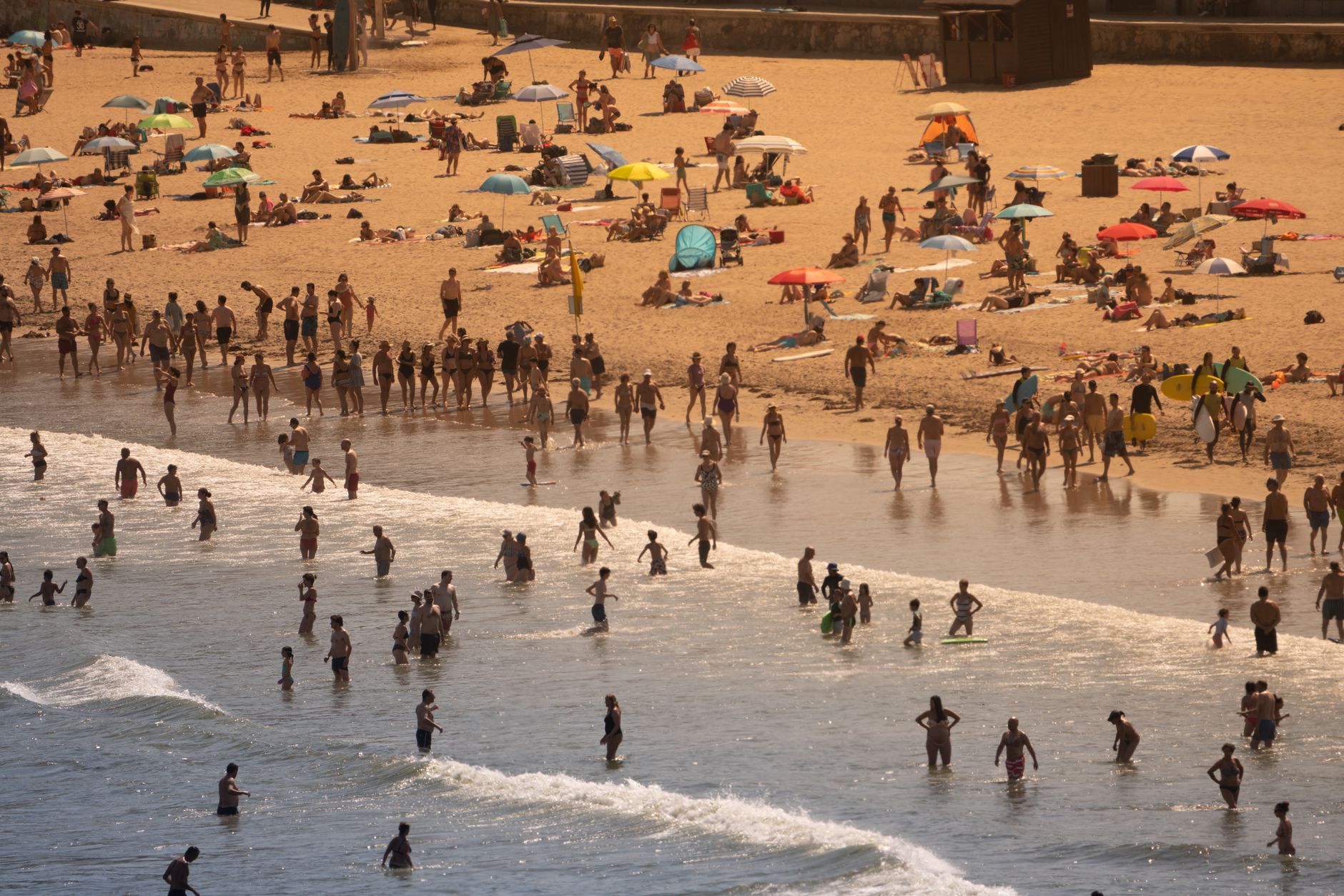
PARIS — The air is thick, the streets are empty, and the only thing moving faster than the mercury is the exodus from Brittany. France is cooking. So is the rest of Europe. For the second day in a row, the continent is locked in a heatwave that's less a weather event and more a slow-motion disaster.
Let's start with the numbers. On Wednesday, 63 million people in France — that's nearly the entire population — woke up to temperatures over 30 degrees Celsius. Not a record in itself, but when you factor in humidity, the lack of cooling breezes, and a housing stock designed for milder climes, it's a killer. The real headline came from Brittany. That's the northwestern region famous for its mild summers and stone cottages. Power lines there buckled under the strain of AC units that barely exist outside cities. Blackouts swept through towns like Rennes and Brest, leaving thousands without fans, fridges, or water pumps.
Why Brittany Matters
Brittany isn't the Côte d'Azur. It's not supposed to hit 40 degrees. But it did. The regional capital of Rennes recorded 41.2°C on Tuesday, smashing a record set just three years ago. And when the power went out, it wasn't just about comfort. People in rural areas rely on electric wells for drinking water. Elderly residents locked in stone houses with no ventilation faced hours of suffocating heat. The French weather service, Météo-France, issued its highest-level red alert for parts of the region — a warning usually reserved for hurricanes or floods.
This isn't a freak event. It's a pattern. Europe's heatwaves are coming faster, hotter, and hitting places that thought they were safe. In 2003, a heatwave killed 70,000 across the continent. Since then, cities have installed cooling centers and early warning systems. But infrastructure hasn't kept pace. Brittany's power grid was built for moderate temperatures. Now it's failing under loads it was never designed to handle.
“We are facing a new climatic regime,” said climate scientist Jean-Michel Soubeyroux. “Even regions that were once temperate must now prepare for extreme heat.”
The Political Heat
France's government is scrambling. Energy Minister Agnès Pannier-Runacher announced emergency measures: backup generators for hospitals, extra staff for power companies, and a call for citizens to reduce consumption. But the problem is structural. France relies heavily on nuclear power, and many reactors are offline due to maintenance or drought-related cooling issues. When the sun bakes the rivers, nuclear plants can't discharge hot water. So they shut down. Meanwhile, solar panels — yes, solar panels — become less efficient in extreme heat. The irony is cruel.
Across the border, Spain and Italy are also sweltering. Rome hit 39°C on Wednesday. In Madrid, workers were sent home early after the government activated a heat emergency plan. But the real worry is the knock-on effects. Agriculture is wilting. The olive harvest is expected to drop by 30%. Wheat yields are down. And tourists? They're still coming, but the idea of a Mediterranean vacation is losing its appeal when you can't walk outside past 10 a.m.
What Can Be Done?
Short term: get people through the next 48 hours. That means opening public pools, extending metro hours, and checking on the elderly. But that's a band-aid. The long-term fixes are expensive and politically toxic: burying power lines, retrofitting buildings, planting trees in cities, and — the big one — reducing carbon emissions. Europe has pledged to be carbon neutral by 2050. But every heatwave makes that deadline feel like a joke.
I talked to a baker in Rennes, Marie-Claire Dupont, who lost power Tuesday afternoon. Her bread dough went bad. She threw out €200 worth of flour and yeast. “I've been baking here for 40 years,” she said, wiping sweat from her forehead. “I've never seen anything like this. It's like the oven is outside now.”
That's the new reality. The oven is outside. And until governments start treating heatwaves like the emergencies they are — with the same urgency as a hurricane or a flood — more records will fall, more grids will fail, and more people will die.
Europe is cooking. And nobody is turning down the heat.