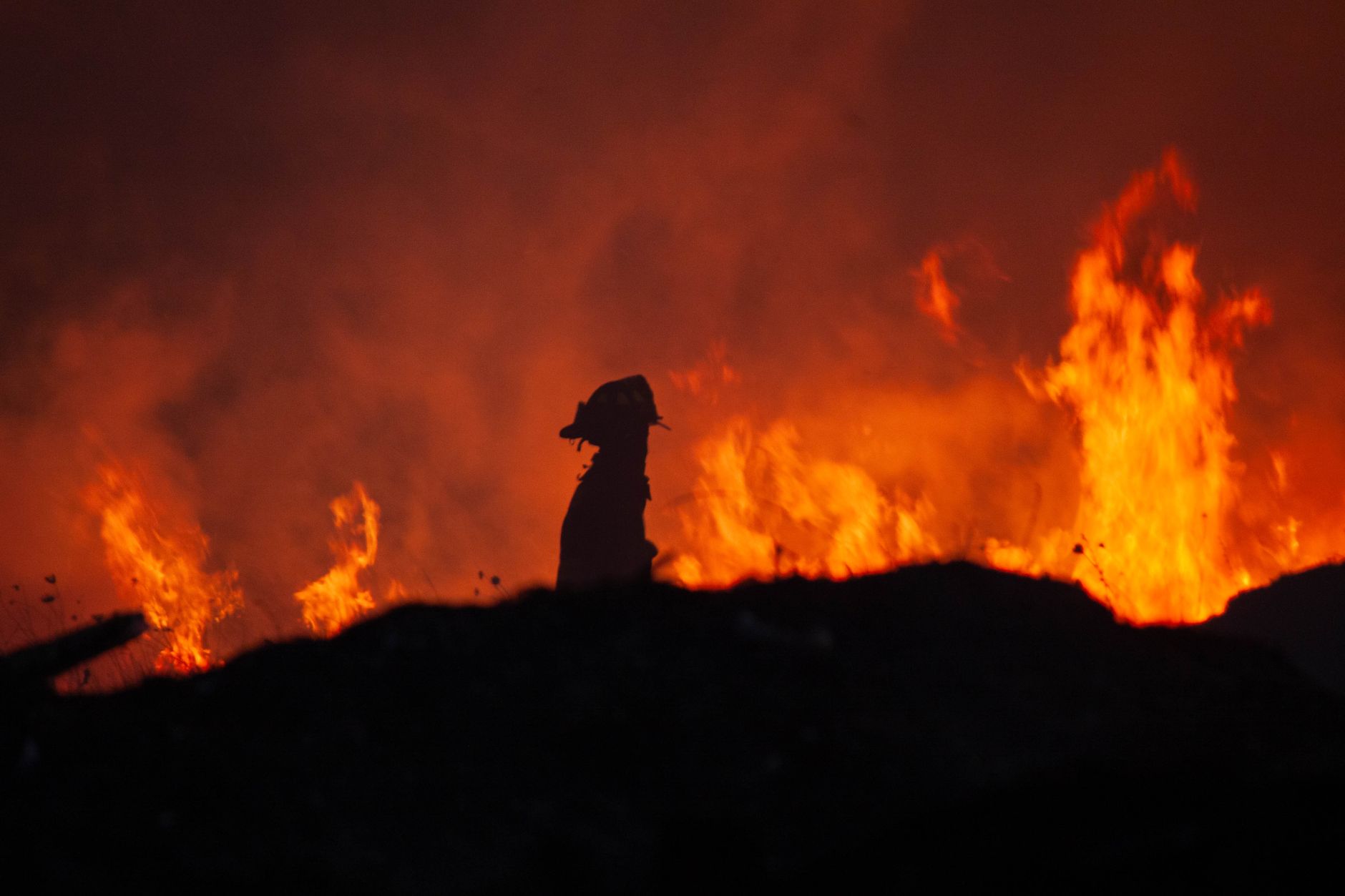
The Mediterranean sky turned black over Crete on Wednesday, and not from nightfall. A wildfire—fast, erratic, merciless—swept through the island's rugged interior, killing at least four firefighters and trapping dozens of residents along the coastline. The Greek Coast Guard, already stretched thin by summer migration patrols, pivoted to a different kind of emergency: plucking people from beaches and rocky coves as flames licked the shore.
This wasn't a drill. This was hell with a sea breeze.
By the time the first mayday crackled over the radio, the fire had already jumped a dry riverbed and was chewing through olive groves at a pace that veterans called unprecedented. "We've seen fires before," one Coast Guard officer told me, his voice hoarse from shouting orders. "But this one had a mind of its own."
The Deaths That Shook Crete
Four firefighters are dead. Their names haven't been released yet—authorities are still notifying families—but the details of their final moments are already seeping out. They were part of a ground crew trying to carve a firebreak near the village of Mires, a dusty hamlet about 40 kilometers south of Heraklion. The wind shifted. The fire turned. They had no escape route.
"They were experienced. They knew the terrain. It didn't matter," a local fire chief said, his eyes red from smoke and grief. "When the wind decides, you're just fuel."
The deaths have sent a jolt through Greece's firefighting community. Summer wildfires are a grim annual ritual here, but losing four in a single blaze is rare. It's a reminder that no amount of training can outrun a firestorm.
Sea Rescues: Desperation on the Shoreline
While the firefighters died inland, the Coast Guard was fighting a different battle along the coast. Entire families had fled to the water's edge, their cars abandoned on roads that had become corridors of flame. Some waded into the sea, hoping the waves would shield them. Others clambered onto rocks, waving shirts and screaming at passing boats.
The Coast Guard launched every available vessel—patrol boats, inflatables, even a retired fishing trawler pressed into service. In one harrowing rescue, a helicopter lowered a harness to a mother and her two children as fire singed the cliff above them. "I thought we were going to die," the mother later told a local reporter. "The water was cold, but the air was on fire."
By dusk, the Coast Guard had pulled 87 people from the shoreline. Dozens more were evacuated from beaches accessible only by boat. But the operation is far from over. Officials say some areas remain unreachable, and the fire continues to advance.
"We've seen fires before, but this one had a mind of its own." — Greek Coast Guard officer
Why This Fire Was Different
Crete is no stranger to wildfires. The island burns every summer. But this one is different—and it has little to do with the wind or the dry brush, though both played their part.
For starters, the timing. July is usually peak fire season, but this blaze ignited with a ferocity that caught everyone off guard. It started on the southern flank of Mount Ida, Crete's highest peak, and within hours it had crossed a major highway and was racing toward the coast. That's not normal. Fires usually slow down at night. This one didn't.
Then there's the terrain. The area around Mires is a patchwork of abandoned terraces, overgrown ravines, and parched scrub—perfect fuel for a fire that wants to run. Add in a prolonged drought that has left the island tinder-dry, and you've got a recipe for disaster.
But the real story here is climate change. Scientists have been warning for years that the Mediterranean is becoming a fire hotspot. Higher temperatures, longer dry spells, more erratic winds—these are the ingredients of megafires. And Greece is ground zero. In 2021, fires on Evia and in the Peloponnese forced mass evacuations. In 2023, Rhodes burned. Now Crete.
"This isn't a freak event anymore," said Dr. Maria Papadopoulou, a climatologist at the University of Athens. "It's the new normal. And we're not ready."
The Politics of Firefighting
Greece's firefighting infrastructure has been underfunded for years. The government has poured money into aerial assets—water-bombing planes and helicopters—but ground crews remain understaffed and underpaid. The firefighters who died on Crete were seasonal workers, hired for the summer at 800 euros a month. They were the backbone of the country's fire defense, and they died for it.
Critics say the system is broken. "We hire them for four months, give them minimal training, and expect them to die for us," said one opposition MP, who asked not to be named because he wasn't authorized to speak. "It's a disgrace."
The government has promised an investigation. It has also activated the EU's Civil Protection Mechanism, requesting additional aircraft and personnel from other member states. But for the families of the dead, that's cold comfort.
What Happens Next
The fire is still burning. Evacuation orders remain in place for several villages, and the Coast Guard is on standby for more rescues. The winds are expected to pick up again tomorrow, which could push the fire toward more populated areas.
But even after the flames are out, the questions will remain. How did four firefighters die? Could it have been prevented? And how many more summers like this can Greece endure?
For now, the focus is on the living. The survivors huddled on beaches, the families waiting for news, the firefighters still out there, hacking at the flames with shovels and hope. They're the ones who matter. The rest—the politics, the blame, the what-ifs—can wait.
But not for long. Because if this is the new normal, we're all playing with fire.