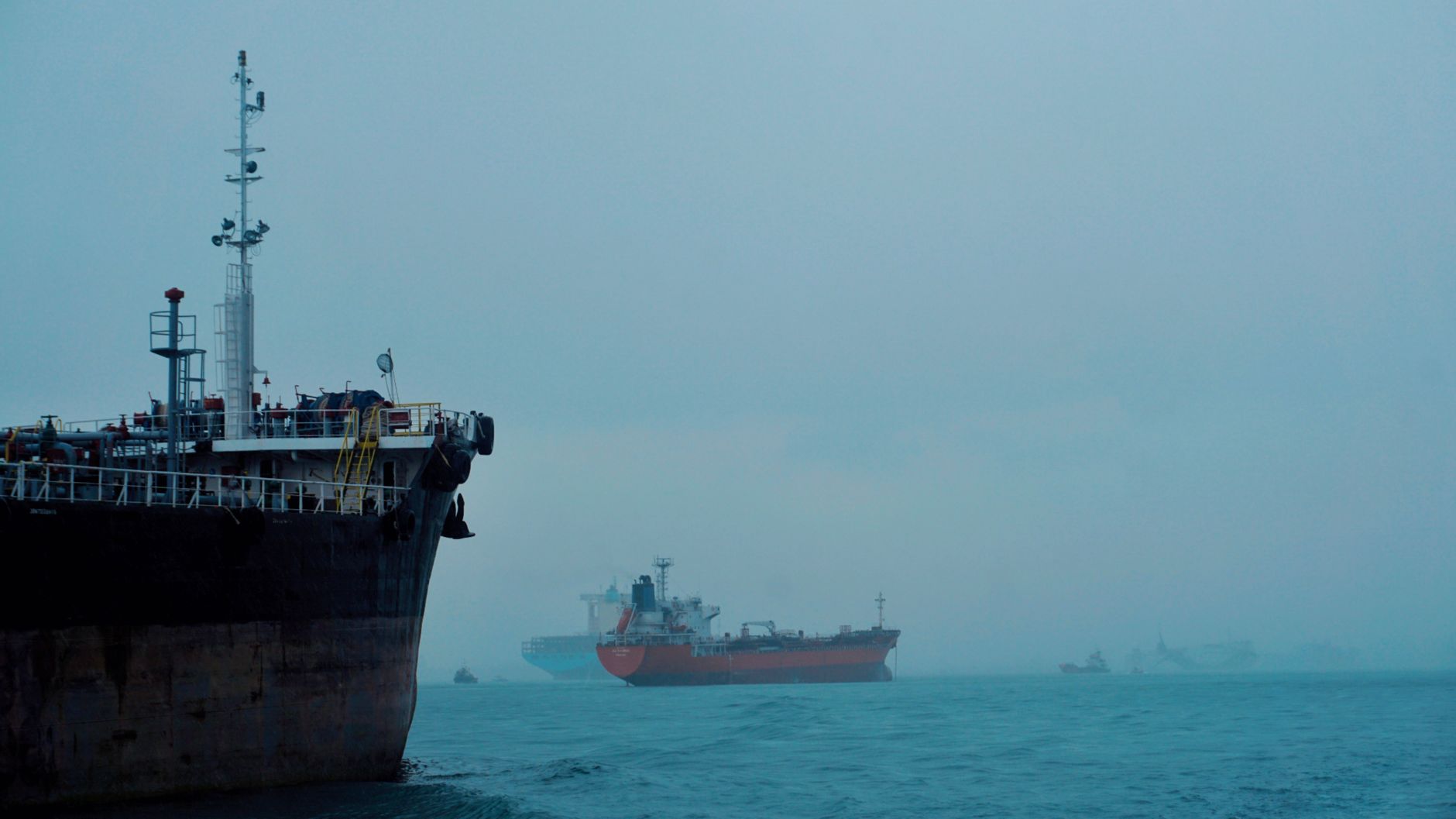
The oil tankers are moving again. Through the narrow throat of the Strait of Hormuz, the lifeblood of global energy is flowing with something close to normalcy. And for a few hours on Friday, the market let out a breath it didn't know it was holding. Brent and WTI both slipped as Commonwealth Bank of Australia pointed out what traders were already whispering: the war premium is deflating.
But here's the thing about war premiums — they're not rational. They're emotional. They're priced by fear, not by barrels. And fear, as any veteran of these cycles knows, doesn't disappear because traffic resumes. It just goes dormant, waiting for the next spark.
What the Headlines Miss
The headlines this week screamed about U.S.-Iran strikes. They showed maps with arrows and pundits with grim faces. But the real story is simpler and more brutal: the Strait of Hormuz is a chokepoint that 20% of the world's oil passes through. When it hiccups, prices spike. When it breathes again, they ease. That's the mechanical part.
The human part is messier. Every tanker that transits now carries not just crude, but a calculation. What if the next strike comes closer? What if an Iranian speedboat gets trigger-happy? What if the insurance rates climb so high that shipping becomes a loss-making venture, regardless of the oil price?
That's why the Commonwealth Bank note felt like a cold compress on a still-fevered forehead. Yes, flows through Hormuz have strengthened. Yes, the immediate panic has subsided. But the underlying condition — a region where a single miscalculation can set the global economy on fire — hasn't changed one iota.
"When the guns go quiet, traders love to pretend the risk is gone. It's never gone. It's just deferred."
The Comfort of Statistics
Let's be precise, because numbers matter. The Commonwealth Bank analysts flagged that "stronger oil flows" had "eased market concerns." That's bank-speak for: the ships are sailing, the premiums are shrinking, and our clients should stop hyperventilating. But look closer at the phrasing. "Strengthened" doesn't mean "restored." "Eased" doesn't mean "erased."
In the oil markets, precision is survival. A 1% shift in supply can move prices by 5%. A week of disrupted shipping can ripple through inventories for months. The physical recovery of Hormuz traffic is a data point, not a verdict. The market's fickle reaction on Friday — a modest dip, not a crash — tells you that traders are still hedging their bets.
I've covered conflicts from the Gulf to the Caucasus. I've watched tankers load under the watchful eyes of warships. And I've learned that the first green shoots of normalcy are often the most dangerous moment. That's when the complacency creeps in.
Why This Ease Won't Last
Consider the arithmetic. The U.S. and Iran fired shots at each other this week. Not a cyber skirmish, not a proxy war — direct strikes. The kind of thing that used to be unthinkable because of the fallout. And yet here we are, days later, watching oil prices slip as if it were a minor squall.
That's not confidence. That's exhaustion. The market is tired of the adrenaline. It wants to believe the storm has passed. But the storm hasn't passed — it's just repositioned. Iran's response, whatever form it takes, will come. It always does. The question is whether it targets shipping, infrastructure, or something else entirely.
And let's not forget the other players. Saudi Arabia, the UAE, Iraq — they all ship through Hormuz. They all have a stake in keeping the strait open. But they also have rivalries and calculations that don't always align with global stability. The premium isn't just about Iran's missiles; it's about the entire geopolitical architecture of the region, which has been cracking for years.
"A war premium is the market's way of saying: 'I don't trust this peace.' And it's usually right."
The Real Cost of a Barrel
Here's what the charts don't show: the cost of a barrel of oil isn't just the price on the screen. It's the insurance premiums paid by shipping companies, the rerouted vessels burning extra fuel, the traders paying for options and futures to protect against the next spike. All of that is real money, extracted from the global economy, because we live in a world where a 21-mile strait holds our energy future hostage.
When the premium eases, we all feel a momentary relief. Petrol prices stabilize. Inflation forecasts soften. Central bankers exhale. But that relief is borrowed, and the interest is compounding.
Look at the bigger picture. The world is still overwhelmingly dependent on fossil fuels. Electric vehicles are growing, but they're not replacing the tanker fleet overnight. Renewable energy is expanding, but it doesn't power container ships yet. So we remain tethered to this fragile artery, and every pulse of tension sends a shock through the system.
What Traders Should Watch
For those of you watching the screens, don't get lulled by Friday's dip. Watch the tanker tracking data — it's your best source of truth. Watch the Iranian news agencies, not for what they say, but for what they omit. Watch the U.S. military's posture, because a carrier group's position tells you more than a thousand press releases.
And most of all, watch the options market. The skew toward puts and calls can reveal where the smart money thinks the next move is coming from. If the premium keeps deflating while the underlying risk stays high, that's an opportunity — not for the timid, but for those who understand that fear and greed are just two sides of the same coin.
The Verdict
Oil prices easing is good news. We should acknowledge it, enjoy it, and then immediately get back to worrying. Because the Hormuz traffic returning to normal isn't a resolution — it's a pause. The geopolitical fault lines that caused this week's strikes are still there, grinding against each other, waiting for the next tremor.
I've seen this movie before. The market forgets. The politicians move on. The ships sail. And then one morning you wake up to a headline that makes your coffee taste like ash. The war premium isn't a bubble that bursts; it's a tide that recedes, only to crash back harder.
So, yes, enjoy the lower prices. But keep your hand on the tiller. The strait may be open, but the world's most important waterway is never truly safe. It's just between storms.