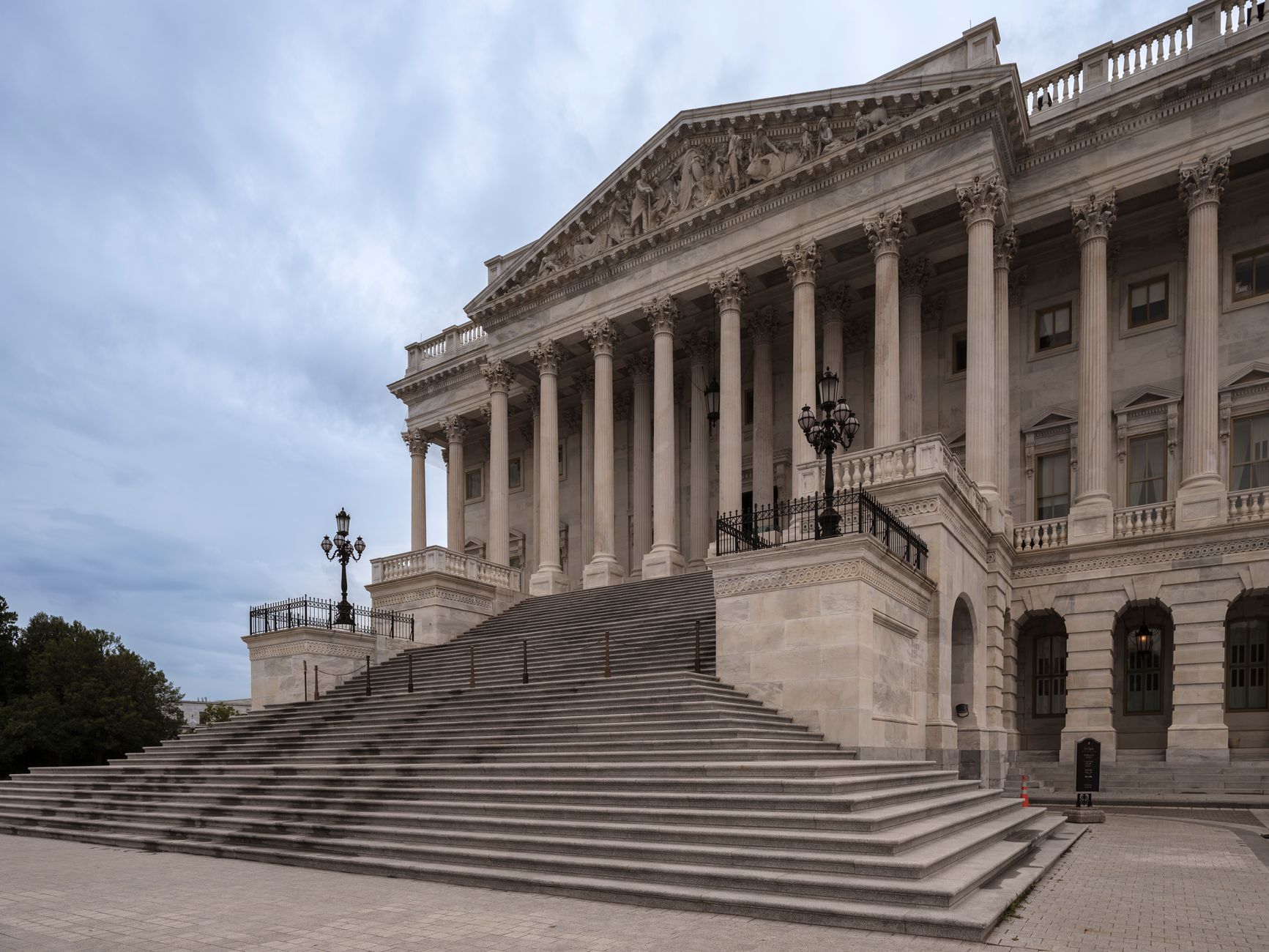
Let's be honest: when Congress says it's going to "lower housing costs," most of us roll our eyes so hard we pull a muscle. But Tuesday, the House actually did something. They passed a bill — a real one, with teeth — aimed at making homeownership less of a fantasy for normal people and more of a nightmare for the private equity vultures who've been buying up starter homes like Monopoly properties.
The bill now heads to President Trump's desk, and here's where it gets interesting. Trump has been quiet on housing, mostly tweeting about crowd sizes and tariffs. But this legislation could force his hand. Does he side with the Wall Street sharks who funded his campaigns, or the suburban voters who can't afford a two-bedroom ranch?
The Nuts and Bolts — And Why They Matter
The bill has three main prongs. First, it slaps a 10% surcharge on companies that own more than 100 single-family homes. Second, it creates a $25 billion fund for first-time buyer grants. Third, it mandates that at least 20% of new developments in federally-backed projects must be sold to individuals, not investors.
"This is the most aggressive federal intervention in housing since the New Deal," said Rep. Maxine Waters, who helped craft the bill. "And it's about damn time."
Wall Street is not happy. The National Association of Realtors is doing its usual dance — supporting the goals while quietly lobbying for carve-outs. But here's the thing: this bill has bipartisan co-sponsors. A few moderate Republicans saw the polling data. Voters, regardless of party, are furious about housing costs. Median home prices have jumped 47% since 2020. Rents are up 32%. People are doubling up, moving back in with parents, or leaving cities altogether.
Will It Actually Work?
Good question. The surcharge on big landlords might just get passed down to renters. The grant fund could inflate demand without boosting supply. And the 20% rule? Developers will find loopholes. They always do.
But here's what's different: the sheer scale. $25 billion is real money. The surcharge targets the worst offenders — private equity firms like Blackstone and Invitation Homes that own tens of thousands of properties. In some metro areas, these firms control 15% of the single-family rental market. That's not competition. That's a cartel.
Critics on the left say the bill doesn't go far enough. They want rent control, public housing, and a federal ban on corporate ownership. Critics on the right call it socialism and say it'll crash the market. Both sides have a point. But doing nothing is not an option.
The Political Calculus
Trump has a choice. Sign the bill and claim victory for the middle class. Veto it and give Democrats a cudgel for 2026 midterms. His base is split — suburban moms want affordable homes; libertarians hate government intervention. But here's a hint: Trump loves signing things. He loves the photo op. He'll probably sign it, tweet something about "historic action," and then never mention it again.
The real test comes after. Will the Department of Housing and Urban Development enforce the rules? Will builders actually use the grant money to build affordable units, or will they pocket it and build luxury condos? The bill has oversight provisions, but oversight only works if someone is watching.
One thing is certain: this won't solve the housing crisis overnight. It could take years to see real effects. But it's a start. A messy, imperfect, politically charged start.
And maybe, just maybe, it's the beginning of the end for the era when owning a home was a privilege, not a right.
The Verdict
This is not a perfect bill. It's a compromise sausage, and you don't want to see how it was made. But it's the first serious attempt in a generation to treat housing as a public good, not a casino. If you're a first-time buyer praying for a break, this bill is the closest thing to hope you've seen from Washington in years.
If you're a private equity exec, start looking for new lobbies to buy. Your gravy train just hit a speed bump.
Now we wait for Trump. The pen is on his desk. The question is: whose interests is he writing for?