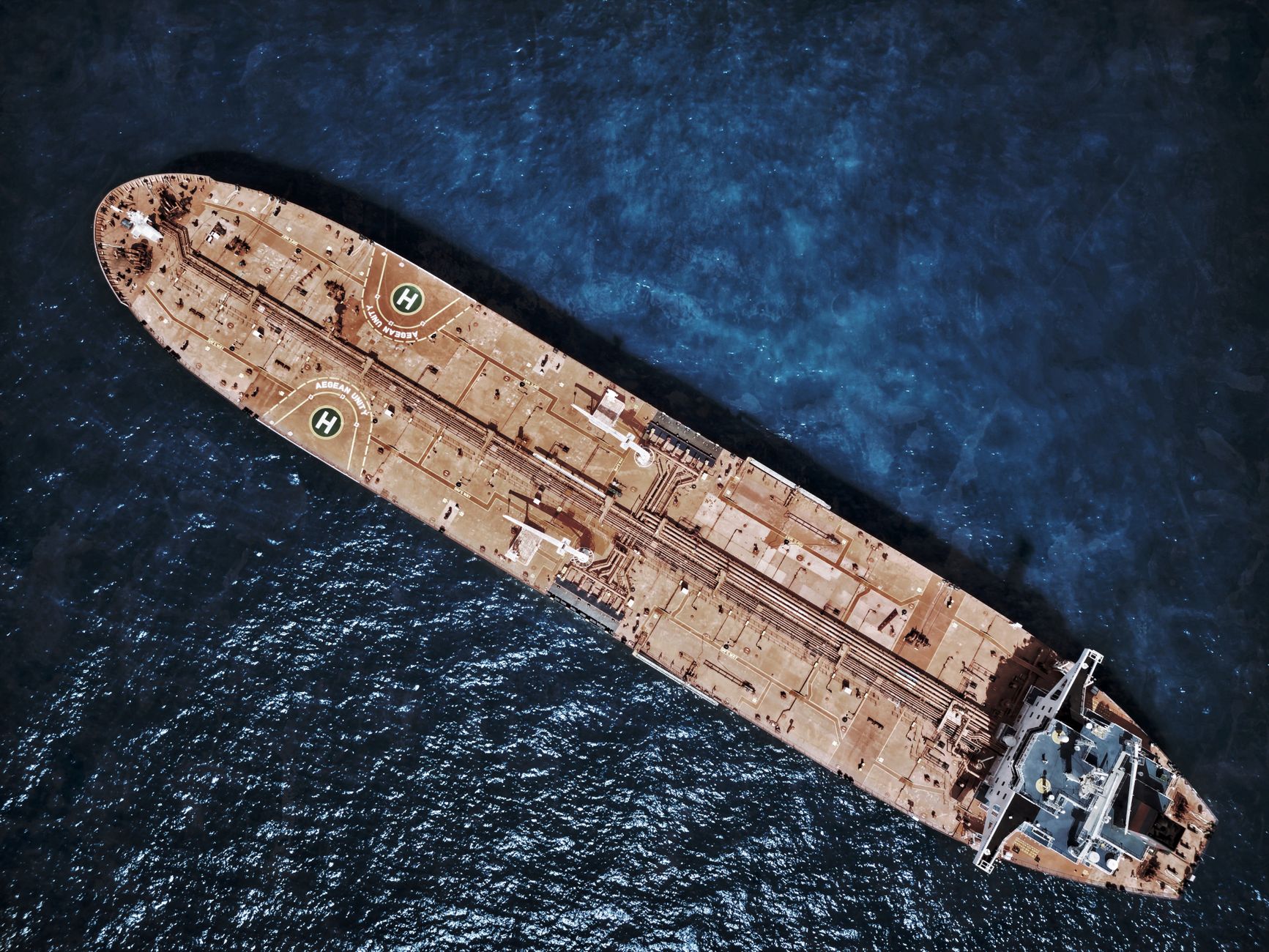
The price of oil just got a jolt of adrenaline. Yemen's Iran-backed Houthis claim they put a hole in a Saudi tanker, and the market reacted the only way it knows how: up. Brent crude climbed more than 2% on Wednesday, and the smell of gunpowder is back in the air.
Let's be clear about what happened. The Houthis say they struck a Saudi Arabian oil tanker in the Red Sea. That's not a drill. That's a direct hit on the world's most vital energy artery. The Red Sea isn't just a pretty stretch of water — it's the highway for about 12% of global oil shipments. When someone starts taking potshots at tankers there, every barrel of oil on the planet gets nervous.
But here's the thing. The market's reaction — a few percentage points of gain — doesn't capture the real story. The real story is about how quickly a localized conflict can turn into a global economic headache. And how we keep pretending it won't happen to us.
A Target on the World's Oil Lifeline
The Houthis have been launching missiles and drones at Saudi infrastructure for years. They've hit airports, pipelines, and even oil facilities at the heart of the Saudi economy. But a tanker in the Red Sea is a different beast. It's not just Saudi Arabia's problem. It's a problem for every country that depends on oil that moves through that narrow strait.
The Bab el-Mandeb strait, the southern entrance to the Red Sea, is a choke point that makes the Suez Canal look like a backyard ditch. More than 6 million barrels of oil pass through it every day. That's nearly 7% of global supply. And it's not just oil — it's goods, containers, and the lifeblood of world trade.
When the Houthis claim they hit a Saudi tanker, they're not just sending a message to Riyadh. They're telling the world: we can touch your supply lines whenever we want.
Why the Market Isn't Panicking (Yet)
Oil prices rising 2% is a shrug, not a scream. For context, when drones hit Saudi's Abqaiq processing facility in 2019, prices spiked nearly 15% in a single day. So why the muted reaction now?
First, there's no confirmation that the tanker was actually damaged. The Houthis claim it, but Saudi Arabia hasn't confirmed. And in a world of cheap propaganda, claims are just words until proven otherwise.
Second, the global oil market is awash in supply. OPEC and its allies have been pumping like there's no tomorrow. The U.S. is producing record amounts of shale. There's a strategic stockpile waiting in the wings. So a single tanker strike, even if real, doesn't immediately threaten physical supply.
And third, traders have grown numb to Houthi threats. They've been at this for years, and the world hasn't run out of oil yet. Familiarity breeds complacency, and complacency can be deadly in this game.
But here's what the market isn't pricing in: the possibility that this isn't an isolated incident, but the opening salvo of a coordinated campaign.
The Escalation Trap
The Houthis aren't acting alone. They're funded, armed, and directed by Iran. And Iran is in the middle of a high-stakes chess match with the West over its nuclear program. Every time negotiations stall, someone lights a match somewhere in the Middle East to remind everyone who holds the cards.
A strike on a Saudi tanker in the Red Sea is a message from Tehran. It says: we can disrupt global energy markets without firing a single missile at an American warship. We can do it through our proxies. And we can do it in a way that makes it hard to retaliate without escalating a regional war.
The Saudis are in a bind. If they strike back hard against the Houthis, they risk dragging the entire region into a broader conflict. If they do nothing, they look weak and invite more attacks. Either way, the Red Sea becomes a more dangerous place for shipping.
And it's not just Saudi Arabia. The U.S. has naval assets in the region. So do European powers. A single miscalculation — a missile aimed at a tanker that actually hits a U.S. warship — could turn a proxy skirmish into a full-blown international crisis.
The Human Cost Behind the Headlines
We talk about oil prices and supply chains, but let's not forget the people on those tankers. Sailors from India, the Philippines, and other nations risk their lives every day in these waters. They're not diplomats or soldiers. They're just doing a job, hoping to get paid, hoping to make it home to their families.
One missile can change that forever. And when it does, it's not just a market blip — it's a tragedy that unfolds in real time, with widows and orphans left to pick up the pieces.
Tensions in the region are already at an all-time high. Saudi Arabia has been fighting the Houthis for over a decade, and peace talks have collapsed more times than I can count. Every failed negotiation brings us closer to the edge of a cliff, and the Houthis are driving with their eyes closed.
The Bottom Line: We're Sleepwalking Toward a Shock
The oil market's reaction on Wednesday was a yawn. But history is littered with yawns that turned into screams. The 1973 oil embargo, the 1990 Gulf War, the 2003 Iraq invasion — all of them started with small events that the market initially shrugged off.
This tanker strike might be nothing. It might be a missile that missed its target. But it might also be the first spark in a fire that consumes the region. And if that happens, the 2% gain we saw today will look like a distant memory.
So here's the question that should haunt every trader, every policymaker, and every driver filling up their car: Are we prepared for the next disruption? Or are we just going to keep pretending that violence in the world's energy heartland isn't our problem?
The Houthis just fired a shot across the bow. The question is whether we're paying attention — or just turning up the radio.