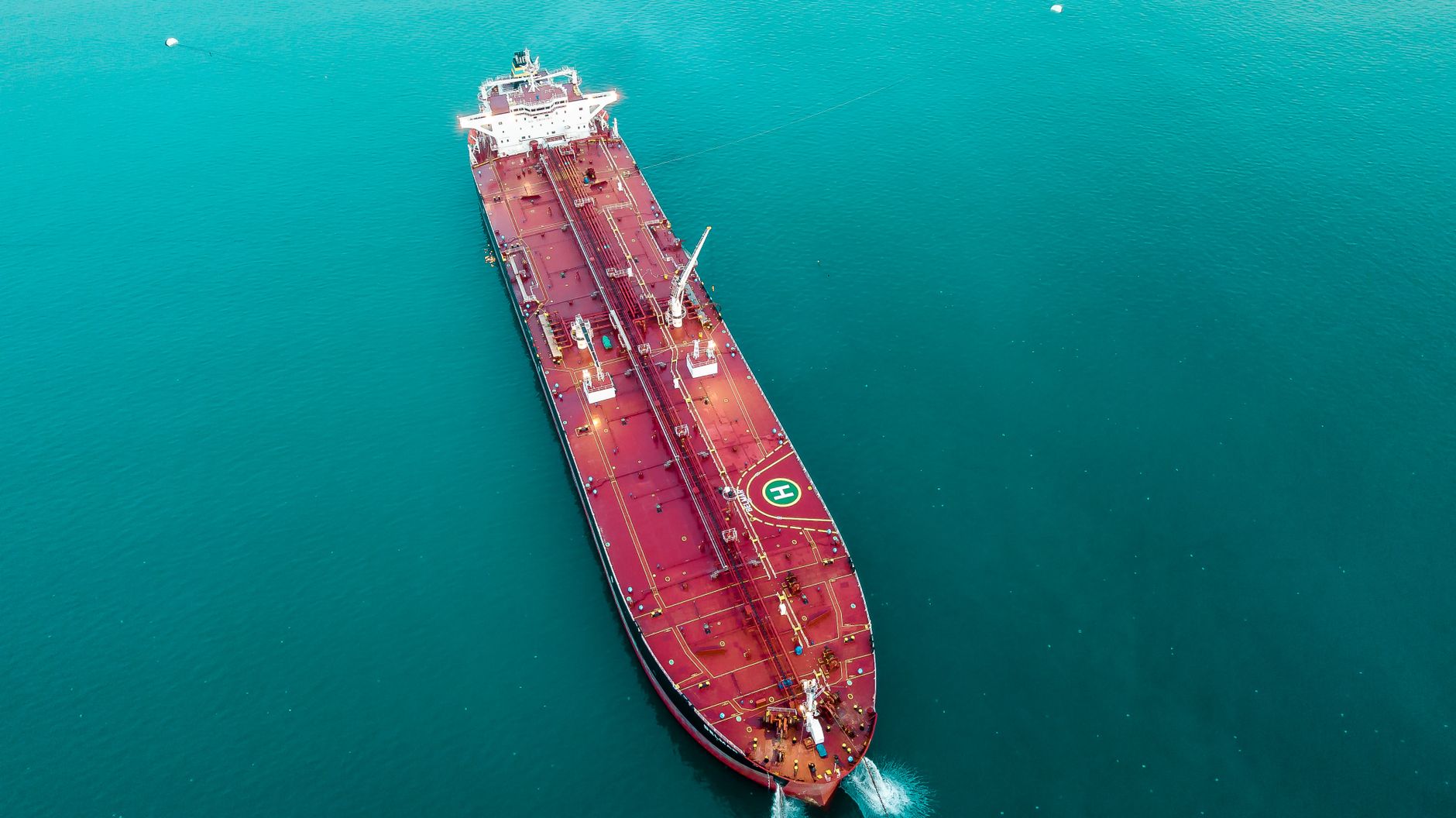
They came in a steady stream on Saturday — 42 ships, by the last count, sliding through the narrow throat of the Strait of Hormuz. Tankers packed with crude, container ships stacked high, bulk carriers riding low in the water. It was a number that would have been unremarkable two years ago. Now it's a headline.
The strait — that 21-mile-wide choke point between Iran and Oman — had become a graveyard of commerce. For months, the world watched as speedboats swarmed, missiles flew, and mines drifted. Insurance rates spiked. Shipping lines rerouted around Africa, adding weeks and millions to every voyage. The global economy took a body blow.
But on June 19, the US and Iran signed a deal. Not a handshake on the White House lawn — this one was brokered in Oman, sealed in whispers, and announced with the kind of cautious language that suggests no one trusts it to last. Still, for now, the guns are silent. And the ships are back.
The Numbers That Tell the Story
Saturday's tally of 42 transits isn't just a recovery — it's a flood. In the final weeks before the ceasefire, that number had cratered to single digits. Some days, zero. The strait, which normally sees about 20 million barrels of oil per day, had become a bottleneck of fear.
The rebound is sharpest in oil tankers. Since the deal took effect, crude flows through the strait have climbed to 14 million barrels per day — still below the pre-war average of 17 million, but a hell of a lot better than the 4 million the strait saw during the worst weeks of the conflict. Analysts at Vortexa, the tanker-tracking firm, are calling it a 'return to viability.'
But don't pop the champagne yet. Every ship captain I've spoken to says the same thing: the insurance is still punishing. The risk hasn't vanished — it's just been downgraded from 'uninsurable' to 'expensive.'
'We're watching the radar like hawks,' a tanker master told me by satellite phone. 'The deal is paper. The sea is still the sea.'
How the Deal Works — and What It Doesn't Fix
The agreement, as best as anyone can describe, is a three-tiered handshake. First, Iran halts its naval harassment and mine-laying operations in the strait. Second, the US Navy reduces its patrols and lifts the most aggressive sanctions on Iranian oil exports. Third, both sides submit to a monitoring mechanism run by Oman and Qatar.
The details are maddeningly vague. Neither side has published the full text. What we know comes from briefings — and the briefers are careful. 'It's an interim arrangement,' a State Department official said. 'Not a peace treaty.'
That interim quality is the rub. Iran's foreign minister called it 'a pause, not a solution.' The US national security advisor said it 'buys time for broader negotiations.' Both sides are looking at each other over the barrel of a gun — they've just agreed to lower the hammers.
The big question is whether the deal will hold long enough to rebuild trust. And trust in the Gulf isn't measured in years. It's measured in tanker transits.
The Ripple Effect on Global Markets
Oil prices, which had been yo-yoing between $80 and $110 a barrel throughout the war, settled around $92 on Monday. That's not a collapse — it's a sigh of relief. But ask any trader and they'll tell you: the calm is provisional. The real test will come when a single incident — a stray drone, a mistaken boarding — threatens to unravel everything.
Shipping rates, meanwhile, have dropped 30% for routes that pass through the strait. That's a direct saving for every company that moves goods between Asia, Europe, and the Gulf. Container lines that had been sending vessels around the Cape of Good Hope are already rerouting back through Suez and Hormuz.
But here's the thing that keeps me up at night: the war in the Strait of Hormuz was never just about the strait. It was a proxy fight between Iran and the US, yes. But it was also a stress test for the entire global trading system. And that system — fragile, interconnected, underinsured — passed the test, but barely. One more war, one more blockade, one more act of sabotage, and the whole thing could snap.
The Human Cost of a Closed Strait
Behind the numbers are real people. The sailors who spent months at anchor, waiting for the fighting to stop. The port workers in Fujairah who lost jobs when traffic dried up. The families of the 17 seafarers killed by missile strikes — three of them on a cargo ship called the MV Ocean King, which went down in February.
I met a third engineer from that ship, a Filipino named Rico, at a seafarers' center in Dubai last month. He was still shaky. 'We were just carrying grain,' he said. 'Grain. What kind of war hits grain ships?'
The answer: the kind of war where everyone is a target. The kind of war where the Strait of Hormuz becomes a weapon. The kind of war that the deal has paused — but not ended.
No Guarantees, Just a Window
The ships are back in the Strait of Hormuz. That's the good news. But if you're a shipping executive looking to lock in long-term charters, or an oil trader pricing futures for next winter, or a sailor about to transit those waters — you know the deal could dissolve overnight.
There are hawks in Washington who already want to pull out. There are hardliners in Tehran who never wanted to sign. And there are 42 ships on Saturday — but what about next Saturday?
The only thing certain is that the world can't afford to go back to the way things were. The global economy runs on oil, and oil runs through Hormuz. When the strait closes, the lights go out — not all at once, but slowly, expensively, painfully.
So watch the tanker count. Watch the insurance rates. Watch the statements from Oman. And pray that this deal isn't just a pause — because a pause is better than nothing, but it's not peace.