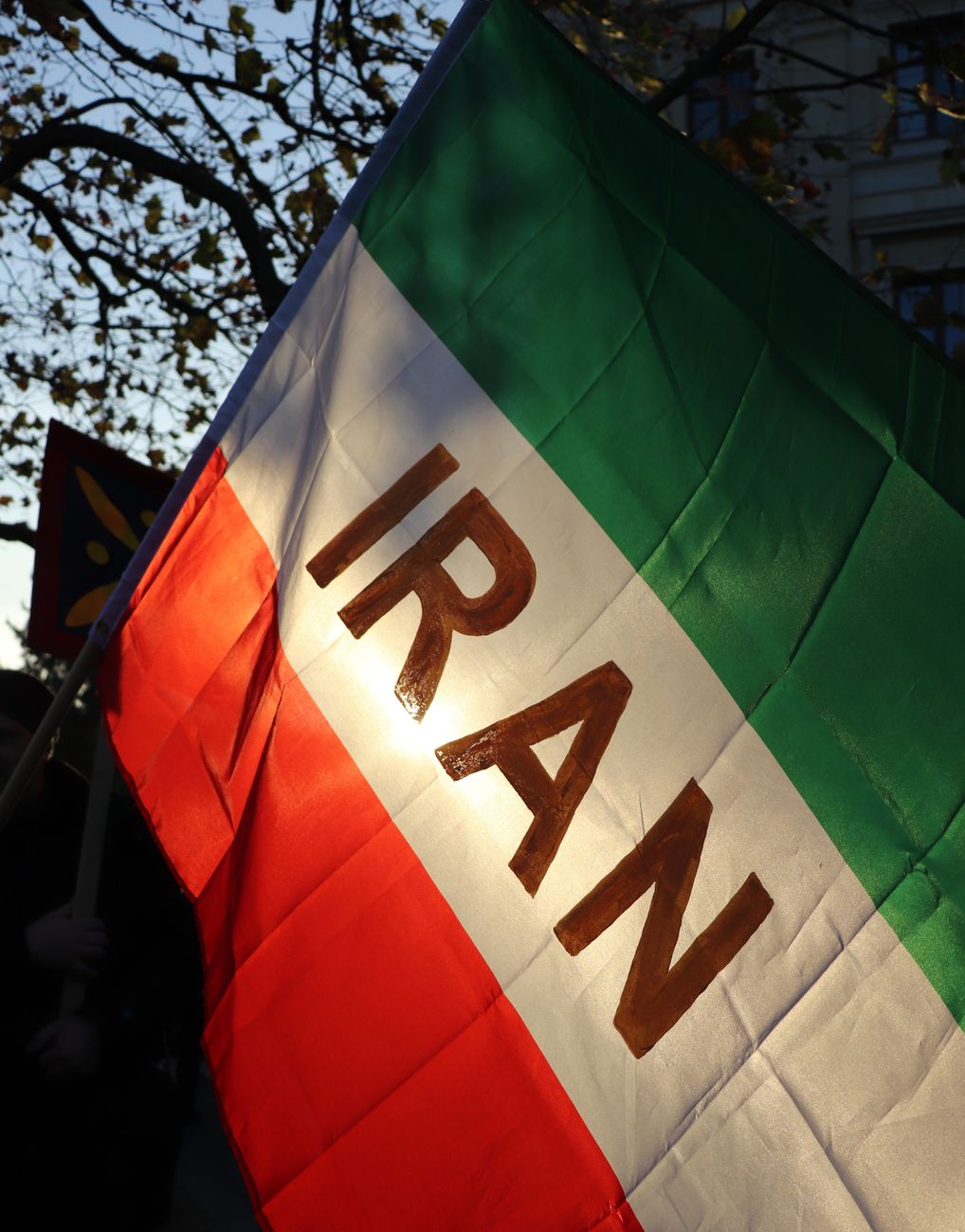
The air in Geneva smelled like stale coffee and cautious optimism. For three days, Iranian and American delegations traded proposals across polished tables, with Swiss diplomats playing referee. By Friday evening, they'd hammered out a framework — but left a bomb ticking in Beirut.
Let's cut through the diplomatic fog. The talks produced real movement on two fronts: Iran's nuclear program and sanctions relief. But the elephant in the room — Hezbollah's arsenal and Lebanon's fragile state — barely got a mention. And that, say experts, could sink everything.
What Actually Got Done
First, the wins. Tehran agreed to cap uranium enrichment at 3.67 percent — well below weapons-grade. In return, Washington pledged to unfreeze $6 billion in Iranian assets held in South Korean banks. Both sides also committed to a 60-day implementation window, with the International Atomic Energy Agency (IAEA) getting expanded inspection access.
"This is more than a photo op," said Vali Nasr, a former State Department advisor. "The enrichment cap is verifiable. The money transfer is real. But the devil is in the deadlines."
"The enrichment cap is verifiable. The money transfer is real. But the devil is in the deadlines." — Vali Nasr
Still, skeptics note that Iran has a history of playing games with inspectors. The 2015 JCPOA collapsed partly because of access disputes. This time, the IAEA gets to visit Fordow and Natanz within 30 days. If they find something they don't like, the whole thing could unravel.
The Sanctions Puzzle
The $6 billion figure sounds enormous, but it's a drop in the bucket. Iran's economy has been strangled by sanctions since 2018. Unemployment hovers around 30 percent. Inflation has eaten the rial alive.
"Six billion won't fix that," said economist Djavad Salehi-Isfahani of Virginia Tech. "It's a band-aid, not a cure. The real issue is oil sanctions. Until those go, Iran's economy stays on life support."
The deal doesn't touch oil exports. Not yet. Both sides agreed to "further discussions" — diplomatic code for "we'll kick this can down the road." And that road is littered with political landmines, especially in an election year.
Lebanon: The Uninvited Guest
Here's where it gets messy. Hezbollah, Iran's most powerful proxy, wasn't at the table. But its shadow hung over every conversation. The group holds Lebanon's government hostage, literally and figuratively. Its missile arsenal — estimated at 130,000 rockets — is aimed directly at Israel.
"You can't separate Iran's nuclear program from its regional ambitions," said Randa Slim, a senior fellow at the Middle East Institute. "The talks in Switzerland conveniently ignored that. But Israel won't."
Israel's Prime Minister has already called the deal "a capitulation to terror." He's threatened unilateral action if Hezbollah isn't disarmed. And Lebanon? It's broke, leaderless, and sitting on a powder keg.
"You can't separate Iran's nuclear program from its regional ambitions. The talks in Switzerland conveniently ignored that. But Israel won't." — Randa Slim
Last week, masked gunmen in Beirut kidnapped a Swiss diplomat. The act was a message: Iran's proxies aren't going away. And any deal that pretends otherwise is built on sand.
What Happens Next
The 60-day clock starts now. If both sides stick to their word, the IAEA will certify compliance by August. Then comes the hard part: negotiating a comprehensive agreement that includes oil sanctions and regional security.
But the real deadline is November 3 — U.S. election day. If a new administration takes over, this whole thing could get tossed. Iran knows that. So do the Europeans, who've been sidelined in this process.
"Europe is furious," said a senior EU diplomat who spoke on condition of anonymity. "We're the ones who'll have to enforce this, but we weren't even in the room."
France, Germany, and the UK have their own concerns. They want Iran to stop ballistic missile tests and end support for Houthi rebels in Yemen. None of that is in the Switzerland text.
The Bottom Line
This deal is a stopgap, not a solution. It buys time, maybe six months, maybe a year. But time for what? For Washington to find a permanent fix? For Tehran to outlast the sanctions? For Lebanon to explode?
The answer is probably all three. And that's what makes this moment so dangerous. Everyone walked away from Geneva claiming victory. But in the Middle East, victory is just another word for the next war.
The Swiss diplomat is still missing. Hezbollah's rockets are still in their silos. And the clock is ticking.