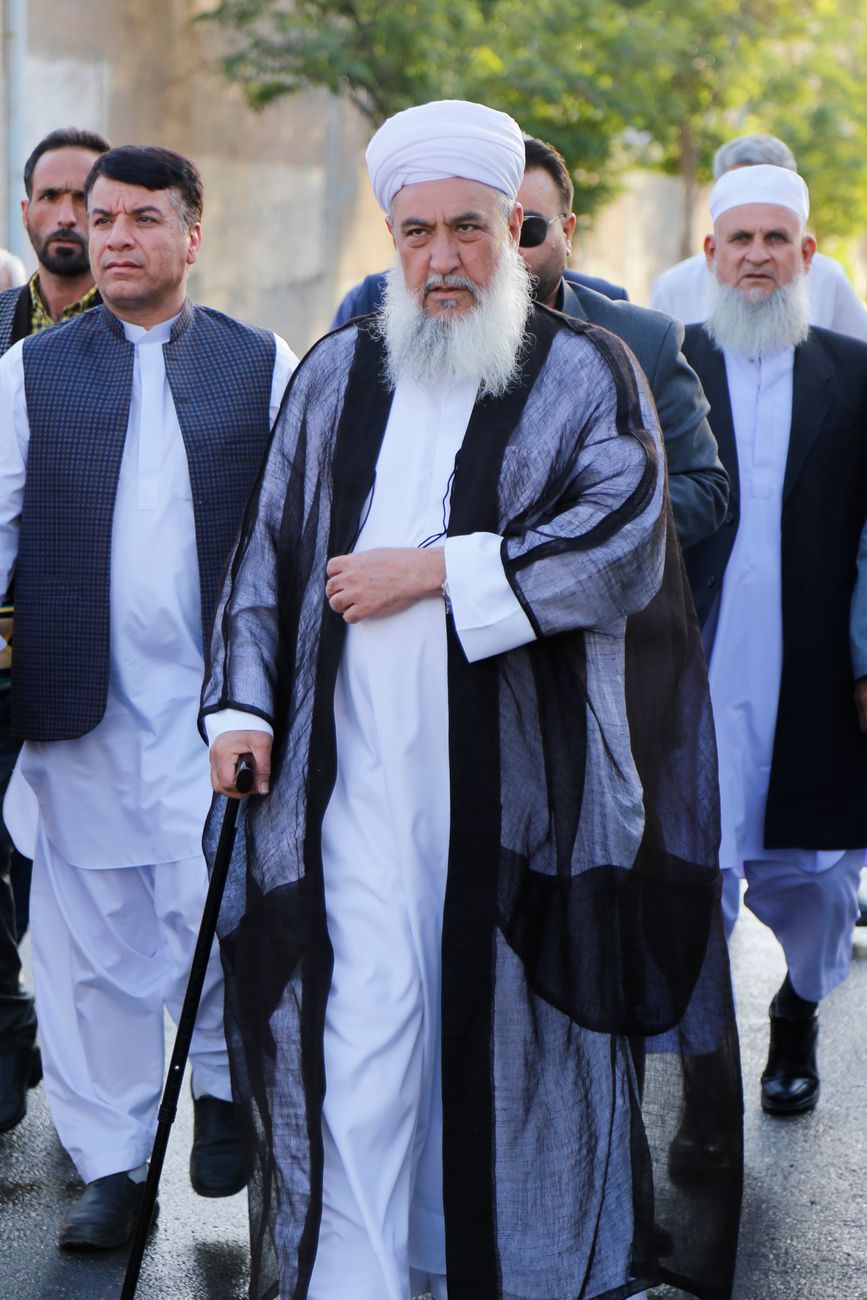
ISLAMABAD — The tarmac at Benazir Bhutto International Airport looked more like a red carpet at the Oscars than a diplomatic arrival. Iranian President Masoud Pezeshkian stepped off the plane, and Pakistani officials practically tripped over themselves to shake his hand. This wasn't just a state visit. This was a victory lap.
Pezeshkian landed in Pakistan hours after finalizing what many called impossible: a framework agreement with the United States, ending decades of hostility. And Pakistan? It played the unlikely matchmaker. The talks, held in secret in Switzerland, were mediated by Pakistani intelligence chief Lt. Gen. Asim Munir. The result: a phased removal of sanctions and a freeze on Iran's nuclear enrichment. Not bad for a country often dismissed as a chaotic mess.
The Backchannel That Changed Everything
Let's not pretend this happened overnight. For months, rumors swirled about backchannel talks. The UAE offered. Oman volunteered. Even Iraq tried. But Pakistan, of all places, pulled it off. Why? Because Pakistan has something the others lack: credibility with both sides. It's a nuclear state that's fought terrorists alongside the US, yet it shares a porous border and deep cultural ties with Iran. When Washington needed a whisper network, Islamabad answered.
The Swiss talks were so secret that even the Iranian foreign minister was kept out of the loop until the final round. Pezeshkian, a relative moderate elected on a promise of détente, trusted the Pakistani channel. That trust paid off. The deal includes a US commitment to unfreeze $6 billion in Iranian assets and a halt to new sanctions. In return, Iran agreed to IAEA inspections and a 60% cap on enrichment. It's not the nuclear deal of 2015, but it's a life raft in a sea of tension.
“This is the biggest diplomatic win for Iran since the JCPOA. Pakistan just became the Middle East's new power broker.” — Vali Nasr, Johns Hopkins University
Pakistan's Risky Bet
For Pakistan, this is a gamble. The US isn't exactly popular in Islamabad's streets. Drone strikes and aid cuts have soured relations. But Prime Minister Shehbaz Sharif saw an opportunity: broker peace, and maybe get some of that aid restored. More importantly, Pakistan needs stability on its western border. A hostile Iran means a two-front nightmare with India in the east. Peace with Tehran frees up resources for the real enemy: the economy, which is teetering on default.
Critics call it naive. Pakistan's military, they argue, is playing with fire. Iran's proxies in Yemen and Syria won't disappear overnight. And the US could pull out of any deal as soon as a new president takes office. But for now, the optics are golden. Pezeshkian's visit includes a meeting with Sharif, a joint press conference, and a trip to the Kartarpur Corridor—a Sikh shrine that symbolically connects the two countries beyond geopolitics.
The Human Side of Sanctions
Behind the diplomacy, there's a story of ordinary people. Iranian truck drivers stuck at the Taftan border crossing for days. Pakistani traders who lost millions when sanctions hit. They're the ones who will feel the thaw most. When Pezeshkian and Sharif sign trade agreements tomorrow, it's not just about oil and gas. It's about the families who can finally breathe.
But don't expect roses and rainbows. Hardliners in Tehran are already grumbling. The IRGC views any deal with the US as a betrayal. In Pakistan, the religious right sees Iran as a Shia ally, but also a rival for influence in the Muslim world. The real test isn't the handshake—it's what happens next. Will the US Congress approve the sanctions relief? Can Iran deliver on its promises without internal revolt?
As Pezeshkian's motorcade rolled through Islamabad, crowds waved Iranian and Pakistani flags. They weren't cheering for a president. They were cheering for a future without fear. Whether that future arrives is anyone's guess. But for one afternoon, in one city, peace felt possible. And in a region that's seen too much war, that's worth a headline.