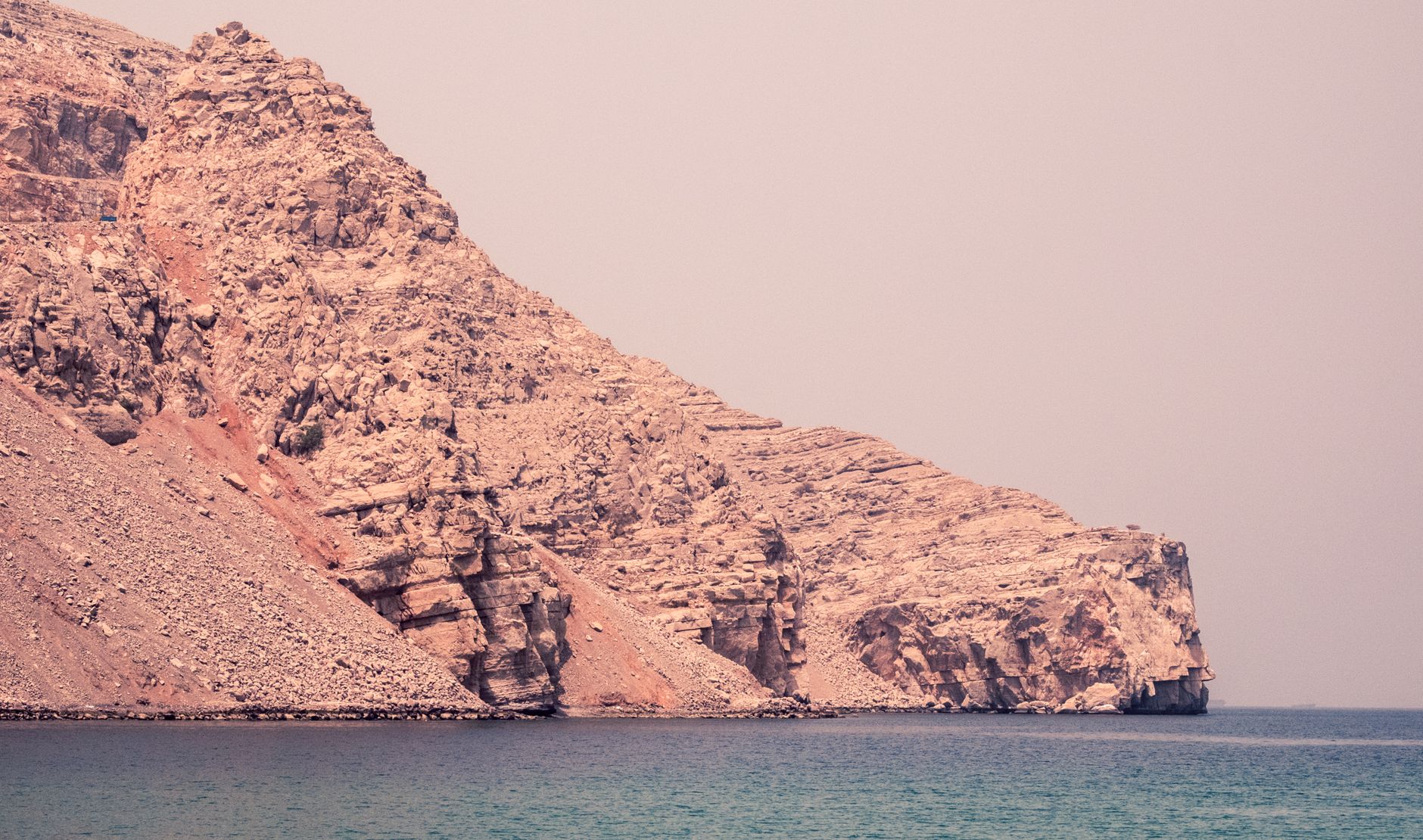
The Strait of Hormuz is the world’s most important oil chokepoint. Every day, 17 million barrels of crude slide through its waters. And for the past 48 hours, every major shipping tracker in the world has watched Iranian tankers—yes, Iranian tankers—sail right on through.
On Monday, Iran declared the strait closed. Again. A familiar script: the noise, the bluster, the threat that sends a tremor through futures markets. But this time, the props are showing. Industry trackers reported that Iranian-flagged vessels continued their usual transits even as the Islamic Republic’s officials made their announcement. The gap between rhetoric and reality has never looked wider.
Closing a waterway you can't control
Closing the Strait of Hormuz is a persistent Iranian threat, a lever Tehran yanks whenever negotiations stall or sanctions bite. In theory, Iran could mine the narrow passage, fire anti-ship missiles, or swarm a U.S. carrier with speedboats. But in practice, the strait is a highway shared by the world’s navies. The U.S. Navy’s Fifth Fleet is parked in Bahrain. A closure means war. Not a blockade—war.
Iran knows this. Which is why every “closure” in recent memory has lasted only as long as it takes for markets to blink. In 2019, after the U.S. killed Qassem Soleimani, Iran threatened the strait. Tankers kept moving. In 2023, during a round of nuclear talks, the same threat surfaced. Tankers kept moving.
This time, the farce is particularly stark. Iranian vessels are ignoring their own government’s declaration. It’s like a bartender shouting last call while still pouring drinks for himself.
Oil markets shrug—for now
Brent crude popped 1.2% on the news, then settled back within an hour. Traders have seen this movie before. The premium for war risk insurance on tankers passing through the strait barely flickered. The market is pricing in a 5% chance that Iran means it this time. Because saying you’ll close the strait and actually doing it are two different things—one is theater, the other is suicide.
“Iran’s bluff is getting old,” said Bill Farris, a veteran tanker broker in Houston. “Every time they do this, the market reaction gets smaller. At this point, the only people panicking are the interns who just started reading news alerts.”
Still, the threat carries weight for one reason: the strait is physically vulnerable. At its narrowest, it’s only 21 miles wide. Two-way traffic squeezes through a two-mile-wide shipping lane. A single mine or a well-aimed missile could snarl the flow for days. That’s why the world takes the threat seriously, even if Iran’s execution is laughable.
The logic of the empty threat
Why does Iran keep doing this? Because the cost is zero and the payoff can be real—at least for a few hours. A spike in oil prices helps a cash-starved regime. A headline about “Iran closes Strait of Hormuz” distracts from domestic unrest or a failed nuclear gambit. And if the U.S. or its allies overreact, Iran wins the narrative.
But the strategy is eroding. Persistent false alarms are turning into the oil industry’s version of the boy who cried wolf. Each new threat is met with a collective eye-roll from traders, insurers, and shipping executives who have learned to wait for the tanker tracking data before adjusting their books.
“You can’t bluff a satellite,” one shipping analyst told me. “We see every vessel, every AIS signal, every port call. The moment Iran says ‘closed,’ we look at the screens. And the screens tell the truth.”
What happens when the bluff is called?
The danger in Iran’s strategy is that one day, a real escalation will be dismissed as another bluff. That’s when things get dangerous. A mine-laying operation or a seizure of a foreign tanker could be mistaken for theater until it’s too late. The Strait of Hormuz is not a stage. The consequences of a real closure would be catastrophic: oil prices tripling, a global recession, and a naval confrontation with the U.S. Navy.
For now, though, the story is about a regime that talks big and ships oil. The tankers keep moving. The world keeps watching. And Iran keeps pretending it’s holding the cards.
The Strait of Hormuz is not a stage. But that’s how Iran treats it: a prop in a play where the actors keep breaking character.
The bigger truth
This isn't just about oil. It’s about the gap between what power looks like and what power is. Iran wants the world to think it controls a global artery. But control isn’t declared in a press release. Control is the ability to make a threat stick. And when your own tankers ignore your orders, you’re not a gatekeeper. You’re a guy yelling at a river.
The Strait of Hormuz will remain open because the alternative is unthinkable for everyone involved, including Iran. The theater will continue. The headlines will flash. And somewhere in the Persian Gulf, an Iranian captain will steer his vessel through the night, indifferent to the noise his leaders make on shore. That’s the real story.