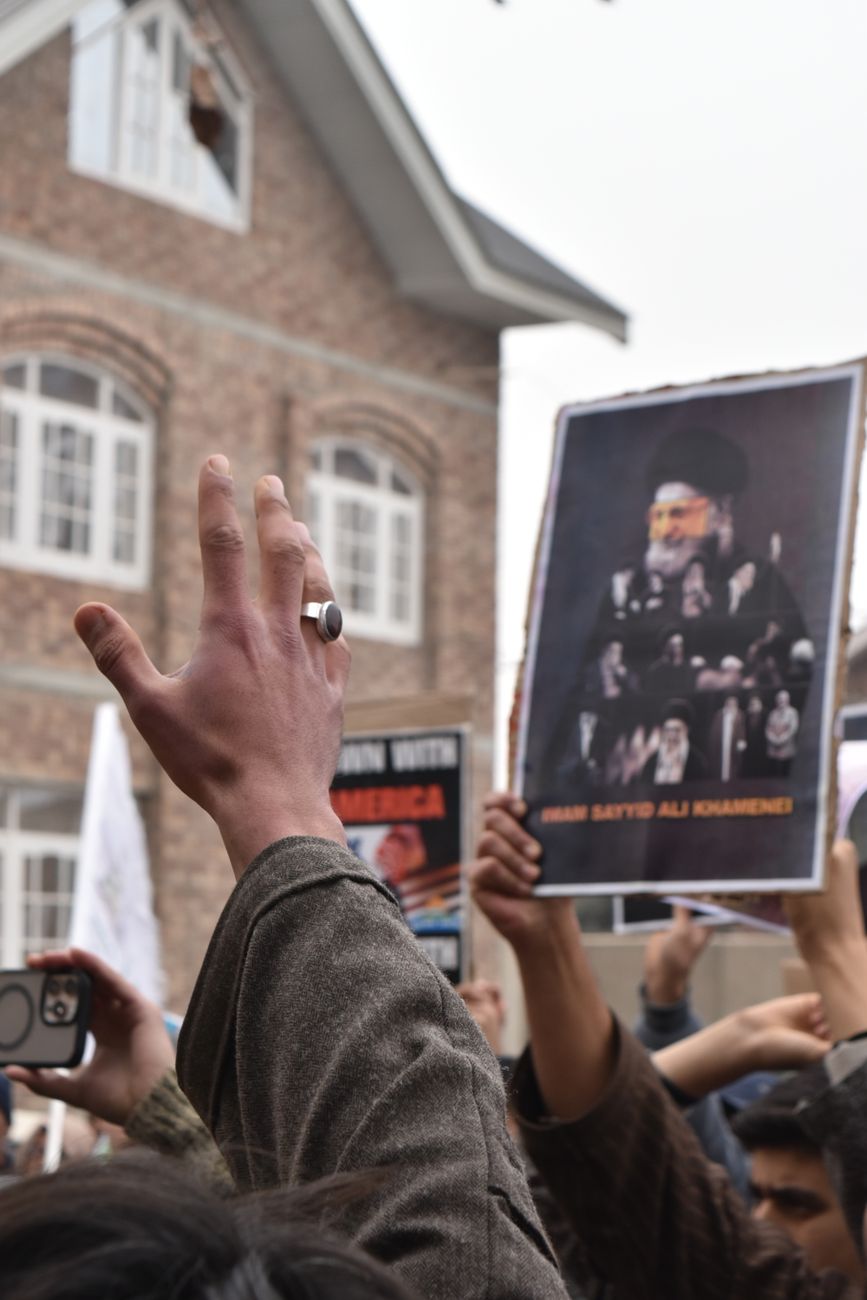
NAJAF, Iraq — The body of Iran's Supreme Leader Ali Khamenei wound through the narrow streets of Najaf on Wednesday, carried on a sea of black-clad mourners toward the golden-domed shrine of Imam Ali. It was a scene of raw grief and political theater, unfolding in the very city where the Shia faith's most revered figure is buried.
Thousands lined the route, beating their chests and chanting slogans. Some wept openly. Others climbed lampposts and balconies for a glimpse of the casket draped in the Iranian flag. The procession moved slowly, deliberately, as if time itself had stalled for the man who ruled Iran with an iron fist for 37 years.
Khamenei died on Monday at the age of 87. The official cause has not been released, but state media reported he had been hospitalized for weeks with complications from prostate cancer. His death leaves a power vacuum in Tehran — and a region bracing for what comes next.
Why Najaf?
The choice of Najaf is no coincidence. For Shia Muslims, the shrine of Imam Ali is the third holiest site after Mecca and Medina. Khamenei, as Iran's supreme leader, positioned himself as the defender of Shia Islam worldwide. Bringing his body here is a deliberate message: his legacy transcends borders.
But there's more to it. Najaf is also home to Grand Ayatollah Ali al-Sistani, the reclusive 95-year-old cleric who rivals Khamenei in theological authority. By staging the funeral in al-Sistani's backyard, Iranian officials are signaling unity — or perhaps pressuring the elder ayatollah to endorse the succession.
Al-Sistani has not appeared publicly. His office issued a terse statement of condolences, calling Khamenei "a pillar of the Islamic world." No word on whether he attended the procession.
The Succession Question
Khamenei's death sets off a scramble for power in Iran. The Assembly of Experts, a body of 88 clerics, will select a new supreme leader. The front-runner is widely believed to be President Ebrahim Raisi, a hardliner and former judiciary chief who has been groomed for years.
But Raisi is not universally loved. He faces opposition from more moderate factions who fear a consolidation of ultra-conservative rule. And there's the wild card: Khamenei's son, Mojtaba, who has been quietly building influence behind the scenes.
"The next supreme leader will be chosen in a room with no windows," said a former Iranian diplomat who spoke on condition of anonymity. "What we see in public is stagecraft. The real drama happens elsewhere."
Meanwhile, the streets of Najaf tell a different story. For the millions of Shia pilgrims who pour into this city each year, Khamenei was a symbol of resistance against the West and a champion of the oppressed. His funeral is as much a political rally as a religious rite.
Regional Fallout
Khamenei's death sends tremors across the Middle East. In Syria, where Iranian forces have propped up Bashar al-Assad's regime, commanders are on high alert. In Yemen, the Houthi rebels — armed and funded by Tehran — are bracing for a shift in support. And in Lebanon, Hezbollah has declared three days of mourning.
Israel is watching closely. The Israeli military has boosted its presence along the northern border with Lebanon, anticipating possible retaliation or unrest. The United States, which has kept a carrier group in the Persian Gulf, has urged all sides to show restraint.
"This is a moment of maximum uncertainty," said a senior State Department official. "We are in direct contact with our allies and partners. The priority is stability."
Stability, however, is a fragile commodity. Khamenei was the lynchpin of Iran's regional strategy — the man who approved proxy wars, nuclear negotiations, and domestic crackdowns. Without him, the system he built may start to fray.
The People's Grief
Back in Najaf, the crowd surges forward as the coffin passes. A young man named Hussein, 23, tells me he walked 50 kilometers from Kufa to be here. "He was like a father to us," Hussein says, his voice cracking. "Who will protect us now?"
It's a question no one can answer. Not the clerics in Qom, not the generals in Tehran, not the diplomats in New York. The funeral procession continues, winding toward the shrine, as the sun sets over the Euphrates River. The chants grow louder. The flags flutter. And Iran enters a new, uncertain chapter.