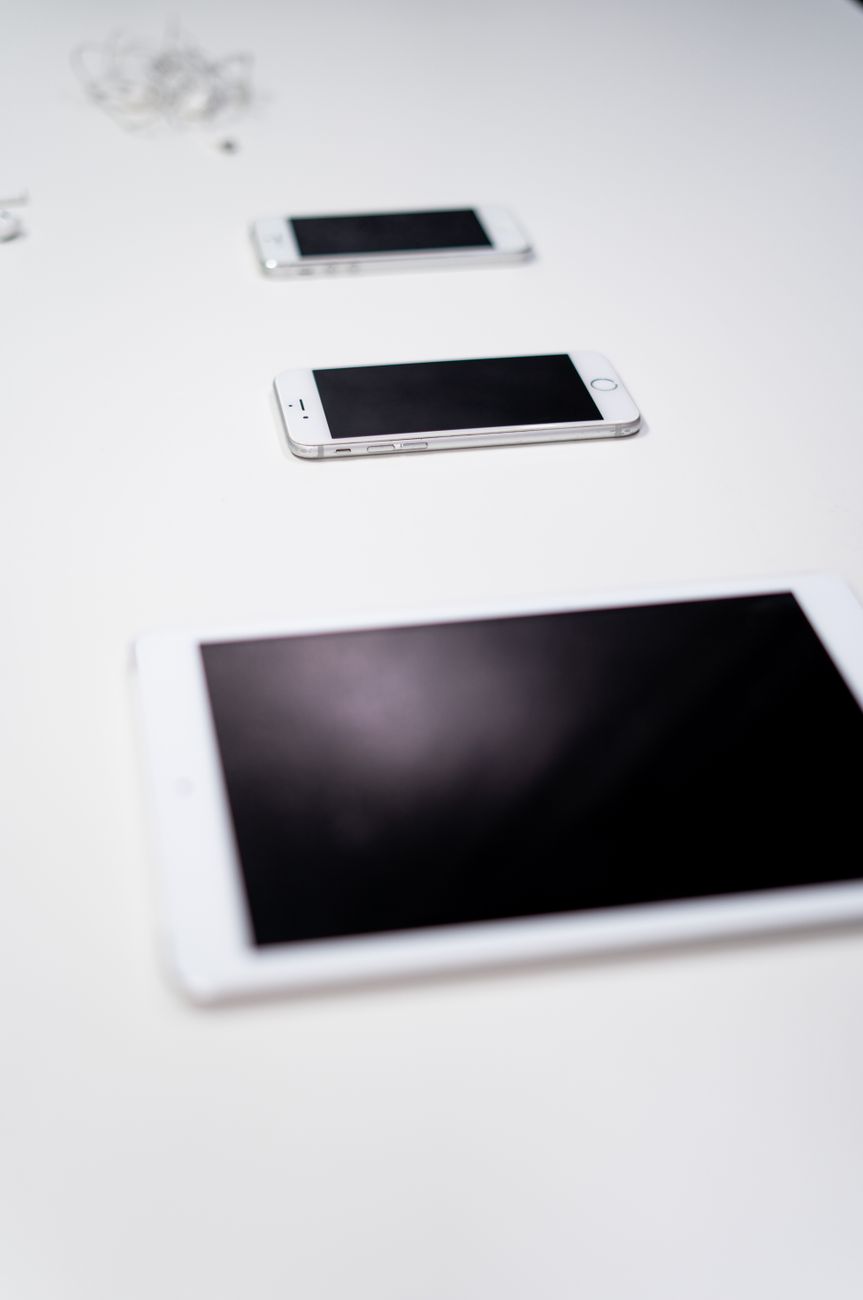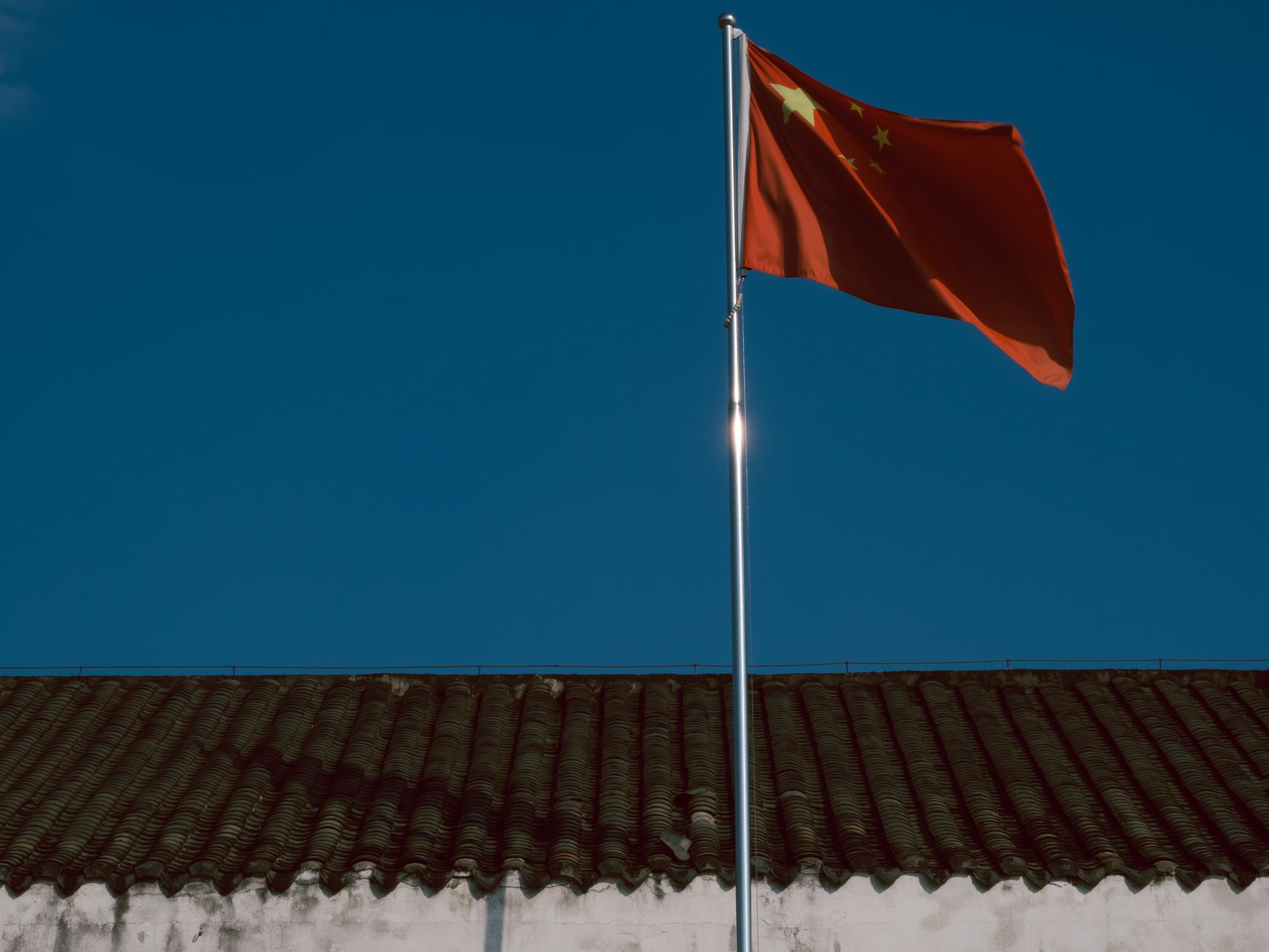
MOSCOW — The Russian government has issued an extraordinary directive: citizens should abandon iPhones and switch to Android after Apple blocked key state-run applications from its App Store. The move escalates a simmering conflict between the Kremlin and Big Tech, exposing the fragility of Russia's digital infrastructure and the limits of its attempts to build a sovereign internet.
On Wednesday, users across Russia woke to find that apps like Gosuslugi (the government's flagship portal for taxes, passports, and benefits), Sberbank Online, and the Mir payment system had vanished from the App Store. Apple cited compliance with international sanctions, but Russian officials called it a deliberate act of digital war.
“Apple has taken a hostile step against Russian citizens,” said Deputy Minister of Digital Development Oleg Kachanov in a televised address. “We recommend that all users of Apple devices consider switching to Android-based smartphones to ensure access to critical state services.” The statement, broadcast on state-run Rossiya-1, was accompanied by a list of approved Android devices — mostly Chinese brands like Huawei and Xiaomi.
Apple's Quiet Crackdown
Apple's decision didn't come out of nowhere. Since the invasion of Ukraine in 2022, the company has gradually restricted services in Russia. Apple Pay was disabled; exports of new iPhones were halted; and in 2024, Apple removed several Russian news apps over content laws. But blocking Gosuslugi and Sberbank — used by over 100 million Russians — is a punitive escalation.
“This is a surgical strike,” says Dmitry Peskov, a tech analyst at the Moscow-based Digital Rights Center. “Apple knows those apps are the backbone of daily life here. You can't pay a traffic fine, renew a passport, or even book a doctor's appointment without Gosuslugi. Blocking it isn't about sanctions — it's about making the iPhone unusable in Russia.”
The Kremlin's response was swift. Russia's communications watchdog, Roskomnadzor, warned it might ban iPhone sales entirely. A draft law circulating in the Duma would impose a 30% “digital sovereignty tax” on any smartphone that blocks Russian state apps. Meanwhile, the state-backed Alternative App Store, NashStore, announced it would host the removed apps — but it remains a clunky, poorly adopted alternative.
Android as a Political Weapon
The Kremlin's push for Android isn't just practical — it's ideological. Since 2022, Russia has poured money into import substitution, trying to reduce dependence on Western tech. Android, being open-source, allows Russian manufacturers like BQ and Aquarius to fork the OS and remove Google services entirely. The government has already certified several “clean” Android builds that pre-install Russian apps and block Western ones.
“Switching to Android is the only way to guarantee access to state services,” Kachanov said. “And in the long term, it supports our domestic electronics industry.”
But the directive ignores a glaring problem: Android phones are still overwhelmingly dependent on Western components. Qualcomm chips, Samsung screens, and Google's services (even if stripped) remain the backbone. And many Russians simply don't want to switch. iPhones are status symbols; an estimated 15% of Russia's 140 million mobile users own one, concentrated among the urban elite.
“My entire life is on my iPhone,” says Anna Petrova, a 34-year-old marketing executive in Moscow. “I use Apple Pay for everything. Now I can't even check my taxes. The government expects me to buy a Huawei? I'd rather move.” Her frustration is common. Social media has filled with complaints and workarounds — sideloading apps via enterprise certificates, jailbreaking, or buying iPhones from neighboring Kazakhstan with a clean App Store.
But those workarounds are temporary and risky. Apple can remotely revoke enterprise certificates; jailbreaking voids warranties and opens security holes. The Kremlin is already warning that using “unauthorized methods” to access blocked apps violates its digital security laws — a threat that could mean fines or worse.
A Losing Battle for Digital Sovereignty
This saga is the latest chapter in Russia's long struggle to assert digital sovereignty. Since 2014, the Kremlin has passed laws requiring data localization, created a “sovereign internet” firewall, and blocked Twitter, Facebook, and Instagram. Each step has isolated Russia further, pushing citizens into a walled garden of state-approved services.
But Apple's move exposes the limits of that strategy. You can build a firewall, but you can't force a private company to serve your citizens — especially one that answers to Washington. “Russia can't win a tech war with the West,” says Andrei Soldatov, an internet researcher and co-author of The Red Web. “It doesn't have the hardware, the software, or the talent. Telling people to switch to Android is a band-aid on a bullet wound.”
The Kremlin knows this. Behind the bluster, officials are scrambling. A source in the Ministry of Digital Development told me that the government is in talks with Chinese manufacturers to produce a “sovereign smartphone” — a device with Russian hardware, a Russian OS, and pre-installed state apps. But such a project would take years and billions of rubles — and even then, it would be a compromise on performance and prestige.
“Russia can't win a tech war with the West. It doesn't have the hardware, the software, or the talent. Telling people to switch to Android is a band-aid on a bullet wound.” — Andrei Soldatov, internet researcher
For now, ordinary Russians are caught in the crossfire. They didn't choose this war, but they're the ones paying for it — in lost convenience, higher costs, and a shrinking digital world. Apple's decision was business, not politics. But in Putin's Russia, everything is political. The iPhone, once a symbol of status and connection, has become a target.
And the Kremlin's solution — switch to Android — feels less like a solution and more like surrender. Because no matter what phone they use, Russians are learning a hard lesson: in the digital age, sovereignty is an illusion when you don't control the hardware.