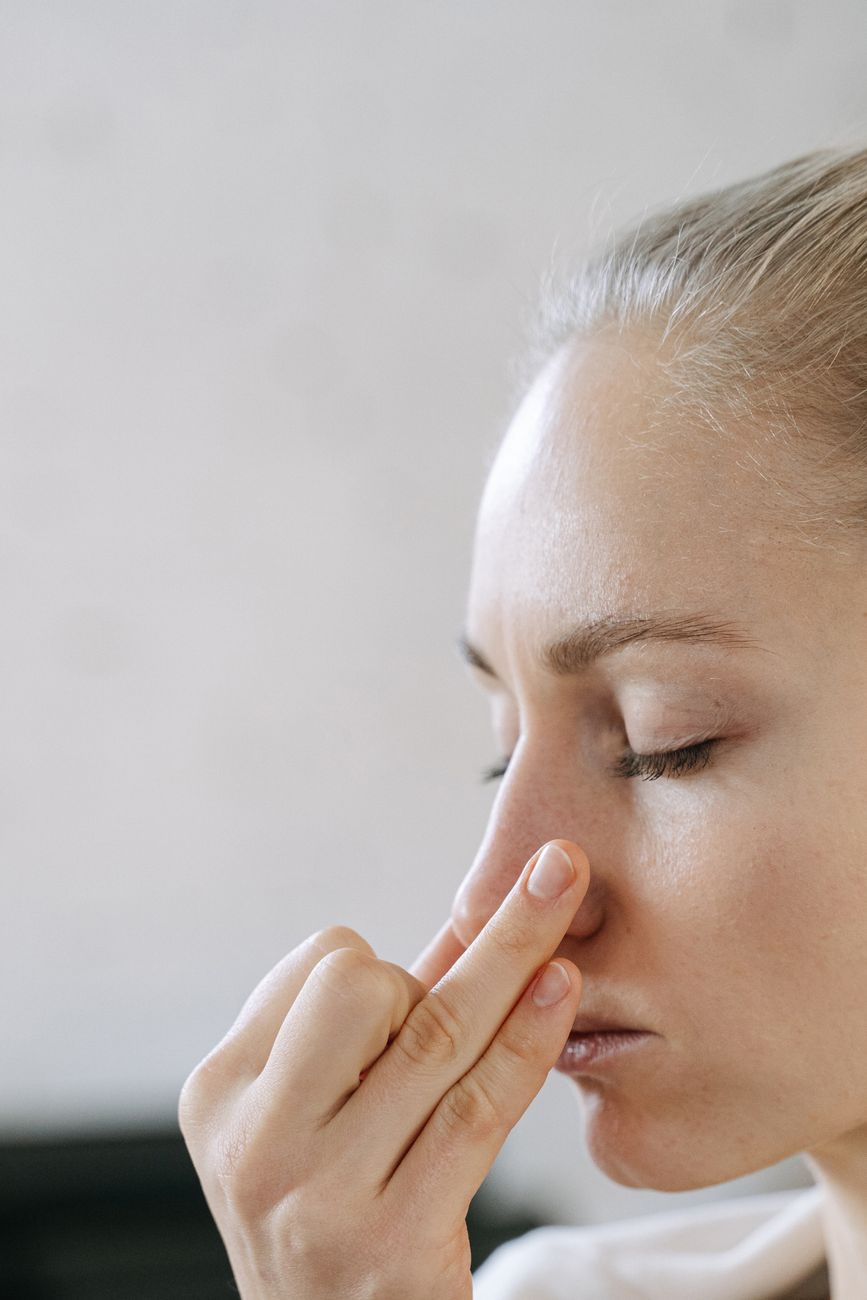
Sarah had tried everything. Lexapro, Zoloft, Wellbutrin, the names blurring into a fog of side effects and hope. Nothing worked. Her depression clung like wet wool. Then she signed up for a clinical trial. Twice, she swallowed a capsule of psilocybin – the active compound in magic mushrooms – and lay down in a sterile room with an eye mask and music. Six weeks later, she was a different person. Her depression scores had plunged by 60%. Sarah is one of the lucky ones.
On Monday, a team of researchers at Johns Hopkins University dropped a bomb on the psychiatric establishment. In a randomized, double-blind, placebo-controlled trial published in JAMA Psychiatry, they found that a single high dose of psilocybin – roughly 25 milligrams – produced a “robust and rapid” reduction in depression symptoms in patients who had failed at least two prior treatments. By week six, 58% of the psilocybin group met the criteria for remission, compared to 19% in the placebo group. The numbers are staggering. And they come with a warning label.
This Isn’t Your Roommate’s Mushroom Trip
The trial wasn’t a hippie free-for-all. Participants were screened like astronauts, given therapy before, during, and after the session, and monitored in a hospital-like setting. No dancing bears. No Grateful Dead soundtrack. The team, led by Dr. Matthew Johnson, used a rigorous protocol: two sessions, spaced three weeks apart, with trained therapists guiding the experience. The “set and setting” mantra of psychedelic research was observed religiously.
But here’s the gut punch: two participants in the psilocybin group reported severe suicidal ideation. One was hospitalized. The paper doesn’t hand-wave this. “The potential for adverse psychological reactions is real,” Johnson told reporters in a dry tone that betrayed decades of scrutiny. “This is not a drug to be taken lightly.” Yet, overall, the psilocybin group reported fewer adverse events than the placebo group – mostly due to the comparison group’s higher dropout rate from lack of efficacy. That’s a weird kind of irony: the people getting real drugs felt so much better they stayed in the study.
Why This Changes the Game
Treatment-resistant depression is a black hole. About 30% of depressives don’t respond to standard antidepressants, leaving them trapped between side effects and suffering. The pharmaceutical industry has largely abandoned the search for new mechanisms. The last major innovation was ketamine – a dissociative anesthetic that works fast but requires repeated infusions and carries abuse risk. Psilocybin, on the other hand, might work in a handful of doses.
The mechanism? It’s not the serotonin reuptake inhibition of Prozac. Psilocybin seems to reboot the brain’s default mode network – the circuit that gets stuck in negative rumination. In other words, it doesn’t just boost mood; it changes the pattern of thinking. That’s revolutionary. It also explains why the trip itself is central to the healing. People report mystical experiences, emotional breakthroughs, and a sense of connectedness. You can’t get that from a pill you take before bed.
The Catch: Regulations and Reality
Here’s where the story gets ugly. Psilocybin is still a Schedule I substance under federal law – no medical use, high abuse potential. The FDA has granted “breakthrough therapy” status, but that doesn’t mean your local CVS will stock mushroom capsules next year. The infrastructure for psychedelic therapy is expensive: trained therapists, safe settings, integration sessions. Insurance coverage? Laughable. One session can cost $1,000 or more.
And then there’s the stigma. Despite the data, many clinicians view psychedelics as party drugs. Older psychiatrists remember the psychedelic crackdown of the 1970s. They’re skeptical. “We need to be careful not to oversell,” cautioned Dr. Alan Schatzberg, a Stanford psychiatrist uninvolved in the trial. “This is small, and the effects may not last.” True: the trial followed patients for only six weeks. Long-term data is thin. But for Sarah and tens of thousands like her, six weeks of relief is a miracle.
What Comes Next
The psychedelic renaissance is real, and it’s moving fast. Oregon already has legal psilocybin therapy. Colorado is close. The FDA could approve psilocybin-assisted therapy for depression as early as 2027. But the rollout will be messy. Training programs for therapists are underfunded. Black markets are thriving. And Big Pharma is circling, trying to patent synthetic analogs that remove the “trip” – which might also remove the therapeutic effect.
The Johns Hopkins team is already planning larger, longer trials. They want to know if a maintenance dose every six months can keep depression at bay. They’re also studying psilocybin for anxiety, PTSD, and addiction. The potential is enormous. But so is the responsibility.
Sarah doesn’t care about the politics. She’s just glad she can get out of bed in the morning. For her, the mushrooms worked. The question hanging over this study is whether we, as a society, have the guts to let them work for everyone.