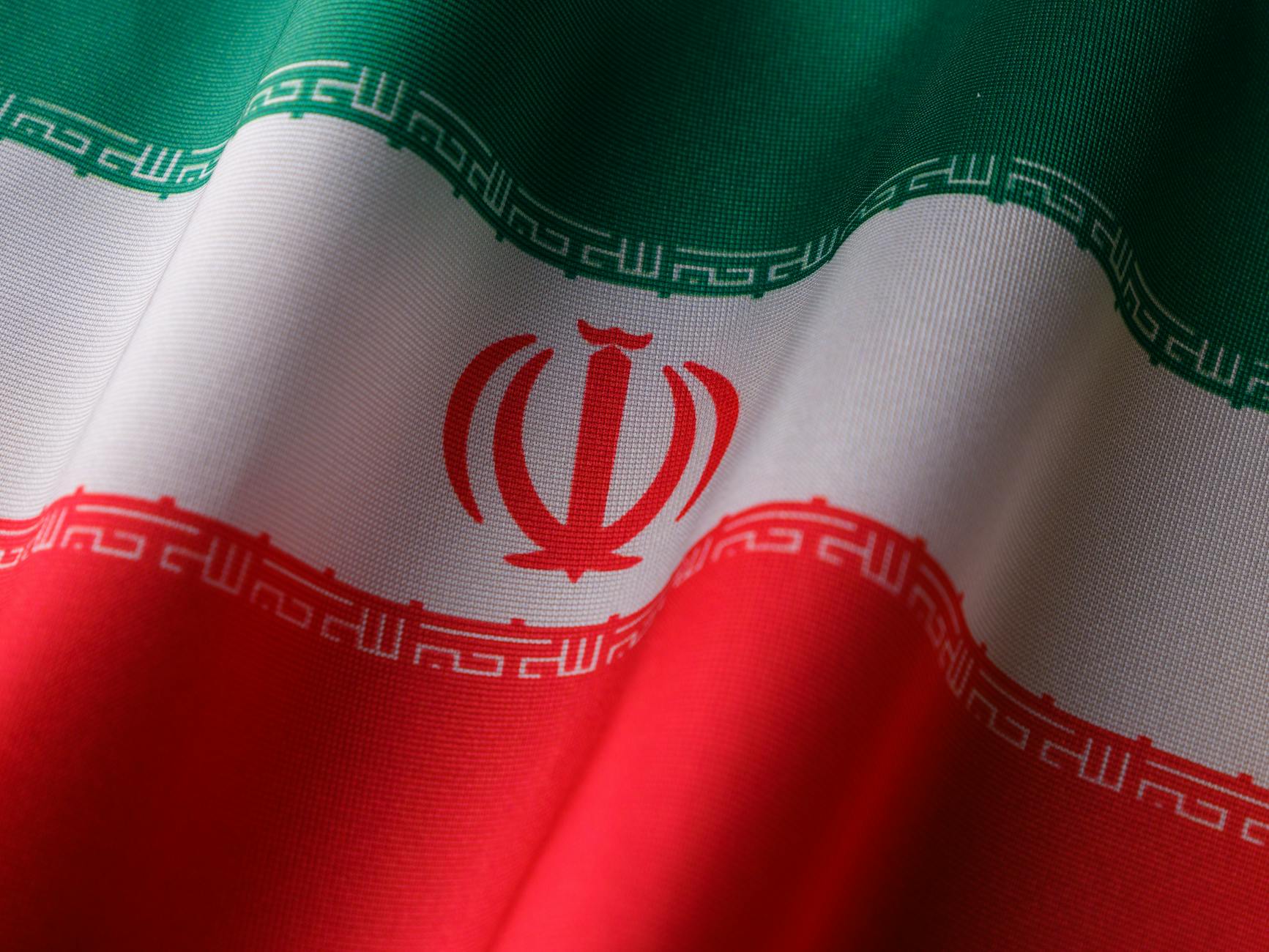
It’s a dance we’ve seen before. Iran and the US circle each other, hint at talks, release carefully worded statements. Israel watches from the wings, saber rattling. Everyone pretends progress is possible. It’s not.
Drop Site News co-founder Jeremy Scahill doesn’t mince words: “Chances are slim for progress between Iran and the US.” And he’s right. The so-called memorandum of understanding is more like a memorandum of misunderstanding.
Same Script, Different Day
Every few years, the script gets dusted off. Iran enriches a little more uranium. The US slaps on sanctions. Israel threatens strikes. Then someone floats a diplomatic initiative. The media hypes it. Experts get quoted. Nothing changes.
Why would this time be different? Iran’s leadership sees negotiation as a trap. The US demands concessions on missiles, proxies, nuclear limits — everything. Iran says: lift sanctions first, then we talk. Neither side blinks.
Scahill’s analysis cuts through the fog. The structural obstacles aren’t going away. Hardliners in Tehran benefit from tension. The US political climate punishes any deal that looks “soft” on Iran. Israel’s government — let’s be blunt — has no interest in a thaw.
US Credibility? What Credibility?
Let’s call it what it is: the US pulled out of the JCPOA once. Betrayed a multilateral agreement. Imposed maximum pressure. Iran responded by expanding its nuclear program. Now the US wants to negotiate again. Why would Iran trust a word?
The US says it wants a “stronger” deal — one that addresses ballistic missiles and regional proxies. But Iran hears: surrender your defense capabilities, then maybe we’ll talk. That’s not negotiation. That’s ultimatum.
Israel’s Unspoken Veto
Israel doesn’t sit at the table, but it’s the elephant in the room. Benjamin Netanyahu has made his position clear for decades: no deal with Iran is acceptable. He wants regime change or military action. Anything less is appeasement in his eyes.
Israeli officials have repeatedly hinted they’ll strike Iranian nuclear facilities if talks gain traction. That threat alone poisons the well. How can Iran negotiate seriously when the other side’s ally is openly planning sabotage?
Scahill gets this. He’s reported from Gaza, from the West Bank, from the region. He knows these dynamics aren’t abstract. They’re lethal.
Iran’s Red Lines — Real or Rhetoric?
Iranian officials say they’ll never negotiate under pressure. Sanctions must go first. The nuclear program is non-negotiable. Proxies? Not up for discussion. These are hard lines.
But are they real? Some analysts think Iran will eventually blink — the economy is in shambles, protests simmer. Others bet the regime values survival over relief. Scahill’s skepticism suggests the latter. If Iran caves, it loses face. If it doesn’t, it faces more pain. Neither option leads to a sustainable deal.
The ball keeps rolling downhill, but no one’s catching it.
The Saudi Wild Card
Here’s where it gets interesting. Saudi Arabia has been quietly talking to Iran — backchannel stuff, mediated by Iraq and China. The Saudis want stability. They’re tired of Yemen. They need oil prices managed.
If Riyadh and Tehran find common ground, it undercuts US leverage. Why would Iran need to negotiate with Washington if its regional rival is already cutting deals? The US might find itself irrelevant. That scares DC more than enriched uranium.
But Scahill would caution: don’t over-read these signals. Saudi-Iran talks are transactional. They won’t resolve core disputes. They just add another layer of complexity.
The Clock Is Ticking
Iran’s nuclear breakout time is down to weeks — maybe days. The IAEA says inspectors can’t verify key sites. Nobody knows exactly what Tehran has. The worst-case scenarios get worse every month.
Military action? Possible. Disastrous. Diplomatic breakthrough? Unlikely. The space for a genuine agreement is shrinking. Both sides seem content to let it collapse.
Scahill’s conclusion: “The charade continues. Neither side is serious. The memorandum of misunderstanding is just that — a misunderstanding of what diplomacy requires.”
He’s not wrong.
The tragedy is that everyone knows this. The US knows. Iran knows. Israel knows. Yet the performance goes on. Reporters file stories. Officials give briefings. Nothing changes.
Until it does. And when it does — whether through a strike, a collapse, or a surprise deal — don’t say no one saw it coming. Some of us were watching. And we knew the script all along.