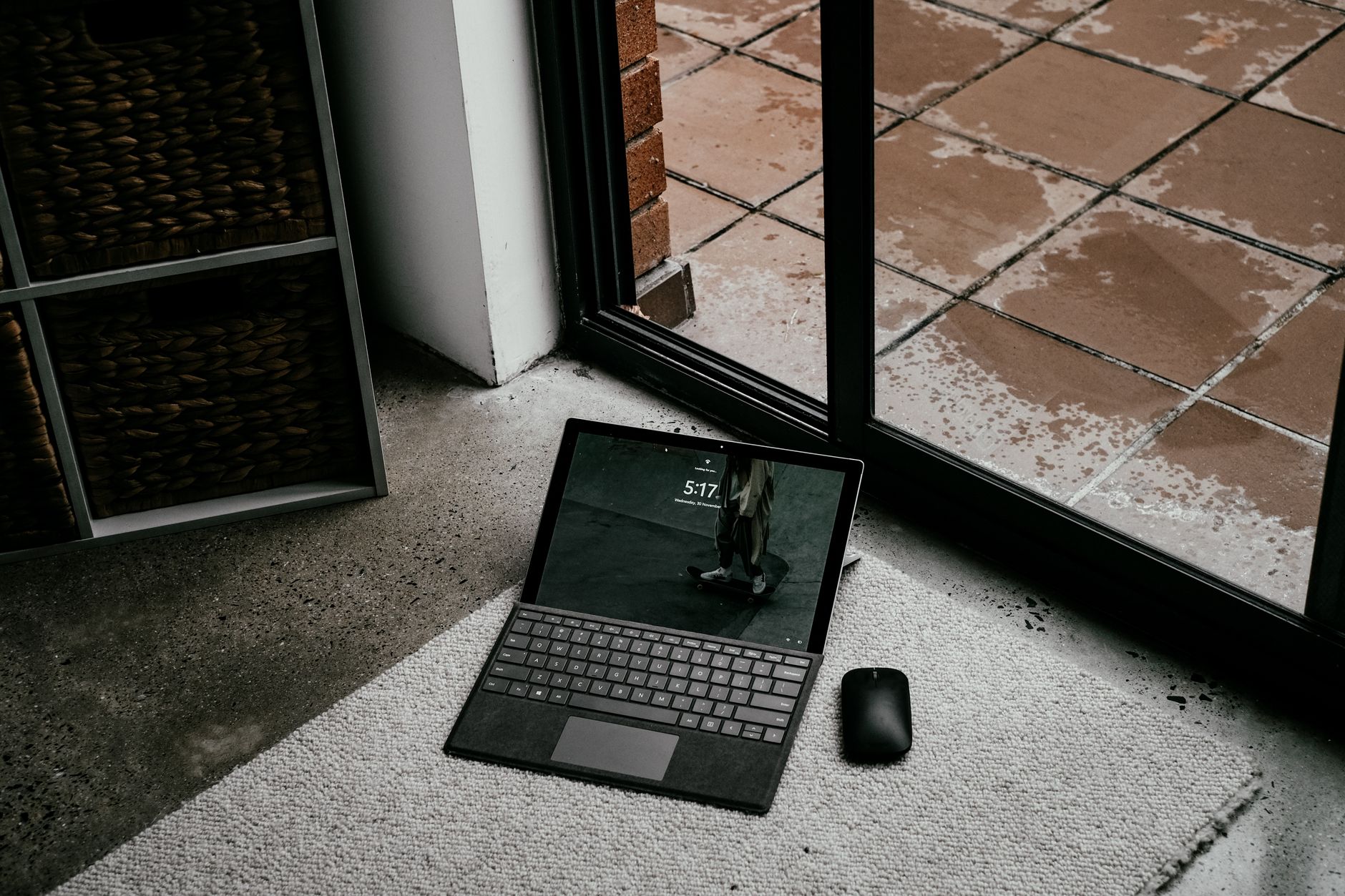
Microsoft just gutted its flagship Surface line. The new 12-inch Surface Pro and 13-inch Surface Laptop ship with 8GB of RAM—half of what you'd get in the standard models. The price drops to $849 and $949 respectively. A bargain? Only if you never open more than five browser tabs.
This move feels like 2016 all over again. Remember when Apple sold a "pro" laptop with a 5400-rpm hard drive? That's the energy here. Eight gigs of RAM in a machine marketed for productivity in 2026 is like selling a car with a 10-gallon gas tank—it'll get you to the corner store, but don't think about visiting the next town.
The Fine Print: You Get What You Pay For
Let's be clear: the cheaper Surface Pro and Laptop aren't bad devices. They're just boring. The 12-inch Pro starts at $849, which undercuts the iPad Pro by a solid $150. The Laptop at $949 slides in below the MacBook Air. Both run Windows 11, both have that premium magnesium build, and both will handle Word, Excel, and Netflix without breaking a sweat.
But here's the catch: 8GB of RAM is the minimum viable product for Windows 11. Microsoft's own system requirements list 4GB as the floor, but anyone who's actually used a modern PC knows 8GB means constant compromise. You can't run Teams, Outlook, a browser with ten tabs, and a background sync without feeling the system gasp for memory. The swap file becomes your new best friend—and your SSD's worst enemy.
Eight gigs of RAM in a machine marketed for productivity in 2026 is like selling a car with a 10-gallon gas tank.
Microsoft knows this. They're not idiots. They're targeting the education and enterprise bulk-buy market—schools that need 500 devices for students who will never run anything heavier than a browser-based LMS. For that use case, 8GB is fine. But for the consumer who wants a personal machine that lasts four years without becoming a lagging frustration? This is a trap.
The Numbers Game: Why 8GB Stings More Than Ever
Let's talk about what you're missing. The standard Surface Pro and Laptop ship with 16GB of RAM. That extra 8GB costs about $20 in components. Microsoft charges $200 more for the upgrade. That's a 900% markup on memory. They're betting you'll either buy the base model and suffer, or pay the tax to avoid suffering.
Meanwhile, Chrome eats RAM like a teenager eats pizza. A typical modern website—with its trackers, autoplay videos, and JavaScript frameworks—can consume 500MB to 1GB per tab. Open ten tabs, and you've already blown past the 8GB limit before your antivirus or system processes have taken a bite. Windows 11 itself idles around 4GB on a fresh boot. Do the math.
The Surface Laptop 13 with 8GB of RAM will feel snappy on day one. Day 365? You'll be closing apps before opening new ones. Day 730? You'll be shopping for a new laptop. This is planned obsolescence, dressed up as affordability.
The Competition: Who's Doing It Right?
Apple's M-series Macs handle memory differently—they use unified memory that's faster and more efficient. The base MacBook Air comes with 8GB, but it uses that 8GB more effectively because the CPU and GPU share the same pool. Even so, Apple is moving to 12GB on upcoming models. They see the writing on the wall.
Dell's XPS 13 starts at 16GB. Lenovo's ThinkPad X1 Carbon starts at 16GB. Even HP's budget Spectre line offers 16GB as standard. Microsoft is the only major OEM still selling a $949 laptop with 8GB in 2026. That's not innovation—it's regression.
Microsoft is the only major OEM still selling a $949 laptop with 8GB in 2026. That's not innovation—it's regression.
And don't get me started on the 12-inch Surface Pro's RAM situation. A tablet that's supposed to replace your laptop? With 8GB? The Surface Pro is marketed as a device for artists, note-takers, and road warriors. Artists run Photoshop and Illustrator. Those apps routinely use 4-6GB of RAM on their own. Add a browser for reference images, a music player, and a chat app, and you're swapping memory to the SSD before you've finished your first sketch.
The Verdict: Who Should Buy These?
If you're a school buying 500 units for students who will only use Word and a browser, go ahead. You'll save $100 per device. That's $50,000 saved—enough to buy a few teachers some decent coffee.
If you're a business issuing laptops to employees who do nothing but check email and update spreadsheets, fine. Just know they'll complain about slowness in two years.
But if you're a consumer spending your own money? Run. Skip the base model. Either pay the $200 upgrade to 16GB, or buy a competing device that doesn't nickel-and-dime you for basic RAM. You'll thank yourself when you're not cursing at a frozen screen during a Zoom call in 2028.
Microsoft's cheaper Surfaces aren't a deal. They're a dare. A dare to see how little RAM you can tolerate before you crack. Don't take the bet.