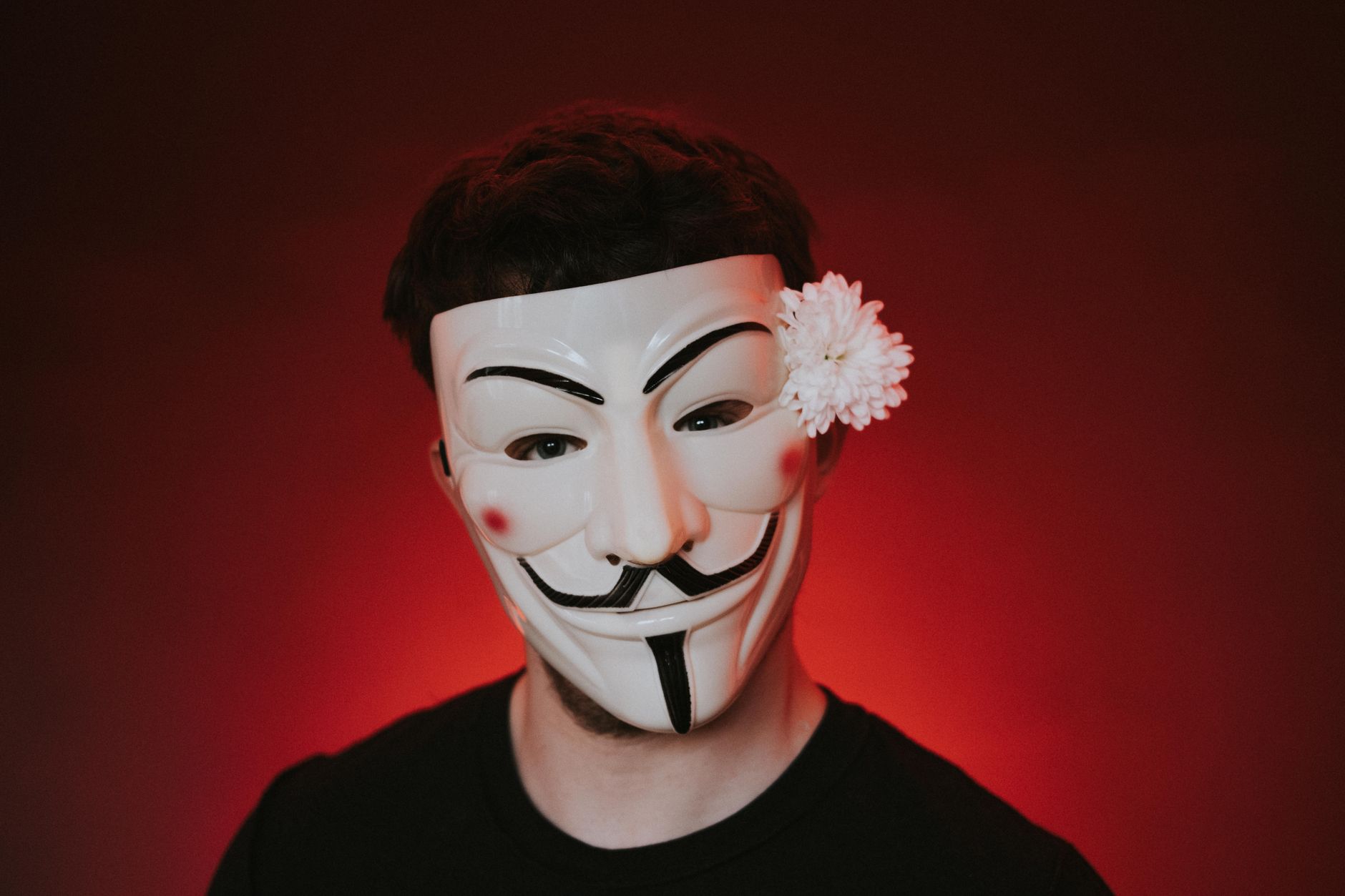
The U.S. Army spent Tuesday morning scrubbing digital graffiti off two of its official websites after hacktivists plastered them with messages calling President Trump a "pedophile" and a "thief."
The defacements, which hit what appeared to be low-traffic recruitment-adjacent pages, were detected around dawn Eastern time. By mid-afternoon, both sites were back under Army control, with nothing left of the intrusion except a few cached screenshots circulating on X.
"This is vandalism, not a data breach," said a Pentagon spokesperson who spoke on condition of anonymity because they weren't authorized to discuss the incident. "No sensitive information was compromised. We're investigating the source."
The Digital Graffiti
The hacked pages displayed a crude but deliberate message: bold black text on a white background reading "TRUMP IS A PEDOPHILE AND A THIEF" — no group name, no logo, no manifesto. Just the accusation, repeated in all caps across two .mil domains.
It wasn't subtle. But it was effective. Within hours, screenshots were bouncing around Telegram and Reddit, and the hashtag #ArmyHacked was trending in the U.S. for a brief, chaotic stretch.
"This is classic hacktivism — low skill, high impact," said Maria Torres, a cybersecurity researcher at the University of Texas who tracks politically motivated attacks. "They're not after data. They're after attention. And they got it."
Who Did It?
No group has claimed responsibility as of Tuesday evening. But the style — simple defacement, no ransom, no data theft — fits the playbook of loose collectives like Anonymous or smaller anti-Trump cells that have emerged since the 2024 election.
Torres pointed to a pattern: "We've seen a spike in symbolic attacks against government sites since the new administration took office. This is the digital equivalent of spray-painting a bridge. It's meant to embarrass, not to destroy."
The Army has not confirmed whether the attackers exploited a known vulnerability, a misconfigured server, or something else entirely. A statement released late Tuesday called the incident "a matter of ongoing investigation" and assured the public that "all affected systems have been secured."
Why This Matters
On the surface, this is a minor security hiccup — two obscure Army pages, defaced for a few hours, no data lost. But the timing and target matter.
President Trump, who took office in January 2025, has made "cyber dominance" a pillar of his national security platform. His administration has pushed for expanded surveillance powers, mandatory encryption backdoors, and a more aggressive offensive cyber posture. A defacement of U.S. military websites — even low-level ones — undercuts that narrative.
"It's embarrassing for the Pentagon, but it's a political gift for the administration's critics," said James Corrigan, a former NSA analyst now at the Center for Cybersecurity Policy. "Every time something like this happens, it reinforces the idea that the government can't protect its own networks. That's exactly what the hackers want."
Corrigan also noted that the content of the message — targeting Trump personally — is a departure from typical anti-government defacements, which usually attack institutions rather than individuals. "This is personal. That suggests a group motivated by animus toward Trump rather than generic anti-government sentiment."
The Bigger Picture
The attack comes amid a broader uptick in politically motivated cyber activity. According to the Cyber Threat Alliance, hacktivist incidents against U.S. government targets rose 34% in the first half of 2026 compared to the same period last year.
Groups like Anonymous, GhostSec, and newer entities such as "Digital Disruptors" have been more active, often piggybacking on real-world protests or political scandals. The Trump administration's aggressive rhetoric on immigration, trade, and foreign policy has provided no shortage of fuel.
But there's a cost. Each defacement, no matter how amateur, forces government IT teams to divert resources from genuine threats to clean up PR messes. "It's a distraction tax," Torres said. "They're wasting our time, and they know it."
The Army has not disclosed whether any internal disciplinary actions will follow the breach. But one thing is certain: the hackers got exactly what they wanted — a reaction.
"This is the digital equivalent of spray-painting a bridge. It's meant to embarrass, not to destroy."
What Comes Next
Expect the FBI's Cyber Division to open a case. Expect the Army to audit its web infrastructure. And expect the hacktivists — whoever they are — to claim credit eventually. They always do.
But the real question is whether this incident will spark a broader conversation about the security of .mil domains, or whether it will be dismissed as a one-off prank. History suggests the latter — until the next one hits.
For now, the Army's websites are clean, the screenshots are still circulating, and President Trump has not commented. But the image of those words — stark, angry, and undeniably public — lingers. In the digital age, a defaced website is a scar that fades slowly.