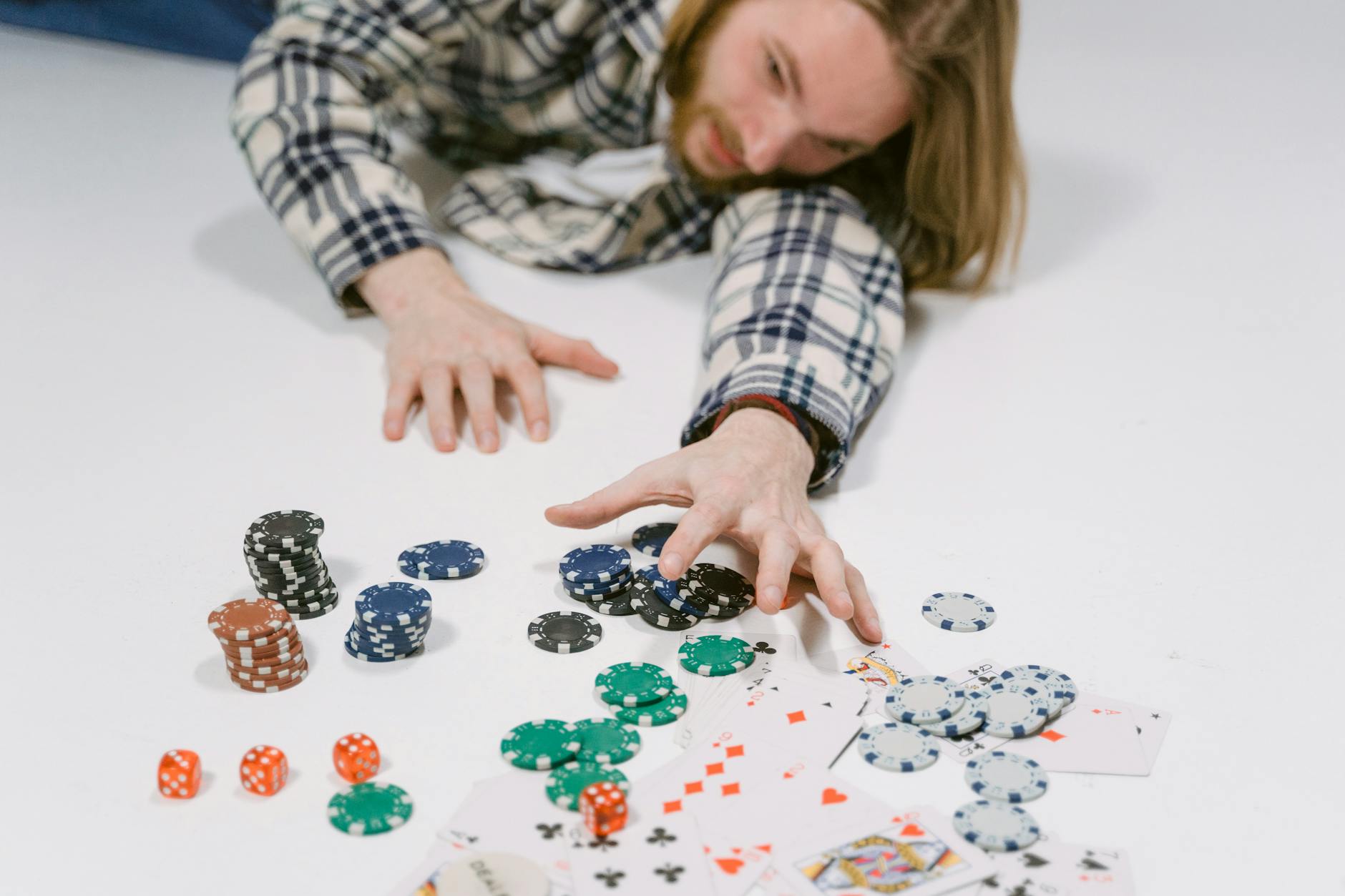
Three years ago, they were teaching AI to bluff. Now they're teaching it to trade — and hedge funds are throwing money at them. EquiLibre Technologies, a Prague-based AI shop founded by ex-DeepMinders, just crossed a $500 million valuation. The playbook? The same algorithms that crushed poker pros are now parsing market microstructure.
From Poker Tables to Trading Desks
The trio — names kept deliberately quiet, which tells you something about how these guys operate — built the infamous poker AI that cleaned out human champions in heads-up no-limit Texas Hold'em. That system mastered imperfect information: it learned to bet, bluff, and fold when the odds demanded it. Turns out, financial markets are just a bigger, messier poker game. Same logic, different chips.
“Markets are the ultimate game of incomplete information. We just swapped hole cards for order flow.” — EquiLibre insider
Their tech doesn't use traditional quant models. No Black-Scholes, no CAPM, no factor regressions. Instead, it's pure reinforcement learning: an agent that explores, exploits, and adapts in real-time. It doesn't predict prices — it predicts the behavior of other players.
The Prague Edge
Why Prague? Cheap talent, lax regulation, and a time zone that bridges London and Asia. EquiLibre poached engineers from Charles University and Czech Technical University, paying them in equity and the promise of building something that terrifies Wall Street. The firm now runs a dozen strategies across equities, FX, and crypto. Last year, their flagship fund returned 34% net of fees. Not bad for a bunch of poker nerds.
But scale is the problem. $500 million is pocket change for a quant shop. Renaissance Technologies runs $50 billion. Two Sigma, $60 billion. EquiLibre needs to prove they can handle serious capital without killing their edge. Their solution? Crowded trades. They're opening a second fund that mirrors the first, but with a higher fee structure to manage capacity. Classic hedge fund trick — limit inflows, milk the alpha.
DeepMind's Loss, Wall Street's Gain
DeepMind never quite cracked the finance nut. Their AlphaFold and Go triumphs were pure P.R. gold, but the London lab struggled to monetize. EquiLibre's founders saw the writing on the wall: Google's AI powerhouse had no patience for trading. So they left, took a handful of researchers, and built their own shop. No regrets. Google's loss is every prop trader's gain.
The big question: can they keep it up? Poker AI beat humans largely because the game is finite — fixed deck, fixed rules. Markets are infinite, morphing as new players, algorithms, and central banks pile in. Reinforcement learning models can overfit to historical patterns and break when the regime shifts. Ask the LTCM guys how that works out.
Betting Against the House
EquiLibre's edge might be its own skepticism. They don't believe in efficient markets — they believe in systematic human error. The same cognitive biases that cause poker players to tilt are alive and well in every trading desk: anchoring, confirmation bias, loss aversion. Their AI hunts those mistakes. And when the market gets too efficient? It folds. Walks away. Waits for the next sucker to sit down.
That prudence is why hedge funds keep writing checks. The $500 million valuation is just the ante. If EquiLibre can keep outsmarting the table, they'll be worth billions. If they bust out? Well, there's always a seat at the next game.