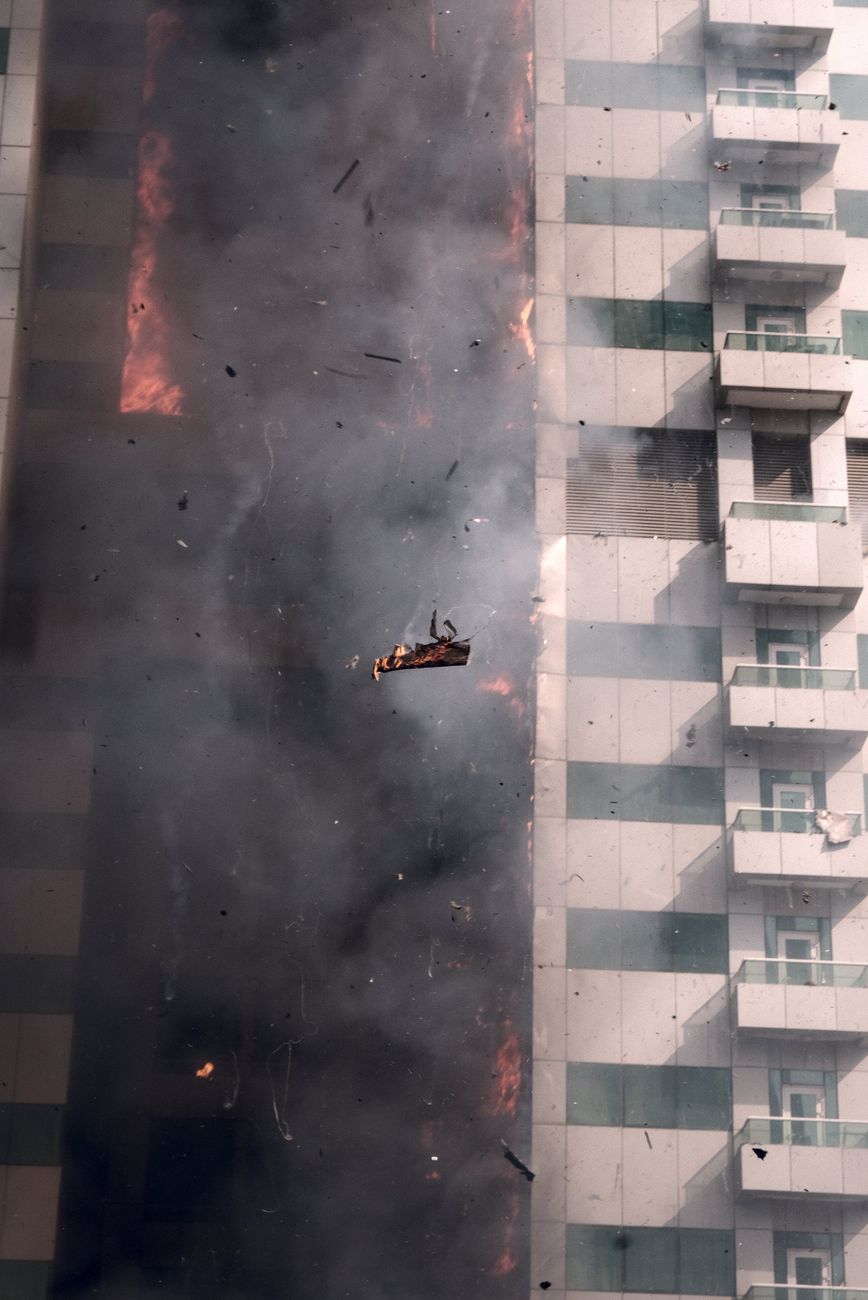
The explosion came without warning. At 10:47 a.m. local time, a fireball erupted from Qatar's Ras Laffan industrial zone — the crown jewel of the world's largest LNG exporter. Thirteen workers are dead. Dozens more lie in burn units. And the question nobody wants to ask: Was this inevitable?
The state-owned QatarEnergy called it a 'technical accident' at the main liquefied natural gas processing site. That's corporate-speak for 'something went catastrophically wrong.' Right now, investigators are sifting through twisted metal and charred control rooms, trying to figure out whether it was a valve failure, a maintenance slip, or plain old corner-cutting.
Why This Hits Different
Qatar isn't some backwater operation. Ras Laffan is the beating heart of global LNG supply — it pumps out 77 million tonnes per year. When that plant hiccups, energy markets feel it in London, Tokyo, and beyond. But this wasn't a hiccup. This was a gut punch.
The country has spent billions building a reputation as the safest, most reliable gas supplier on earth. They've hosted World Cups, brokered peace deals, and bought enough influence to make lobbyists blush. But explosions don't care about PR budgets. They happen when the gap between rhetoric and reality gets too wide.
Thirteen people went to work yesterday and never came home. Their families get condolence calls. The rest of us get a reminder that 'world-class safety' is a slogan until it isn't.
This isn't about blaming Qatar specifically. Every industrial nation has had its disasters — Deepwater Horizon, Bhopal, Texas City. But Qatar's entire economic model rests on the perception of flawless execution. They can't afford a single screw-up. And now they've got a big one.
The Human Cost, Up Close
I've covered refinery explosions before. The aftermath is always the same: stunned survivors wandering around with singed eyebrows, families waiting outside hospitals for news that never comes, and company spokespeople reading prepared statements about 'cooperating fully with authorities.'
The victims here were likely a mix of Qatari nationals and expat workers from South Asia, the Philippines, and Europe. Migrant labor makes up the backbone of Qatar's energy sector — they do the dangerous jobs for wages that would be illegal in their home countries. When things go wrong, they're the ones in the blast zone. The executives who signed off on safety budgets are safely miles away.
One worker I spoke to (he asked not to be named — fear of reprisal is real) said the safety culture at Ras Laffan had been slipping for years. 'More production targets, fewer drills. They'd rather fix a leak than prevent one.' That's a damning allegation, but it's also depressingly familiar. The oil and gas industry has a long history of prioritizing output over people.
Markets Hold Their Breath
The immediate financial impact is predictable: LNG futures spiked 8% within hours. Traders hate uncertainty, and a fire at the world's biggest export terminal is about as uncertain as it gets. But the real question is whether this becomes a prolonged shutdown or a quick restart.
QatarEnergy says they've contained the fire and are assessing damage. That's standard. But anyone who's seen industrial accidents knows the real timeline: months of investigation, years of litigation, and a permanent scar on the company's safety record. Europe, which has been desperately buying Qatari gas to replace Russian supplies, is watching nervously. Every day Ras Laffan stays offline is a day of tighter supplies and higher prices.
The Cover-Up Begins
Already, the narrative machine is spinning. 'Technical accident' is designed to sound sterile, mechanical — like a software glitch rather than a human tragedy. Expect more euphemisms in the coming days: 'unforeseen circumstances,' 'operational incident,' 'regrettable event.'
Don't buy it. Every industrial disaster is the result of a chain of decisions — budget cuts, skipped inspections, ignored warnings. The question isn't whether someone is to blame. It's whether anyone will be held accountable. In Qatar, where the ruling family owns the oil company, accountability has a funny way of evaporating.
What Comes Next
For the families of the dead, nothing changes. For the global energy market, everything shifts. For Qatar, this is a test of whether they can walk the walk after years of talking the talk.
I'll be watching two things: the investigation's independence (or lack thereof) and the company's willingness to release full details. If they hide behind 'confidentiality' and 'national security,' you'll know exactly what happened. If they're transparent, there's a sliver of hope that the next accident might be prevented.
Thirteen people are dead. Not a statistic. Not collateral damage. Thirteen lives ended because something that shouldn't have happened did. The least we can do is refuse to look away.