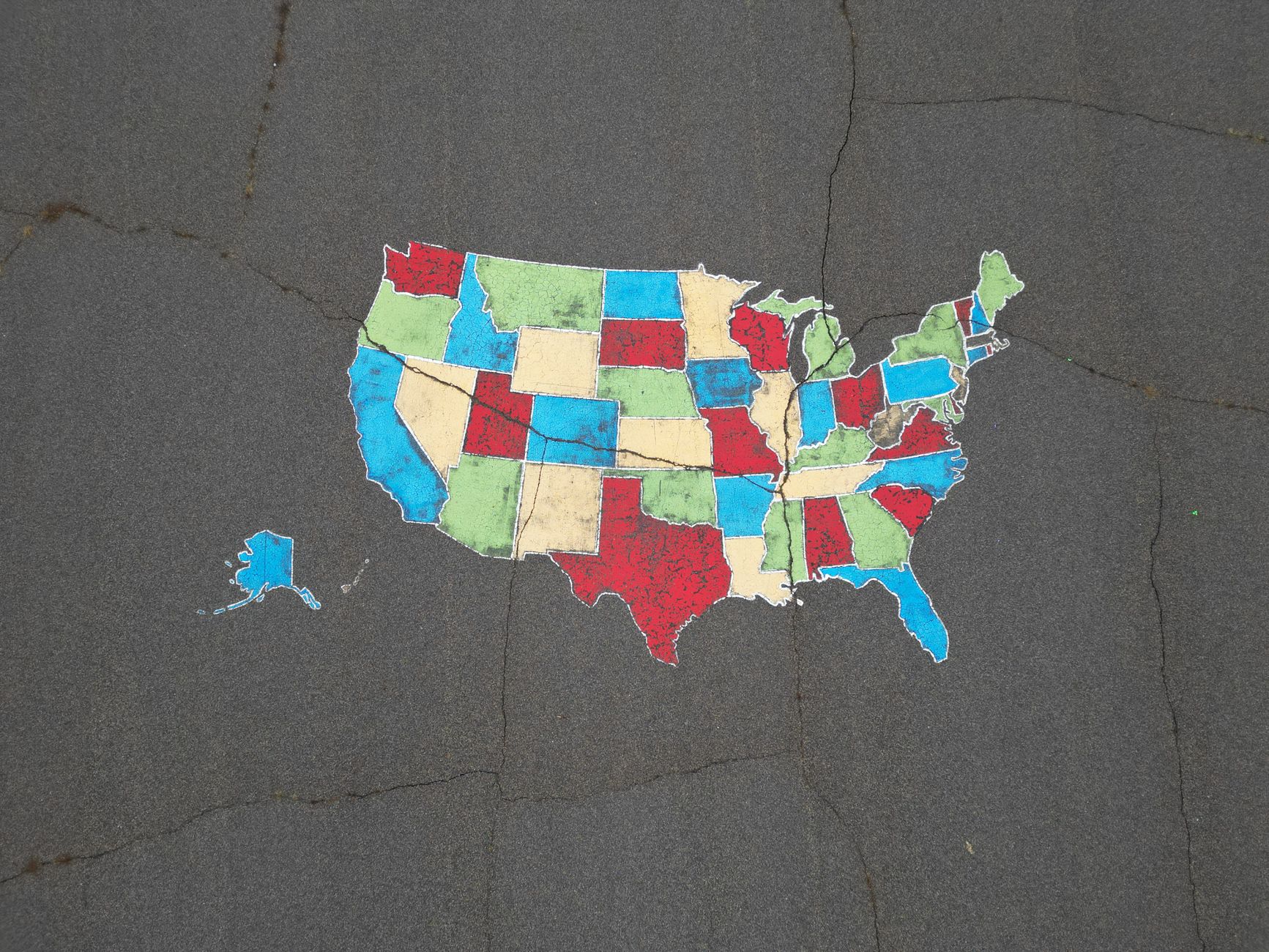
Maryland's 6th District isn't on the ballot Tuesday. But the fight over its shape — and the people who'll draw it — absolutely is. That's the weird tension of this primary season: voters cast ballots for candidates who may never represent the lines they're running in.
Redistricting, that once-a-decade blood sport, is the invisible hand gripping every contest in Utah, Maryland, and the Republican runoff in South Carolina. In Utah, the state supreme court just threw out the GOP-drawn congressional map, calling it an illegal gerrymander. The legislature's response? A new map that cracks Democratic-leaning Salt Lake County into four districts. The primary for Utah's 2nd District — the safest GOP seat in the state — is the first test of whether voters care.
The Maryland 6th: A Proxy War for the House
Maryland's 6th District primary is really about 2028. The seat, vacated by retiring Democrat David Trone, is a microcosm of the national struggle. The current map, drawn by a Democratic legislature, packs Republicans into the 1st District to give Dems a 7-1 edge. But the term-limited governor, a Republican, vetoed the latest redistricting bill. The state supreme court will decide the final lines — after Tuesday's primary.
Four Democrats are vying for the nomination. State Delegate Lesley Lopez leads in fundraising, but former Obama administration official April McClain-Delaney has the institutional backing. The winner steps into a district that could be redrawn into a competitive seat — or disappear entirely if the GOP retakes the governorship in 2026. "It's like buying a house that might be condemned next week," said one local strategist who asked not to be named.
“Every primary voter in Maryland should read the court rulings before they cast a ballot. The map is a moving target.” — Larry Sabato, UVA Center for Politics
Utah's 2nd: The Incumbent vs. The Map
Utah's 2nd District is the safest seat in the state for a Republican — but that's because the new map makes it 15 points redder than the old one. Incumbent Chris Stewart, a conservative with a solid voting record, faces a primary challenge from his right. His opponent, state Rep. Phil Lyman, argues Stewart didn't fight hard enough against the redistricting chaos. Lyman's campaign signs read: "Stop the Map. Fire Stewart."
The irony: Stewart voted for the original gerrymander in 2021. Now he's running in a district drawn to elect someone like him — but Lyman says that's not conservative enough. The real fight is over who gets to define "conservative" in a state where the party's base has moved right. Turnout will be low, maybe 12%. That means the winner is whoever's most passionate supporters show up. Expect Lyman to win the base — and Stewart to spend the next six months trying to win back moderates before November.
South Carolina's Runoff: The Trump Effect Fades
South Carolina's 3rd District Republican runoff is a different beast. Incumbent Jeff Duncan faces a runoff against nurse-practitioner-turned-activist Katie Arrington. Duncan's sin? He voted for a spending bill that funded the government. Arrington, who lost a primary to him in 2020, is running as the "true conservative" who will never compromise.
But here's the twist: Donald Trump hasn't endorsed anyone. That's unusual for a runoff in a deep-red district. The former president's silence reflects a broader fatigue with the "fire everyone" approach. Trump carried the district by 30 points in 2020. Duncan won it by 20. The difference is that Duncan has delivered for the district — bringing home defense contracts and farm subsidies. Arrington has no record to run on. Expect Duncan to hold on by a small margin, but the race reveals a party struggling to define itself after Trump.
What Tuesday Means for November
None of these primaries will decide control of Congress. But they'll set the tone. If Lyman wins in Utah, expect more purity tests. If Lopez wins in Maryland, expect Democrats to double down on gerrymandering. Duncan's survival would signal that competence still matters to GOP voters.
The bigger story is what happens after Tuesday. Maryland's court will rule on the map by July 15. Utah's legislature has already promised to appeal. South Carolina's winner will face a Democrat who raised $1.2 million last quarter — a sign that even safe seats aren't safe anymore.
Voters walk into polling stations with paper ballots, but the real maps are being drawn by judges and legislatures. That's the uncomfortable truth: your vote Tuesday might not count for the seat you think it does. But don't stay home. Because the people who draw the lines are watching.