Marco Rubio lands in Abu Dhabi Tuesday with one thing on his mind: Iran. The Secretary of State’s three-day swing through the Gulf — UAE, Kuwait, Bahrain — isn’t a photo op. It’s a fire drill.
The Memorandum of Understanding between Tehran and world powers is fraying. Enrichment levels creep higher. The Strait of Hormuz, never far from a crisis, is once again a chessboard. And Rubio’s carrying the American pieces.
The MoU Is a Ghost
Let’s call the MoU what it is: a diplomatic Band-Aid over a bullet wound. Signed in 2024 after months of back-channel talks, it was supposed to freeze Iran’s nuclear program. It didn’t. Today, IAEA inspectors report uranium enriched to 84% — just a technical step from weapons-grade. The Iranians shrug. The West fumes.
Rubio isn’t coming to save the MoU. He’s coming to build a backup plan. The message to Gulf allies: assume the deal dies. Prepare for the consequences.
“The MoU is a ghost. We need a new framework — one that includes consequences, not just conference calls.” — Senior State Department official
Hormuz: The Real Red Line
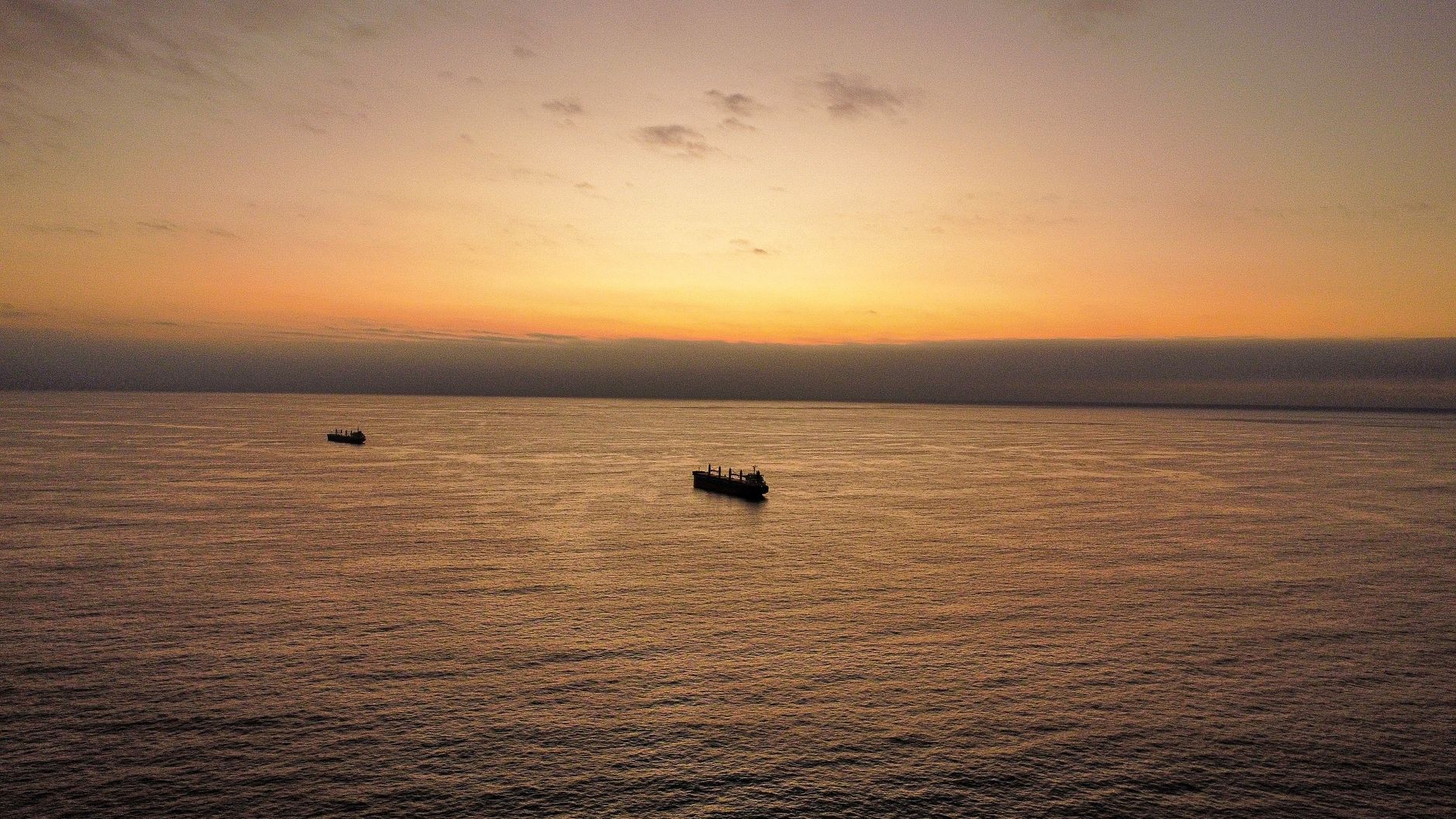
Twenty percent of the world’s oil passes through the Strait of Hormuz. Iran knows it. That’s why they keep threatening to shut it down. In March, IRGC speedboats swarmed a tanker near the strait. In April, a mine-clearing exercise turned into a standoff with the U.S. Navy’s Fifth Fleet.
Rubio’s stops in Kuwait and Bahrain — both host to U.S. naval bases — signal a shift from diplomacy to deterrence. The message: we’re not leaving. And we’re not blinking.
Kuwait’s foreign minister, Sheikh Salem Al-Sabah, put it bluntly last week: “Freedom of navigation is not negotiable. If Iran tests that, they test the entire region.”
What Rubio Wants
Publicly, the itinerary says “consultations on regional security.” Privately, it’s about money, missiles, and leverage.
First, Rubio wants the Gulf states to tighten sanctions enforcement. Iran is getting around restrictions through UAE-based shell companies and Kuwaiti ports. The U.S. knows it. The Gulf knows the U.S. knows. Rubio will name names, demand action.
Second, he wants a unified front on Hormuz. The Gulf states depend on the strait for their own oil exports. A joint naval patrol — already discussed in closed sessions — could be announced. That would put teeth behind the words.
Third, he’s selling defense upgrades. Bahrain is buying THAAD batteries. Kuwait is eyeing F-35s. The Pentagon is happy to supply. The message to Iran: every missile you launch, every mine you lay, will meet a layered defense.
The Iranian Angle
Iran isn’t sitting quiet. Foreign Minister Bagheri called Rubio’s trip “provocative” and warned of “asymmetric responses.” Translation: more proxy attacks, more cyber intrusions, more brinkmanship.
Tehran’s playbook is old but effective. Raise the cost of confrontation without triggering a full-scale war. Attack a tanker, not a warship. Hit an oil facility, not a military base. Keep the crisis simmering, never boiling.
Rubio’s challenge is to raise the cost of that game without getting dragged into a war nobody wants. It’s a tightrope. The Gulf knows it. The Iranians know it. And every port call, every handshake, every statement is a move in that dance.
What Happens Next
Rubio leaves Bahrain on June 25. By then, we’ll know if the trip was a success or a prelude. If he gets a joint statement on Hormuz — concrete, with timelines — that’s a win. If he leaves with vague promises and a photo op, the Iranians will see weakness.
The clock is ticking. The MoU is dying. Hormuz is waiting. And Marco Rubio is the man in the middle.
This is what diplomacy looks like when the options are running out.