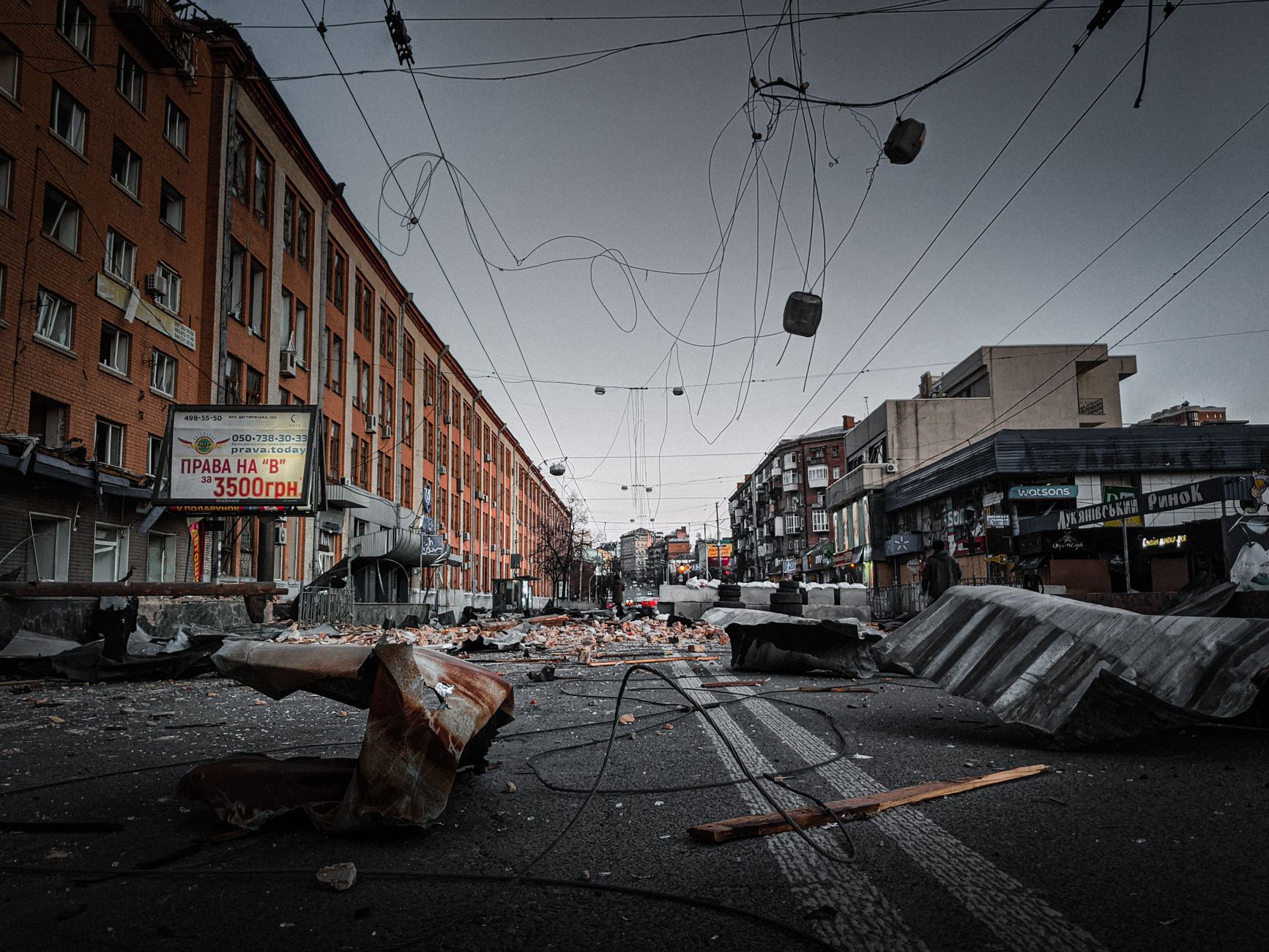
The first explosion hit the port at 3:47 a.m. — a thunderclap that shook windows across Odesa and sent workers scrambling for cover. By dawn, the Black Sea was burning. Grain silos, the lifeblood of this ancient city, were reduced to smoldering husks. At least five people are dead. Dozens more are wounded. And Vladimir Putin, once again, is playing with the world's food supply.
This wasn't a stray missile or a 'mistake.' It was a coordinated, deliberate assault on Ukraine's largest port — a punch aimed squarely at the global food chain. Ukrainian President Volodymyr Zelenskyy didn't mince words on Sunday: 'This is not just an attack on our city. This is an attack on every family in Africa, the Middle East, and Asia that depends on Ukrainian grain for their daily bread.'
A Grotesque Choreography of Destruction
Witnesses describe a night of horror. Drones hummed overhead like harbingers, then dove. Missiles screamed in from the sea. The port's grain terminal — a colossal steel-and-concrete complex — took the brunt. Black smoke billowed for miles, blotting out the morning sun over the famously beautiful Odesa Opera House.
Oleksandr Horban, a 54-year-old dockworker for 30 years, watched from his apartment window as his workplace vanished into flame. 'These silos held wheat for Ethiopia. For Yemen. For Palestine. And now? Now it's ash,' he told me, his voice cracking. 'Putin doesn't care about soldiers. He cares about starving the innocent.'
The attack wasn't random. Satellite images from the last week show Russian warships repositioning in the Black Sea. Intelligence analysts had warned of exactly this kind of strike. Yet the world seemed caught napping again.
Zelenskyy's Desperate Plea
In a video address shot against the backdrop of the smoking port, Zelenskyy looked exhausted. He's been at this since 2022 — rallying allies, begging for air defenses, watching his country bleed. His words were tailored for a global audience, and they hit hard.
'When Russia shells a port in Odesa, it shells the grocery stores of the world,' he said. 'Every grain of wheat that burns here is a loaf of bread that will not exist in Cairo or Karachi. This is terrorism against humanity itself.'
He's not wrong. Ukraine feeds an estimated 400 million people. Before the full-scale invasion, the country exported over 45 million tonnes of grain annually. That number has cratered. Every strike on port infrastructure sends prices soaring on international markets. The UN's World Food Programme — already stretched to its limit — has seen its costs balloon. And the poorest nations, as always, pay the price.
The Broken Grain Deal and Its Deadly Aftermath
This attack comes exactly two weeks after Russia pulled out of the UN-brokered Black Sea Grain Initiative. The deal, which allowed safe passage for Ukrainian grain exports, was always fragile. Moscow complained its own fertilizer exports were hampered. But the real reason for walking away is simpler: leverage. Putin wants the world to feel the pain. He wants to remind the West that he holds the keys to the world's breadbasket.
And what did the West do? Sanctions. More sanctions. But sanctions don't stop missiles. The result: Ukraine has been forced to improvise. Grain trucks are lining up at the Romanian border, but that's a trickle compared to the flood that used to pour through Odesa. Railway bottlenecks add delays. Insurance rates for ships have skyrocketed. The entire export machinery is grinding to a halt.
Meanwhile, Russia is laughing. It's building its own grain alliances with authoritarian states. Turkey's Erdogan, ever the opportunist, is trying to broker a new deal — but on whose terms? And the Global South, the very nations Zelenskyy is speaking for, are growing weary of a war they see as 'not theirs.'
Odesa: A City Under Eternal Siege
Walk through Odesa today, and you'll feel it in your bones. The air smells of smoke and salt. The streets, once filled with tourists and honeymooners, are punctuated by sandbags and anti-tank obstacles. The famous Potemkin Stairs are eerily empty. The city that inspired Pushkin and Bunin is now a fortress under constant rebuke.
I met Kateryna, a 28-year-old mother of two, standing outside a damaged apartment building. Her son, age six, has started flinching at the sound of airplanes. 'We live in a cycle of fear,' she said, clutching her son's hand. 'Every night we wonder: will we wake up? Will our home be here?' Her story is not unique. It's the story of every Ukrainian city that breathes near the front lines.
Russia knows this. It's a strategy of attrition, a war of nerves to break the Ukrainian spirit. But 900 days of full-scale war have shown one thing: Ukrainians are not breaking. They're adapting, fighting, and surviving. Yet at what cost?
A World That Stopped Listening
Here's the uncomfortable truth: the world has grown numb. Gaza, Sudan, the climate crisis — competing catastrophes push Ukraine down the news cycle. The war has become background noise, a 'conflict' with a familiar rhythm. But this latest attack on Odesa isn't just more of the same. It's a deliberate escalation against the very mechanism that keeps millions alive.
The UN has condemned the strike. The EU has 'expressed concern.' The US has promised more aid. And yet, the missiles keep flying. Odesa keeps burning. The grain keeps disappearing.
What will it take for the international community to act with the urgency this deserves? Do we need a famine in Somalia to remind us that this war is not just about territory? Do we need bread riots in Cairo to understand that food security is national security? The answer is yes — because that's the pattern of history. We wait until the crisis is apocalyptic, then we scramble.
The Verdict
Russia's attack on Odesa is not a tactical military operation. It's a crime against humanity. And the world's tepid response is a moral failure of staggering proportions.
Zelenskyy called the attack 'brutal.' That's an understatement. It was calculated, cynical, and devastating. And it will happen again — unless the West stops dithering and starts delivering. Air defense systems. Missiles. Political will. Every day of delay is an invitation for Putin to strike again.
As the sun set over the smoldering port, I saw a group of dockworkers standing in a circle, heads bowed. They weren't praying. They were measuring the damage, calculating how long it would take to rebuild. But here's the thing that struck me most: they were already making plans. Not plans to flee. Plans to rebuild.
That's the spirit that will win this war. But they can't do it alone. The question is: will we let them fail?


