BAGHDAD — The handshake was firm. The smiles were tight. And the elephant in the room? A pile of rubble and the memory of American bombs falling on Iraqi soil.
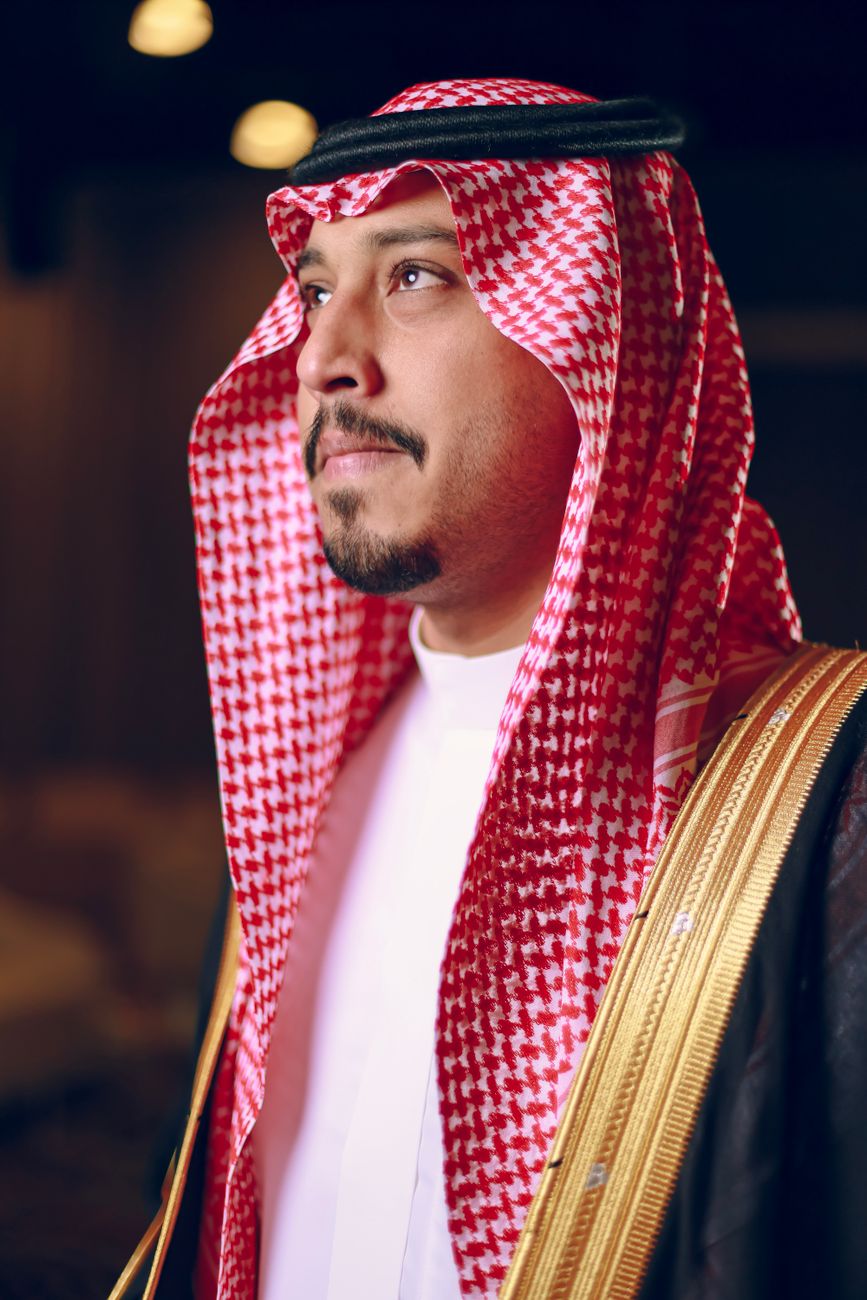
Saudi Arabia's intelligence chief, a man who knows a thing or two about covert pressure, made a quiet pilgrimage to Baghdad this week. His mission: convince Prime Minister Ali al-Zaidi that the kingdom's invitation to Riyadh still stands — even after the July 29 strikes that killed dozens of Iraqis, a joint US-Saudi operation that sent shockwaves through the region.
Let's be clear about what this is. This isn't a social call. It's a re-calibration. A charm offensive with oil barrels and security guarantees as the currency. And al-Zaidi, who canceled his last trip to Riyadh in a fit of very public pique, is now the target of a full-court press.
A Canceled Trip and a Grudge
You don't cancel a state visit on a whim. When al-Zaidi pulled the plug on his Saudi trip last month, he wasn't just rescheduling a meeting. He was making a statement. The strikes had happened days earlier. Baghdad was still counting its dead. And the prime minister, a man who has built his reputation on a certain degree of nationalist backbone, couldn't be seen shaking hands with the architects of that devastation.
Now, the Saudi intelligence chief — let's call him the kingdom's shadow diplomat — has come to Baghdad to smooth things over. It's a bold move. A calculated one. The message is simple: "We get it. You're mad. But let's talk about the future."
And the future, for Iraq, is a precarious tightrope act. The country sits on some of the world's largest oil reserves. It shares a border with Iran, the Saudis' mortal enemy. It's a battleground for US influence, Iranian cash, and now, a new Saudi push for regional dominance.
Oil and Security: The Saudi Playbook
Riyadh's interest in Iraq isn't sentimental. It's strategic. The Saudis want a friendly government in Baghdad, one that doesn't tip too far into the Iranian orbit. They want energy cooperation. They want to invest in Iraq's crumbling infrastructure. And they want to ensure that Iraqi territory isn't used as a launching pad for attacks on the kingdom.
To that end, the intelligence chief brought a checklist. Investment in the oil sector. Intelligence sharing against ISIS remnants. And a promise of diplomatic backing.
But here's the rub: how do you trust a partner who was bombing you three weeks ago?
"The strikes were a miscalculation. The Saudis backed a faulty intelligence claim, and they're paying for it now." — a former Iraqi security official, speaking on condition of anonymity
The July 29 operation was supposed to hit Iranian-backed militia positions. Instead, it hit a residential neighborhood. The White House blamed "bad intelligence." Riyadh blamed the Americans. And Iraq, as usual, was left holding the bag.
That's the backdrop for this meeting. The Saudis are trying to reset. The question is whether al-Zaidi can afford to let them.
A PM Between a Rock and a Hard Place
Ali al-Zaidi is in a precarious position. His government relies on a fragile coalition, propped up by parties with deep ties to Iran. But the country is broke, and the Saudis have money. They also have influence in Washington, which matters when you're trying to get sanctions relief or military aid.
The PM's logic, if he accepts the invitation, goes something like this: "I'm not forgiving the strikes. I'm securing Iraq's future." And that's a narrative he can sell, if not to the families of the dead, then to the international community.
But there's a limit to how far he can bend. If he flies to Riyadh and smiles for the cameras, he hands a gift to his political rivals, who will brand him a Saudi puppet. And in a country where street protests can topple governments, that's a dangerous label.
The Shiite Street Is Watching
And it's not just the elites. The Shiite street, the base of the prime minister's own Dawa Party, remembers Saudi Arabia's history of funding sectarian militias. They remember the long years of Saudi-fueled sectarianism in Syria. And now, they've seen Saudi warplanes, or at least Saudi-backed Americans, strike their neighborhoods.
This is the paradox of Sunnis and Shias in the region. For years, Iran and Saudi Arabia have waged a proxy war across the Middle East. Iraq has been a battlefield. And now, the Saudis want to turn the page.
Can they? It's not impossible. The Saudis have done it before, sort of. They've reached out to Iranian-aligned figures in Lebanon, in Syria. But it's always been transactional, always with a knife in the back pocket.
What's at Stake?
For Saudi Arabia, this is about more than Iraq. It's about regional standing. With the US drawing down its forces in the Middle East, Riyadh is scrambling to build alliances. It can't afford to lose Iraq to the Iranians. It can't afford a hostile government on its northern border.
For Iraq, the stakes are existential. The country needs investment, reconstruction, and a helping hand to navigate the post-ISIS chaos. But it also needs a semblance of dignity, of sovereignty.
The Saudi invitation is a test. Al-Zaidi can accept, and possibly secure billions in aid and investment. Or he can stay home, and risk the Saudis cultivating his rivals.
The Waiting Game
So, what happens now? The intelligence chief has returned to Riyadh, presumably with a report. The invitation has been renewed, but not accepted. The PM is playing the waiting game.
Sources close to the prime minister's office say he's "considering" the offer, but that his final decision will depend on "specific commitments." What that translates to is: "Show me the money. Publicly. And with no strings attached."
Meanwhile, the families of the July 29 victims are still burying their dead. They're still waiting for an apology, for compensation. And they're watching their prime minister entertain the very people who authorized the strikes.
The Bottom Line
This is a dance, pure and simple. The Saudis are offering a hand, but they're also holding a stick. They know Iraq is desperate. They know al-Zaidi needs allies. And they're banking on the fact that pragmatism will trump pride.
But here's the thing: pride is a powerful currency in the Middle East. And al-Zaidi has been careful to cultivate an image of a leader who doesn't bow to anyone.
In the end, this isn't about whether al-Zaidi visits Riyadh. It's about whether he can turn that visit into something concrete for Iraq. And that's the real test.
If he goes, and comes back with a $10 billion development package, he'll be hailed as a genius. If he goes, and comes back with nothing but platitudes, he'll be branded as a traitor.
The Saudis have played this card well. But the PM holds the final move.


