Keir Starmer is out. After less than two years as Prime Minister, the Labour leader buckled under pressure from his own party, making him the seventh person to hold the job in ten years. If British politics were a circus, this would be the main act — except nobody's laughing.
The Numbers Don't Lie
Seven prime ministers since 2016. That's one every 1.4 years on average. David Cameron, Theresa May, Boris Johnson, Liz Truss, Rishi Sunak, Keir Starmer, and now — who knows? The list reads like a game of musical chairs, except the music stops, and the chair is a nuclear football.
Starmer's downfall wasn't sudden. It was slow, grinding, and entirely predictable. He took over a party exhausted after 14 years in opposition, promising stability. Instead, he delivered infighting, policy U-turns, and approval ratings that sank faster than a stone. His resignation statement on Monday cited 'the need for fresh leadership' — political code for 'I couldn't hold it together.'
'The Labour Party has a proud history, but we have lost our way. I take full responsibility.' — Keir Starmer, resignation speech, June 22, 2026.
But here's the real question: Does it even matter? In a country where PMs change faster than seasons, the office itself has lost its gravitas. Governments now operate on a short leash, with every leader knowing they're one bad poll away from the exit.
The Root Rot
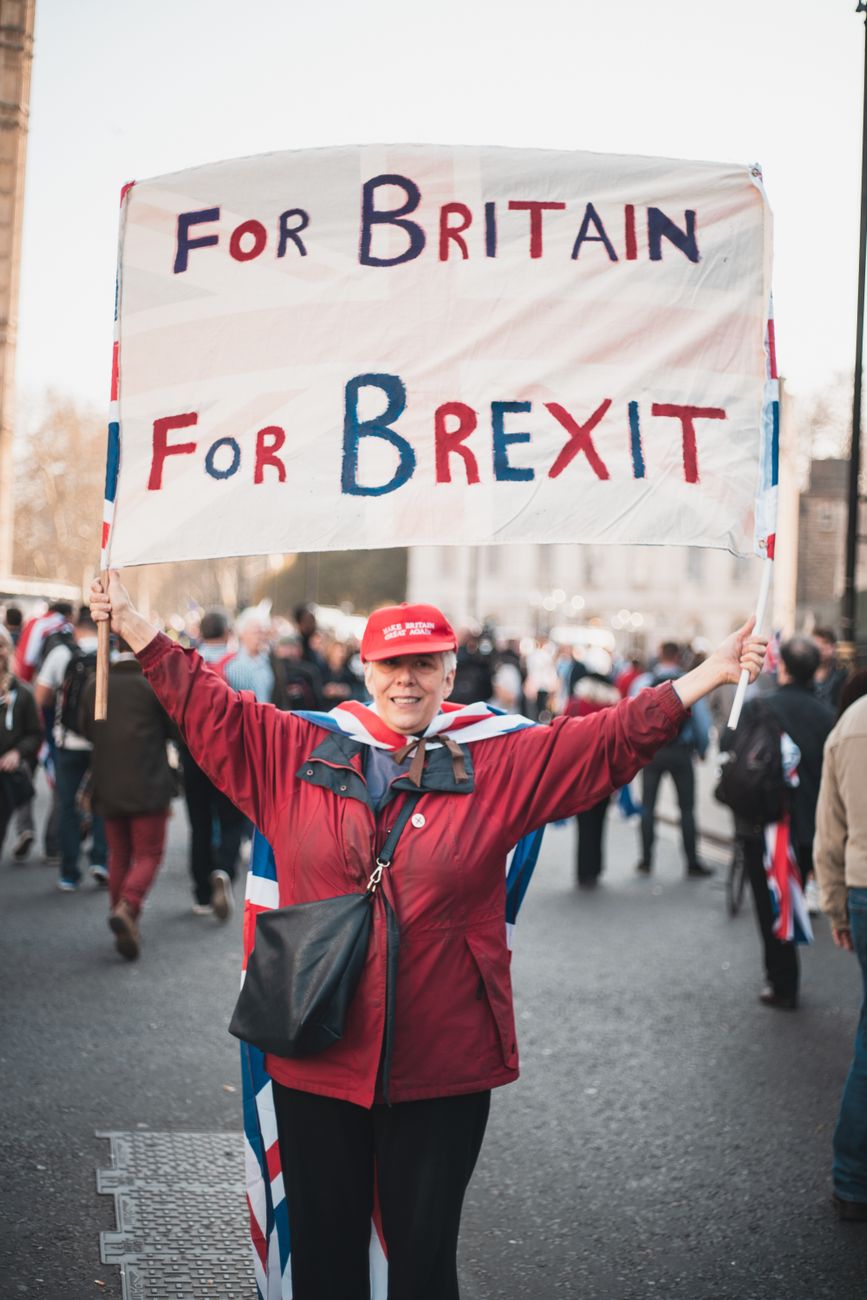
This isn't about personalities. It's about a system that's broken. The Fixed-term Parliaments Act, repealed in 2022, was meant to stabilize things; instead, it's been chaos. Brexit tore the Conservative Party apart, and Labour never stopped eating itself. Now both parties are in shambles.
Starmer's tenure was a case study in failure. He promised to unite Labour but instead alienated the left and the center simultaneously. He pushed a cautious agenda that pleased no one. On the economy, he was invisible; on immigration, he was reactive; on the NHS, he was silent. By the time he tried to make a move, it was too late.
The public is exhausted. Turnout at the last general election was the lowest since 1918. Trust in politicians is at rock bottom. Yet the system churns on, with the same faces recycling through the same corridors of power.
What's Next?
Labour's leadership contest will be ugly. Angela Rayner, the deputy, is the frontrunner — but she's a polarizing figure. Rachel Reeves, the shadow chancellor, is another name. Both have baggage. The Tories, meanwhile, are licking their wounds after losing the last election. They're not ready to govern, but they smell blood.
Whoever becomes PM next will inherit a mess: a cost-of-living crisis, crumbling infrastructure, a health service in freefall, and a public that's stopped caring. The next election is two years away, but that feels like an eternity.
'The United Kingdom is becoming ungovernable. We are not a banana republic, but we are behaving like one.' — Anonymous senior civil servant, quoted in The Guardian, June 2026.
The irony is that Starmer was supposed to be the safe pair of hands. He was the lawyer, the technocrat, the anti-populist. But in an era where politics rewards charisma over competence, he was doomed from the start. The system ate him alive.
Britain's leadership crisis isn't just about individuals. It's about a political class that has lost touch with the people it serves. Seven PMs in ten years is a symptom, not the disease. The disease is a broken democracy where the only constant is change — and not the good kind.