Has Silicon Valley been building the wrong things?
Ian Bogost thinks so. And he's got the bruises to prove it.
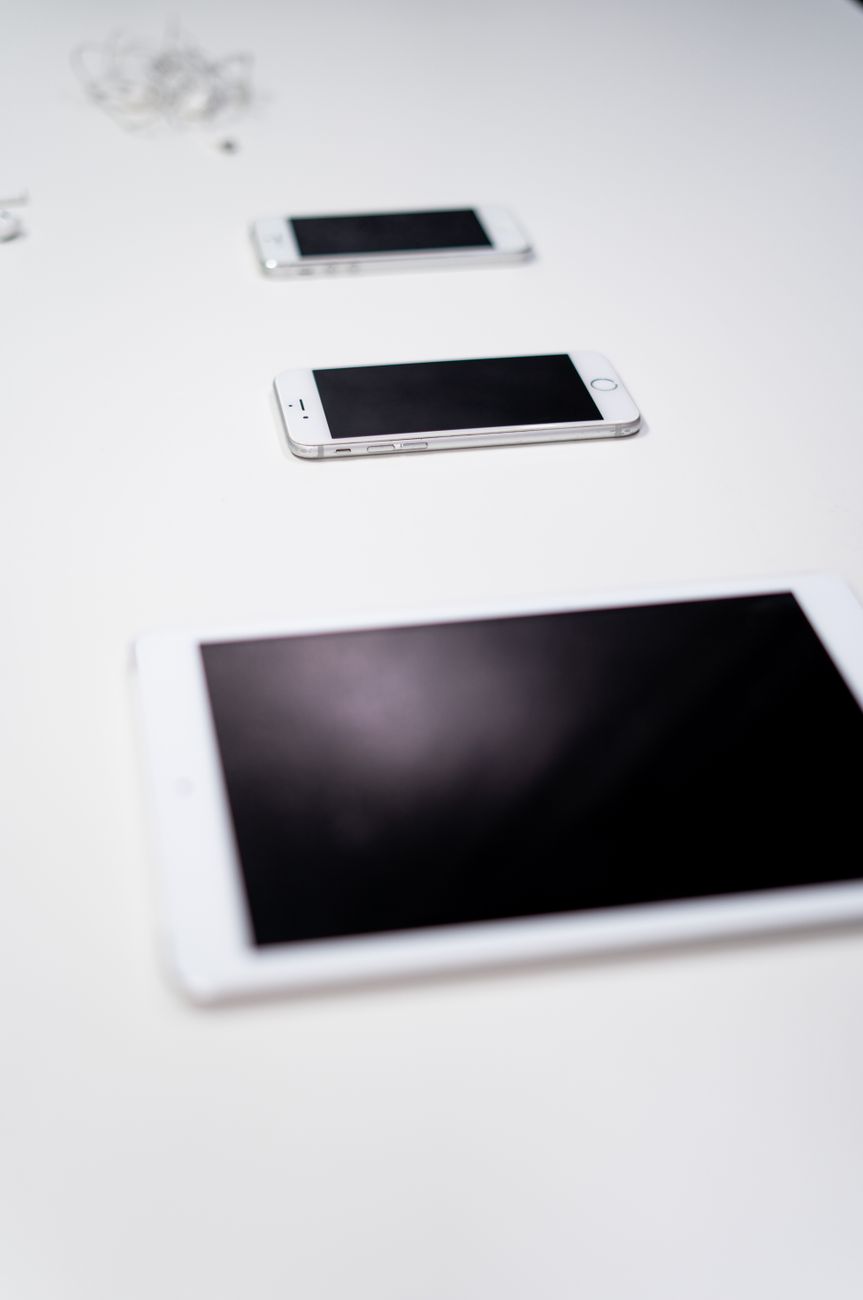
The writer and game designer spent years watching tech giants sell us a future where everything is faster, lighter, invisible. No clutter. No friction. No physical anything. Just pure data flowing through ethereal pipes.
He calls it dematerialization. I call it a slow-motion lobotomy.
The Lie of Effortless Living
Every startup pitch I've ever heard promises to remove something. Remove the checkout line. Remove the key. Remove the wallet. Remove the need to talk to another human being. The endgame? A life where you never lift a finger.
Sounds great. Until you realize that lifting fingers is what makes us human.
Bogost's new book, The Small Stuff, arrives at a moment when we're all asking: what's the point of an optimized life if it feels like nothing?
He argues that the trivial, tactile, annoying details we've been trying to eliminate are actually the whole point. Making coffee. Folding laundry. Waiting in line. These aren't bugs in the human experience — they're features.
“We've been sold a vision of liberation from matter. But matter is all we have.” — Ian Bogost
What You Lose When You Lose the Object
I covered the smart home boom of the 2020s. Watched people stick internet-connected speakers in every room, replace their front door locks with apps, and buy refrigerators that tweet at them. And for what? So you can turn on your oven from a beach in Bali? Who does that?
The dematerialization trend isn't just about convenience. It's about control. Tech companies want to own the interface between you and reality. Every time you swipe instead of flip a switch, you give them a data point. Every time you replace a physical thing with a digital simulacrum, you lose a little more autonomy.
Bogost gets it. He writes about the joy of a paper map, the heft of a book, the satisfying click of a mechanical switch. These aren't Luddite fantasies. They're anchors to the real world.
Decadence of the Invisible
Let me be blunt: Silicon Valley's obsession with dematerialization is decadent. It's what happens when a culture has so much stuff that it starts to despise stuff. We're drowning in abundance, so we decide the solution is to make everything disappear.
But there's a problem. Humans are physical creatures. We evolved in a world of stones and sticks and fire. Our brains light up when we touch things. Our hands were made to grasp, not to swipe.
The pandemic taught us this the hard way. Staring at screens for 12 hours a day didn't make us productive. It made us hollow. Zooms calls don't replace handshakes. Digital hugs don't release oxytocin. You can't cry on a pixel's shoulder.
Bogost isn't anti-technology. He's anti-stupid-technology. There's a difference. He wants us to build things that respect the physical world, not things that try to escape it.
Small Isn't Trivial — It's Sacred
Here's the part that made me put the book down and just stare at the wall for a minute: Bogost argues that the small stuff is sacred because it's uncontrollable. You can't algorithmic-optimize your way through a conversation with a barista. You can't scale human touch. You can't automate the feeling of sand between your toes.
The tech industry hates this. Uncontrollable things can't be monetized. Unpredictable moments can't be A/B tested. So they try to eliminate them.
But that's exactly why we need to fight for them. The small stuff is where life happens. Not in the notifications. Not in the quarterly earnings calls. Not in the 4K livestream. In the messy, beautiful, inefficient moments that can't be captured in a spreadsheet.
I've covered wars. I've watched markets crash. I've seen what happens when people lose touch with the real. It's not pretty. We get anxious. We get mean. We start believing that our digital personas matter more than our actual bodies.
Bogost's solution is radical in its simplicity: do something physical. Every day. Without a screen. Cook a meal from scratch. Fix a broken chair. Plant a seed. Walk somewhere for no reason.
Is it a cure-all? No. But it's a start.
The Verdict
Ian Bogost has written a manual for survival in an age of digital excess. It's not a luddite screed — it's a love letter to the things that make us alive. Read it. Then put down your phone and go touch grass. Literally.
Because if we don't reclaim the small stuff, the big stuff — our sanity, our communities, our humanity — is going to get lost too.