Another body. Another migrant. Another murder that the police will call isolated. Tuesday morning, cops in Johannesburg said they're investigating the killing of a 34-year-old Zimbabwean man, hacked to death outside his shack in Soweto. The motive? The neighbors say he was accused of taking a job a South African wanted.
The victim's name hasn't been released — his family back home still doesn't know. But this isn't an isolated incident. It's a pattern. Over the past three months, at least 18 people have died in similar circumstances. The dead include Malawians, Mozambicans, and Nigerians. The killers use machetes, pangas, and sometimes fire. They leave messages scrawled on walls: “Go home.”
The violence follows a toxic brew of economic despair, political finger-pointing, and a government that looks the other way. Unemployment sits at 42%. Inflation has gutted what little the poor have. And instead of offering solutions, officials blame foreigners. Again.
Who's Really to Blame?
Let's be clear: South Africa's crisis is homegrown. The ruling ANC has spent decades failing to deliver jobs, housing, or hope. But scapegoating migrants is easier. It's a script we've seen before — 2008, 2015, 2019, 2021. Each time, the same chorus from politicians: “Foreigners are flooding in, stealing our resources.”
President Cyril Ramaphosa condemned the latest attacks in a statement — a 200-word press release that said all the right things about unity and the rule of law. Then he boarded a plane to Davos. Meanwhile, in the townships of Alexandra and Tembisa, hundreds of migrants are lining up at police stations, trying to get repatriated before they become statistics.
The UN's refugee agency says at least 1,200 people have been displaced in the last month alone. They're sleeping in churches, community halls, and bus stations. Aid workers report that some are too scared to leave their shelters even to get food.
“These are not just numbers. Each one is a person who fled poverty or war, looking for a better life. Now they're dying for it.”
— Naledi Mokoena, aid worker in Johannesburg
Police Are Part of the Problem
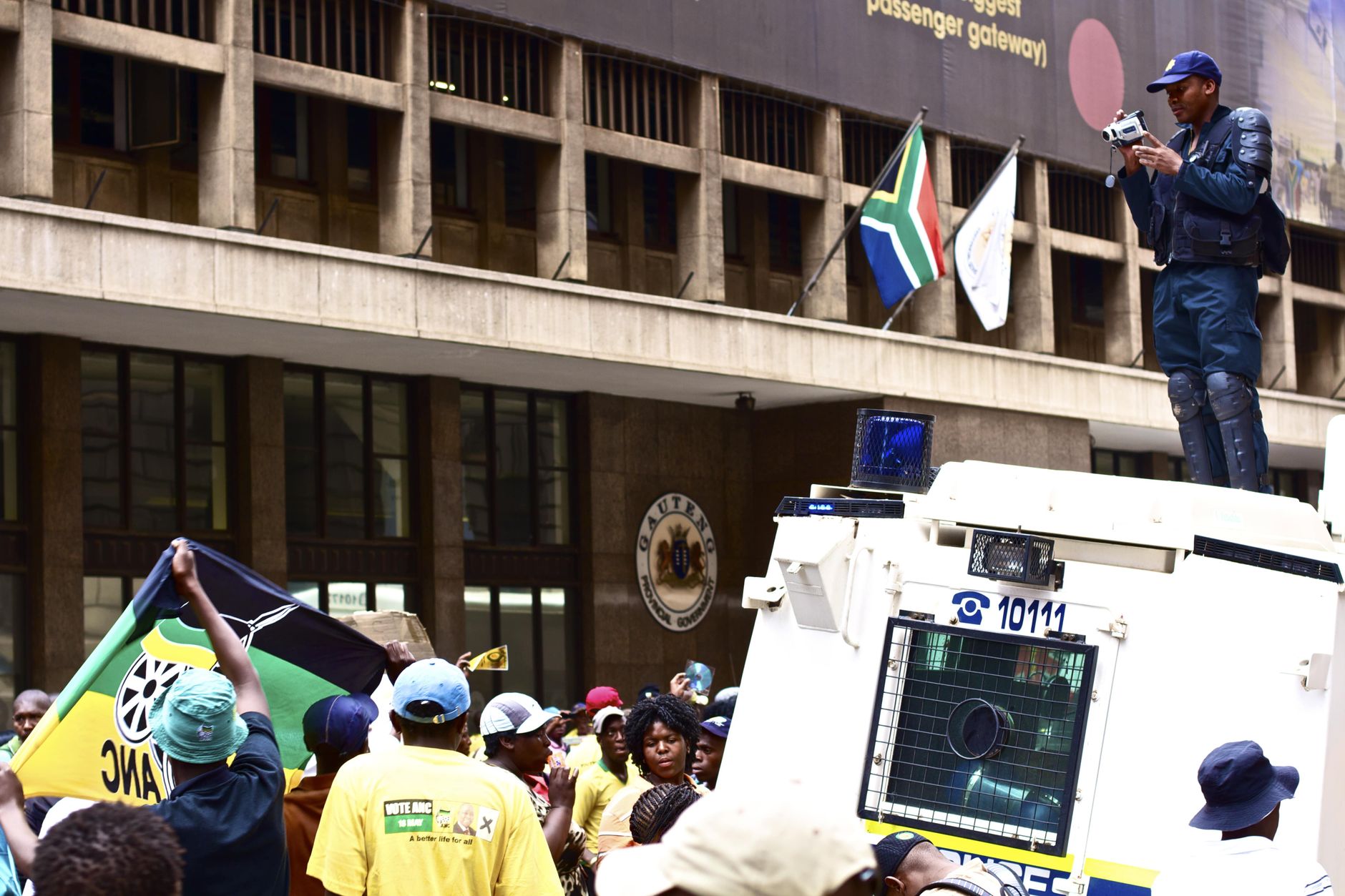
When anti-migrant violence flares, the South African Police Service (SAPS) usually responds with half-hearted patrols and vague promises. This time is no different. In the Soweto murder case, officers arrived four hours after the attack. The suspects were gone. The victim's body was still warm.
But there's a deeper rot. Human rights groups have documented cases where cops themselves participate in the looting of migrant-owned shops. In March, a video went viral showing a SAPS officer standing by while a mob ransacked a Somali-owned grocery store. The officer later claimed he was “outnumbered.” No charges were filed.
This impunity sends a message: you can attack migrants, and nothing will happen. And the attacks keep coming.
The Economic Angle No One Talks About
Here's the part that makes me furious: the anti-migrant narrative is built on lies. Study after study shows that migrants in South Africa are more likely to be self-employed or working informal jobs that locals don't want. They create businesses, pay rent, and contribute to local economies. A 2023 World Bank report found that migrant entrepreneurship had created over 200,000 jobs in the country — many of them held by South Africans.
But you won't hear that from politicians. You won't hear it from the radio hosts who whip up hate for ratings. Facts don't sell. Fear does.
The reality is that South Africa's economy is on life support. Load-shedding — the government's euphemism for planned blackouts — has crippled manufacturing and retail. Ports are clogged. Corruption ate the state. But blaming a Congolese shopkeeper for that is absurd. It's also dangerous.
Where Are the Consequences?
South Africa has laws against xenophobia and hate crimes. It has a constitution that guarantees basic rights. None of it matters if the government refuses to enforce them. In the past five years, there have been exactly three convictions related to anti-migrant violence. Three. Out of dozens of murders and thousands of assaults.
The international community has started to take notice. Nigeria has twice summoned South Africa's ambassador to protest the killing of its citizens. The African Union issued a tepid statement calling for restraint. But words won't stop machetes.
What would stop them? Police accountability. Political will. An actual economic plan that doesn't rely on pointing fingers. But that requires leadership. And leadership is exactly what's missing.
The Verdict
Anti-migrant violence is not a spontaneous outburst of anger. It's a recurring, predictable tragedy — one that South Africa chooses not to stop. Every attack, every murder, every family shattered is a choice. A choice to let hate fester. A choice to blame the vulnerable instead of fixing the system. Until that changes, the bodies will keep piling up. And the only question is who's next.