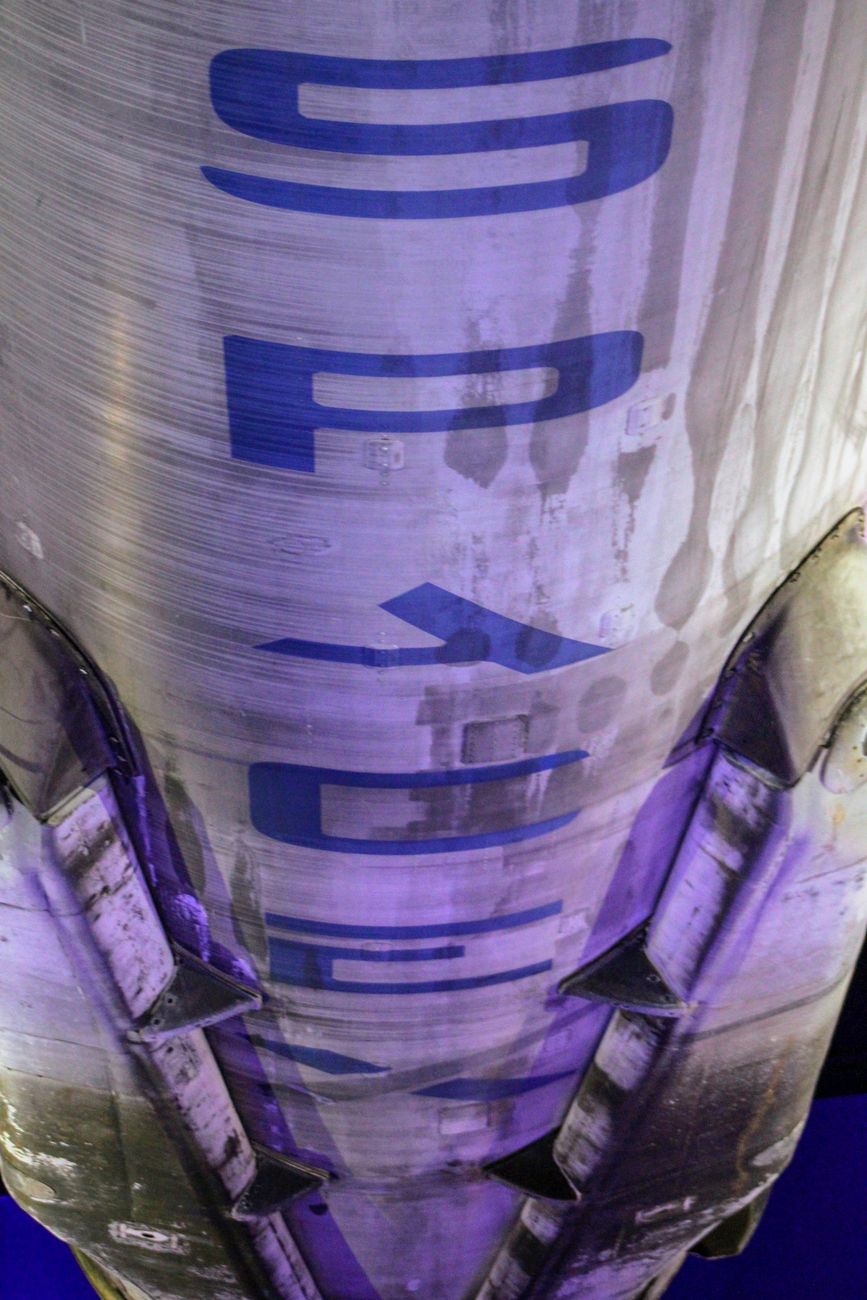
Elon Musk is doing it again. Just when you thought SpaceX was content to conquer the skies, he’s reaching for Wall Street’s wallet. The company just dropped pricing details on what’s shaping up to be one of the year’s biggest debt deals—a $1.8 billion offering that closes this Friday. The stated goal? Pay off existing debt. But anyone who’s watched Musk operate knows: there’s always a second act.
This isn’t your garden-variety refinancing. SpaceX is essentially swapping out old IOUs for new ones, but the timing screams strategy. The company is sitting on a mountain of cash from Starlink subscriptions and launch contracts, yet it’s borrowing more. Why? Because debt is cheap, rockets are expensive, and Musk has a habit of playing financial chess while everyone else is still setting up the board.
The Fine Print: What SpaceX Isn’t Saying
Here’s what we know: The new notes are priced at 200 basis points over the Secured Overnight Financing Rate, with a 3.5% floor. In plain English, SpaceX is locking in rates that would make a bank blush—especially with the Fed hinting at cuts later this year. The debt is secured against the company’s assets, meaning lenders can sleep easier knowing they can seize a Falcon 9 if things go sideways. But let’s be real: If SpaceX defaults, the world will have bigger problems than a repo rocket.
“SpaceX is the closest thing to a government-backed monopoly in space—without the government actually owning it. That makes its debt almost as safe as Treasuries, but with a juicier yield.”
That quote from a bond trader I spoke to this morning sums up the market’s mood. The offering was oversubscribed within hours, with institutional investors clawing for a piece. It’s a vote of confidence, sure, but it also smells of FOMO. Everyone wants to be on the rocket ship before it reaches escape velocity.
Why Now? The Starlink Factor
The official line is that proceeds will retire existing debt. But that’s like saying you’re going to the grocery store when you’re actually planning a heist. SpaceX’s biggest cash cow—Starlink—is burning through capital at a staggering rate. The satellite internet constellation now has over 4,000 satellites in orbit, and each one costs about $1 million to build and launch. Sure, Starlink is generating revenue—north of $2 billion annually, by most estimates—but it’s still years away from the profitability Musk promised.
Meanwhile, the Starship program is guzzling cash like a frat boy at a keg stand. Every test flight costs hundreds of millions, and the next one—a critical orbital attempt—could make or break NASA’s Artemis timeline. Musk needs liquidity, and issuing equity would dilute his control. Debt is the perfect middle finger to the haters: he keeps his grip on the company while betting that future cash flows will cover the coupons.
The Bigger Picture: A Pre-IPO Power Play
Here’s where it gets interesting. SpaceX has been flirting with an IPO for years, but Musk has consistently said it won’t happen until Starship is regularly flying to Mars. That timeline keeps slipping. But raising debt now could be a way to push that milestone closer without surrendering ownership. By refinancing at a lower rate, SpaceX frees up cash flow that can be funneled directly into R&D. If Starship succeeds in the next 12–18 months, the IPO valuation could be astronomical—think $200 billion or more. If it fails? Well, that debt still needs to be paid.
There’s also the bondholders themselves. This isn’t your typical junk debt. The buyers include sovereign wealth funds, pension funds, and insurance companies—entities that usually stick to blue-chip corporates. Their involvement signals that SpaceX is no longer a speculative startup; it’s a quasi-public utility. Who else can launch your satellites, beam internet to your rural cabin, and maybe take you to Mars? Nobody.
The Risks: What Could Go Wrong?
Let’s not get carried away. Debt is still debt, and SpaceX has a terrible track record with deadlines. Musk promised Starship would reach orbit in 2020. Then 2022. Now we’re looking at 2025—if we’re lucky. Each delay eats into the cushion that this refinancing provides. If interest rates spike or another pandemic (or alien invasion) hits, those bondholders could get nervous.
Then there’s the sheer complexity of the business. SpaceX isn’t just a launch provider; it’s a satellite operator, a defense contractor, and a deep-space explorer all rolled into one. Any one of those arms could stumble. Starlink faces regulatory battles over radio frequency interference and orbital debris. The Pentagon is cozy with SpaceX, but government contracts can be fickle. And Mars? That’s still a fantasy until someone figures out how to survive on a barren rock with no atmosphere.
“The risk isn’t that SpaceX goes bankrupt—it’s that Musk’s vision outstrips his ability to execute. That’s when debt becomes a noose, not a tool.”
That’s from a former SpaceX engineer who asked to remain anonymous. He added: “Musk is a genius, but geniuses often borrow too much, too fast.”
The Verdict: Smart Money or Sucker’s Bet?
I’ll split the difference. For the average investor who can’t buy SpaceX debt (it’s institutional-only, sorry), this deal is a canary in the coal mine. If the bonds trade well, it validates the company’s valuation and paves the way for a monster IPO. If they stumble, it’s a warning sign that even Musk’s magic can’t escape gravity.
For Musk himself, this is pure genius. He’s using cheap debt to buy time—time to make Starship fly, time to milk Starlink, time to cement SpaceX as the dominant force in space. But the clock is ticking. Every dollar borrowed is a promise that must be kept. And as we’ve learned from history, promises written in ink can be erased by events written in fire.
SpaceX is betting that the future is now. The rest of us are just along for the ride.