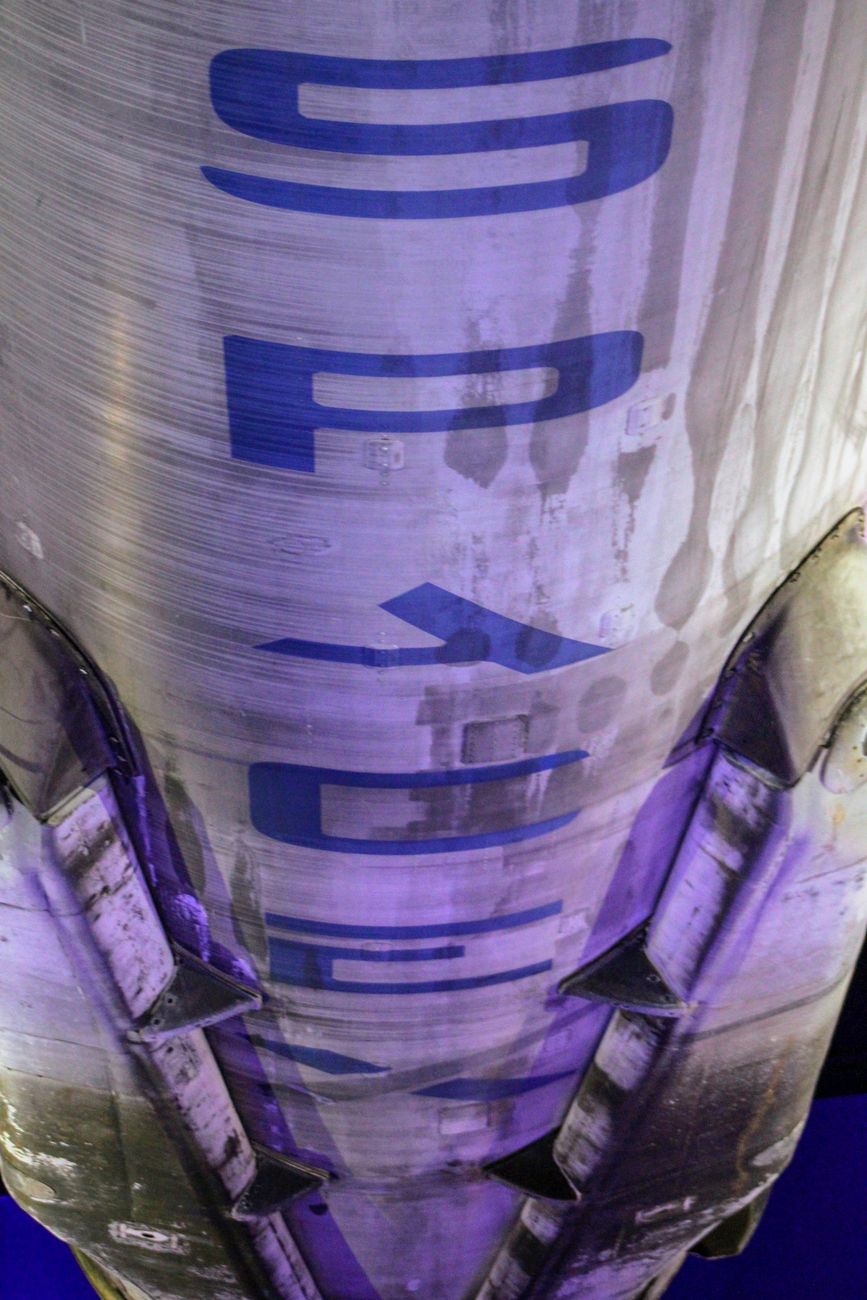
Three weeks ago, SpaceX was the hottest ticket on Wall Street. Its June 12 IPO shattered records — shares soared 73% on day one, and early investors were already counting their yachts. Today, the hangover is brutal. The stock plunged another 15% in Monday trading, marking its third consecutive loss and dragging it 28% below its post-IPO peak.
Somewhere in Boca Chica, there's an engineer who bought at the top. He's not alone.
The Great Pivot: From Moon Shot to Sell-Off
Let's be clear: this isn't a crash. Not yet. SpaceX still trades at a market cap north of $180 billion — roughly the GDP of Qatar. But the party is over. The stock that doubled in 12 days is now scrambling for a floor.
What changed? Nothing dramatic. No exploded rockets. No Elon meltdown on X. Just the cold math of an overbought market meeting reality. The IPO pricing at $84 a share was already aggressive. When it hit $145 on June 15, the valuation implied SpaceX would colonize Mars within a decade — and turn a profit doing it.
"This is a classic case of the market getting ahead of the narrative," says Sarah Klein, a tech analyst at Bernstein. "Starlink has 2 million subscribers, sure. But that's not a $250 billion story yet."
The sell-off accelerated Friday after a Morgan Stanley note cut their price target from $160 to $130, citing "valuation concerns." Monday's drop was triggered by a Bloomberg report that the SEC is informally probing SpaceX's revenue recognition practices for Starlink contracts. The company has denied any wrongdoing.
Starlink's Sliding Subsidy
Here's the dirty secret of SpaceX's valuation: it's a two-act play. Act One is launch services — reliable, profitable, but capped. Act Two is Starlink, the satellite internet constellation that's supposed to print money. Right now, Act Two is a drama.
Starlink has 2.3 million active users, up from 1 million a year ago. That's impressive. But the average revenue per user (ARPU) is slipping. Early adopters paid $110 a month. Now, price-sensitive rural customers are paying $90 through regional discounts. Meanwhile, competitors like Amazon's Project Kuiper are at least two years away but already promising lower prices.
SpaceX needs Starlink to generate $15 billion in revenue by 2028 to justify its current stock price. At current ARPU trends, that requires 12 million subscribers. Doable? Maybe. A sure thing? Not even close.
The Elon Factor: Blessing and Curse
Let's talk about the elephant in the launch pad: Elon Musk. His cult of personality drove the IPO frenzy. Retail traders wanted a piece of the man who put a car in space. But that same personality is now a liability.
On Friday, Musk tweeted that Tesla's FSD (full self-driving) would achieve Level 5 autonomy "by the end of summer." He's said that before — in 2020, 2021, 2022, 2023, 2024, and 2025. Each miss has eroded trust. And when Musk talks, investors now hear noise, not signal.
"SpaceX's fundamentals are solid," says Mike Verardo, a portfolio manager at Thornburg Investment Management. "But Musk's attention is scattered across three companies. That risk has a price."
The stock's volatility is also a Musk trademark. Pre-IPO, SpaceX was private and opaque. Now, every tweet moves markets. Monday's drop accelerated after Musk posted a cryptic meme of a rocket hitting a brick wall. He later deleted it. Too late.
What Comes Next: Buy the Dip or Wait for the Splat?
The question rattling around trading desks: is this a buying opportunity or a dead cat bounce? The answer depends on your timeline and your stomach.
Short term, the stock is oversold. The RSI (relative strength index) hit 28 on Monday — technically in "oversold" territory. That's usually a buy signal. But the IPO lock-up period expires in September. When insiders can finally sell, another wave of supply could push shares lower.
Long term, SpaceX remains the only company with a proven reusable rocket and a satellite constellation that actually works. Boeing and Lockheed Martin are decades behind. Blue Origin is still testing. SpaceX's Starship — the vehicle that will supposedly carry humans to Mars — has flown four test flights, with mixed results.
Valuation matters. At $180 billion, SpaceX trades at 35 times projected 2027 earnings. That's cheaper than Tesla's 80x, but richer than Boeing's 22x. For a company that hasn't turned an annual profit yet, that's a bet on perfection.
The Verdict: Buckle Up
SpaceX's IPO was a celebration — of engineering, of ambition, of the sheer audacity of building a space company. The stock market is now delivering its hard lesson: enthusiasm is not a balance sheet.
I'd be a buyer at $90. At $115? I'm waiting. The next month will tell us if this is a correction or a reversal. Watch for the Starlink subscriber numbers in next week's quarterly update. If they disappoint, God help the bag holders.
One thing is certain: Elon Musk isn't going to stop tweeting. And the rocket isn't coming back down.