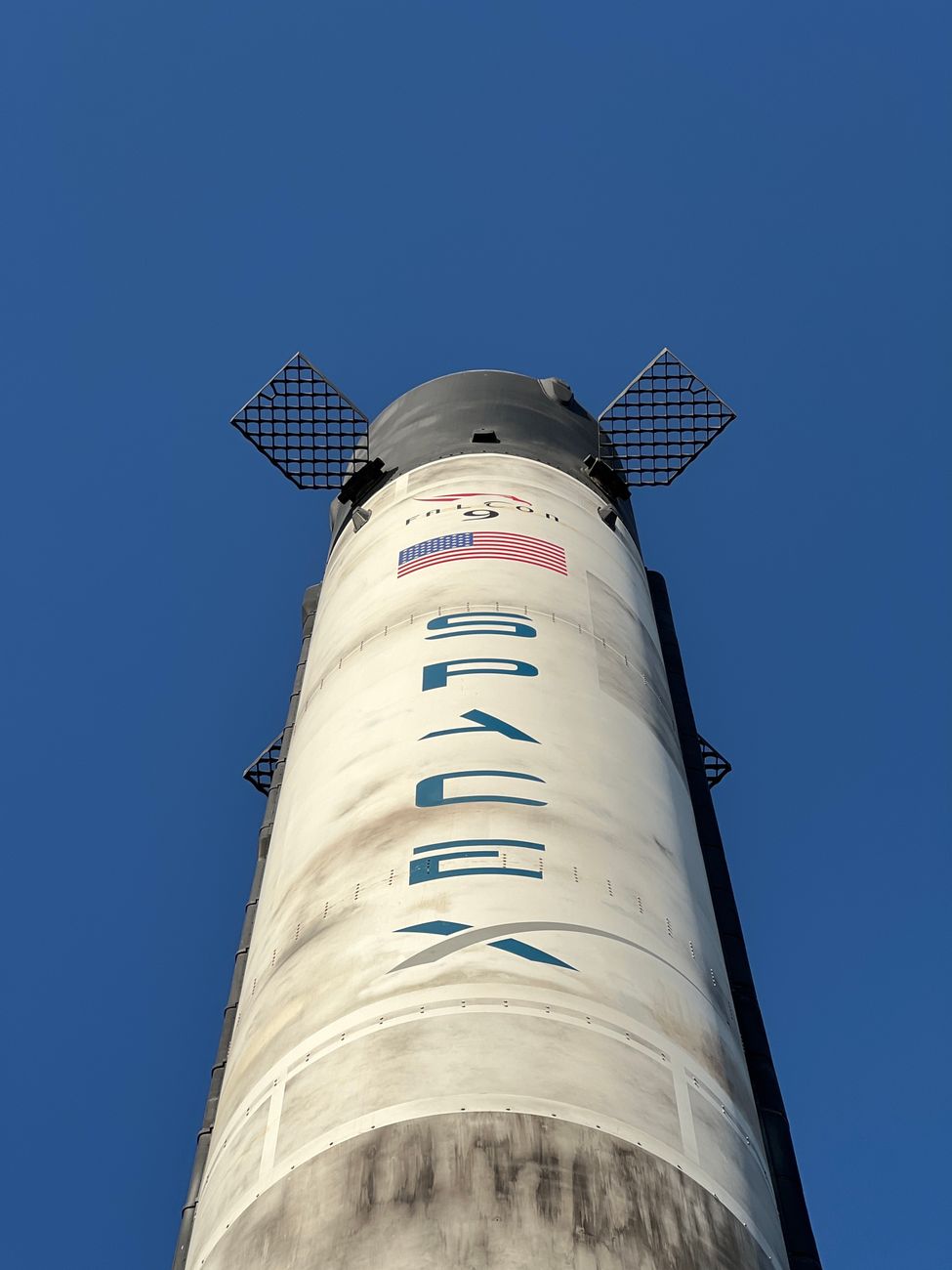
On paper, it sounds absurd. A company that isn't publicly traded — not yet, anyway — getting a seat at the table of the Nasdaq-100, the index that tracks the 100 largest non-financial companies on the Nasdaq exchange. But that's exactly what's happening. SpaceX, Elon Musk's privately held space juggernaut, will join the club this fall, thanks to a new fast-track rule that Nasdaq quietly slipped into its playbook. And I'm not sure whether to call this innovation or cronyism.
The move is a massive bet on a company that's been the darling of the space industry — and a black box to most investors. SpaceX's valuation has soared past $350 billion, fueled by its Starlink satellite internet business and the Starship program. But for all the hype, the company has never opened its books to the public. That's about to change, whether Musk likes it or not.
The Fast-Track Loophole
Let's break down how this works. In May, Nasdaq rolled out a new framework that allows companies to be added to the Nasdaq-100 within 12 months of their IPO — essentially ignoring the traditional requirement of a full quarter of trading history. The catch? The company has to be one of the 25 largest by market cap at the time of listing. SpaceX, with a pre-IPO valuation that already tops 95% of the current index members, fits the bill like a rocket in a launch pad.
Critics call this a tailor-made exception. "Nasdaq is bending its own rules for one company," says a former SEC official who asked not to be named. "This isn't about market integrity. It's about keeping Elon happy and attracting his next big thing." And they're not wrong. The timing is suspicious: the rule change came just weeks before SpaceX's rumored IPO filing. Coincidence? In finance, there's no such thing.
"This isn't about market integrity. It's about keeping Elon happy and attracting his next big thing." — Former SEC official
What This Means for the Index
Index funds that track the Nasdaq-100 will be forced to buy SpaceX shares as soon as they hit the public market. That's billions of dollars in passive money flowing into a company that, until now, has been accessible only to venture capital firms and Musk's inner circle. The retail investor — the one who's been shut out of SpaceX's private funding rounds — finally gets a piece. But at what price?
The risk is concentrated. SpaceX's addition could distort the index, which is already top-heavy with tech giants like Apple, Microsoft, and Nvidia. If SpaceX stumbles — say, Starship suffers a catastrophic failure or Starlink's regulatory battles intensify — the ripple effect could hit every index fund holder. That's a lot of eggs in one very private basket.
And let's not forget the irony. Musk has spent years mocking the "public company pain" — the quarterly earnings circus, the SEC scrutiny, the shareholder lawsuits. Now he's willingly jumping into the most public of markets. Why? Because the fast-track rule makes it too lucrative to ignore. SpaceX will get an immediate stamp of legitimacy, a lower cost of capital, and a built-in buyer base of passive funds. It's a sweetheart deal, and Musk knows it.
The Race to the Top
SpaceX isn't the only company eyeing this fast lane. Several pre-IPO unicorns — including Stripe, Databricks, and even TikTok parent ByteDance — are reportedly in talks with Nasdaq about similar treatment. But SpaceX is the test case. If it works, expect a flood of private companies rushing to go public with a guaranteed index spot. If it fails, Nasdaq will have egg on its face.
For the average investor, this is a double-edged sword. You get access to SpaceX, sure — but you're also buying into a company with zero public track record, a founder known for erratic tweets and overpromises, and a business that literally shoots things into space. That's not risk; that's gambling.
Musk, of course, is betting on himself. He always does. But for the millions of Americans whose 401(k)s are tied to index funds, this isn't a bet they signed up for. They're along for the ride — whether they like it or not.
So here's the question that keeps me up at night: Is this the future of public markets — where the rules are rewritten for the chosen few, and the rest of us just hold on? Or is this a one-off, a well-deserved fast pass for a company that's reshaped the aerospace industry? I don't have the answer. But I know this — the next time you check your portfolio, you might just be a silent partner in Elon's next moon shot.