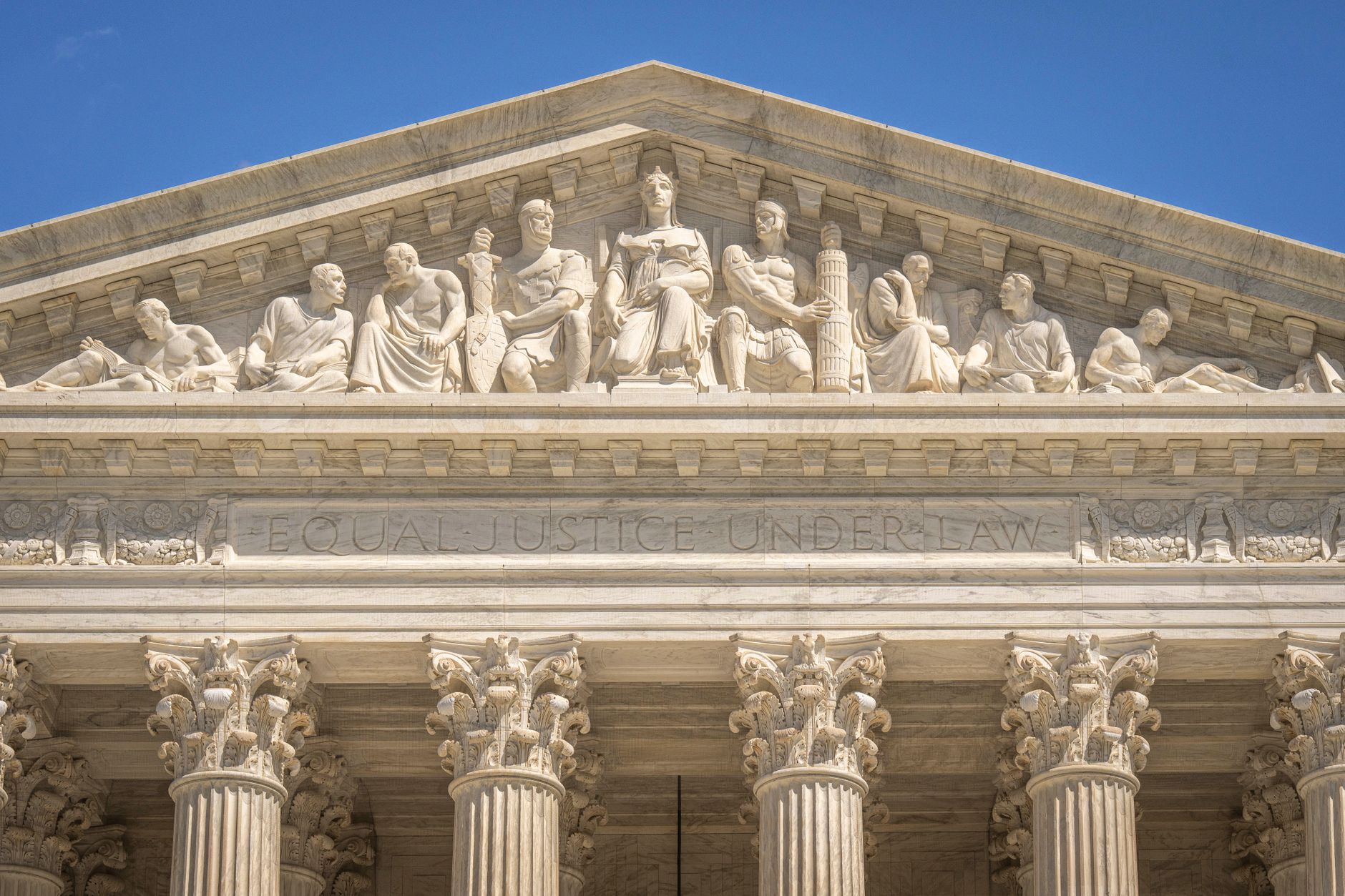
If you thought the fight over Roundup and cancer was over, think again. On Thursday, the US Supreme Court did something that will make a lot of people sick — and I don't mean from weedkiller. In a 6-3 decision, the Court effectively neutered the vast majority of lawsuits linking Bayer's flagship herbicide to non-Hodgkin's lymphoma. More than a hundred thousand plaintiffs just got a one-way ticket to legal nowhere.
The ruling in plain English
Here's what happened. The Court ruled that federal law — specifically the Federal Insecticide, Fungicide, and Rodenticide Act (FIFRA) — preempts state law failure-to-warn claims against pesticide manufacturers. In other words, if the EPA says a label is fine, you can't sue the company for not warning you enough. Justice Clarence Thomas, writing for the conservative majority, argued that allowing state juries to second-guess EPA-approved labels would create a patchwork of conflicting regulations and undermine federal authority.
The case that brought this to a head involved Edwin Hardeman, a California man who developed non-Hodgkin's lymphoma after decades of using Roundup on his 56-acre property. A jury had awarded him $80 million — later reduced to $25 million. But the Supreme Court said: sorry, no. The label satisfied federal requirements, and that's the end of it.
“If the EPA says it's okay, then it's okay — that's what the Court just told every cancer patient.”
What happens to the 100,000+ cases?
Bad news for plaintiffs. Most of those cases are state-law failure-to-warn claims — exactly the kind that just got killed. Some might pivot to design defect claims, but that's a much harder road. The Court left a crack in the door for cases where companies withheld information from the EPA, but that's a narrow and expensive path. The practical effect? The vast majority of Roundup lawsuits just got tossed or rendered unwinnable.
Meanwhile, Bayer stock jumped 6% on the news. The company had already set aside $16 billion to settle earlier claims, but this ruling could slash future liabilities by billions. For a company that's been bleeding cash from litigation, this is a lifeline.
The human cost
Let's not forget what this is really about: people who believe a product gave them cancer. The science is contentious — the International Agency for Research on Cancer classifies glyphosate as "probably carcinogenic," while the EPA and other agencies say it's safe. But for families like the Hardemans, the verdict from a jury of their peers meant something. Now that verdict means nothing.
One of the most jarring moments in oral arguments came when Justice Elena Kagan asked Bayer's lawyer whether a company could put "known human carcinogen" on a label even if the EPA didn't require it. The lawyer said yes — but then admitted that doing so might open the company to other lawsuits. So the system is: don't warn, and you're fine. Warn, and you're in trouble. That's not justice; that's a rigged game.
The bigger fight
This isn't just about Roundup. It's about who gets to make the rules — federal agencies or state juries. The conservative justices have long favored federal preemption, arguing that it promotes uniformity and business certainty. The liberals see it as a shield for corporate misconduct. Thursday's decision solidifies the conservative approach and sends a clear message: if you want to sue a company for failing to warn you, make sure the EPA hasn't already signed off on their labels.
Environmental and consumer groups are already promising legislative action. But given the current Congress, don't hold your breath. In the meantime, Bayer can breathe easier. Plaintiffs can start packing up their evidence.
The bottom line
This ruling is a brutal reminder that the law often favors the powerful. The Supreme Court didn't say Roundup is safe. It said that the safety of Roundup is the EPA's problem, not the courts'. For 100,000 people who think otherwise, that's a door slammed shut. For everyone else, it's a lesson in how the system really works. Maybe that will make you angry. It should.