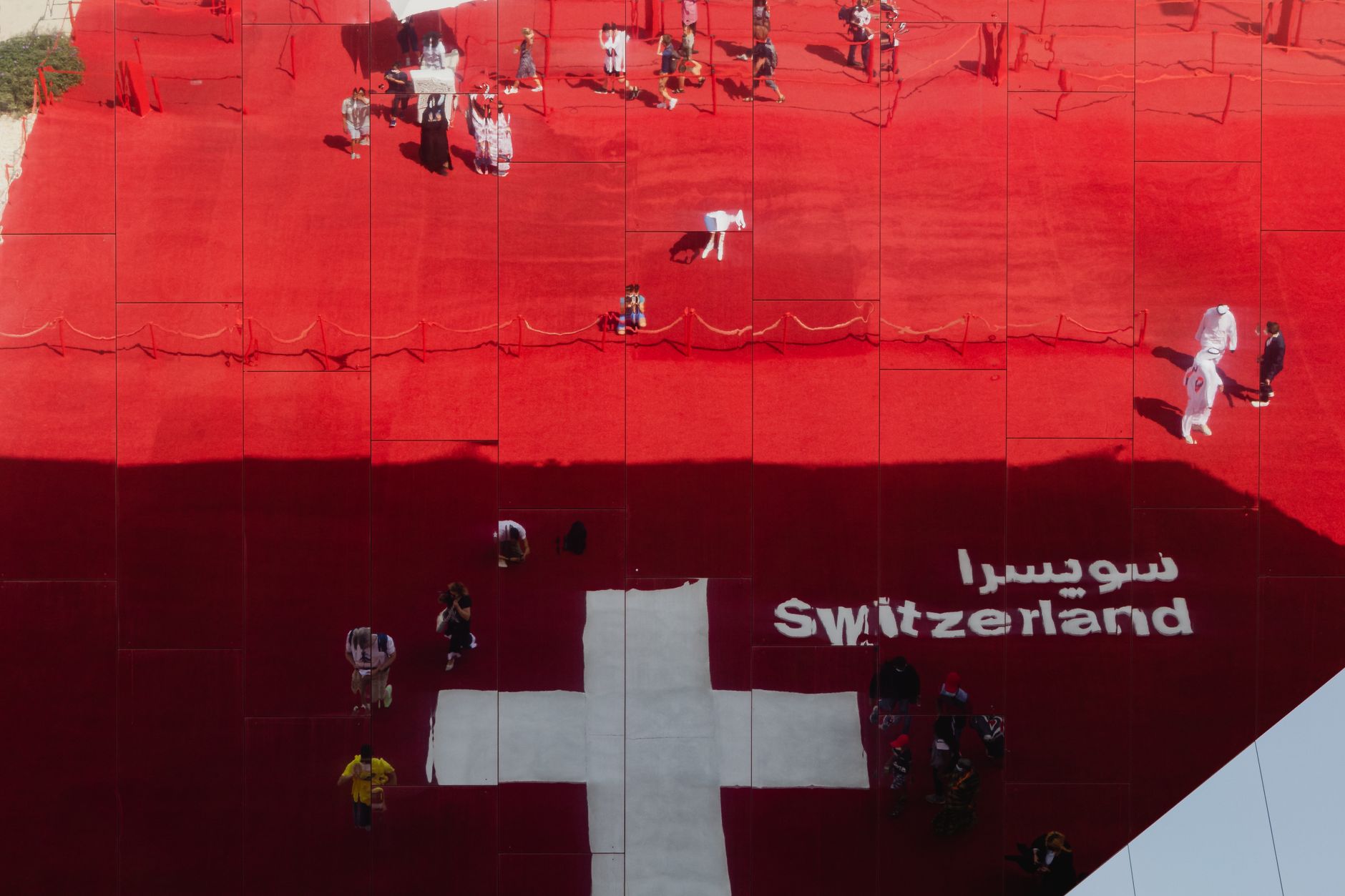
The Swiss Alps aren't supposed to smell like napalm. But here we are, with American and Iranian negotiators sitting across a polished table in Geneva while the Strait of Hormuz—the world's oil jugular—chokes on its own supply.
It's June 2026, and the Middle East is on fire again. Lebanon's border villages are smoking, the Strait is effectively shut by Iranian mines and speedboats, and oil prices have tripled in a month. Against that backdrop, the first face-to-face talks between Washington and Tehran in over a decade kicked off Sunday. The goal: a so-called 'initial peace deal.' The reality: a Hail Mary pass with the global economy as the ball.
How Did We Get Here?
Let's rewind. Iran's claim to have closed the Strait of Hormuz wasn't a bluff—at least not entirely. For three weeks, tankers have been sitting idle off the coast of Oman. Insurance rates have skyrocketed. The US Navy's Fifth Fleet is on high alert. Meanwhile, Hezbollah and Israeli forces have been trading fire across the Blue Line, and Iran's proxy militias in Iraq and Syria are rattling sabers.
The Biden administration, already battered by inflation and midterm losses, had no choice. Diplomacy is the last resort of desperate powers.
'The alternative was a war nobody wants,' a senior State Department official told me off the record. 'But nobody's happy about these talks either.'
Iran's supreme leader, Ayatollah Khamenei, reportedly gave the green light only after securing promises from Russia and China to backstop any deal. The message from Tehran: 'We negotiate from strength.' Except that strength looks a lot like brinkmanship.
The Stakes Are Existential
This isn't about nuclear centrifuges or enriched uranium—at least not yet. The immediate issue is the Strait of Hormuz. Every day it remains effectively closed, the global economy loses an estimated $5 billion. Gas lines in Europe are already stretching around blocks. In Asia, governments are rationing fuel. The US Strategic Petroleum Reserve is down to its last 100 million barrels.
Iran knows this. Their negotiators are reportedly demanding: full lifting of all sanctions, recognition of Iran's 'legitimate regional influence,' and a guarantee that the US will not support regime change. In return, they'll 'consider' reopening the Strait. The gap between those positions is wide enough to drive an oil tanker through.
But here's the kicker: both sides need a win. President Biden, facing a tough reelection campaign, can't afford another foreign policy disaster. President Raisi, under pressure from hardliners at home, needs to show that confrontation pays. That's a recipe for a deal—just not necessarily a good one.
The Skeptics Circle
Not everyone is cheering. Israel's Prime Minister called the talks 'a betrayal of the free world.' Saudi Arabia's de facto ruler, MBS, stayed silent but reportedly refuses to increase oil output until 'Iran stops playing pirate.' And Gulf Arab states are hedging: they're publicly supporting diplomacy while privately begging the US for more Patriot missiles.
On the Iranian side, the Revolutionary Guard Corps is livid. They benefit from chaos, not calm. A peace deal would mean returning to barracks and forfeiting the lucrative smuggling networks that keep their commanders in luxury. Expect spoilers—a 'mysterious' attack on a pipeline, an 'accidental' drone strike—to test the talks.
What a Deal Looks Like
Best case: a short-term truce. Iran reopens the Strait of Hormuz in exchange for limited sanctions relief and a promise to 'pause' military escalation. Then both sides kick the hard stuff—nuclear enrichment, missile programs, human rights—down the road for 'future negotiations.'
Worst case: talks collapse, the Strait stays shut, and the US launches airstrikes on Iranian coastal defenses. That would be war—the kind that drags in everyone from Yemen to the Mediterranean.
I've covered nine Middle East peace processes. They all follow the same script: euphoria, then cynicism, then a return to violence. The only variable is how many people die in between.
The Bottom Line
These talks are a gamble. The US is betting that Iran can be bribed into behaving. Iran is betting that the US is too weak to do anything else. One of them is wrong.
As the negotiators broke for dinner Sunday evening—lamb chops for the Americans, saffron rice for the Iranians—a Swiss mediator told me, 'We have a framework. The rest is just details.' Details like the lives of millions, the fate of the global economy, and whether the 21st century will be defined by diplomacy or disaster.
Stay tuned. This story is far from over.