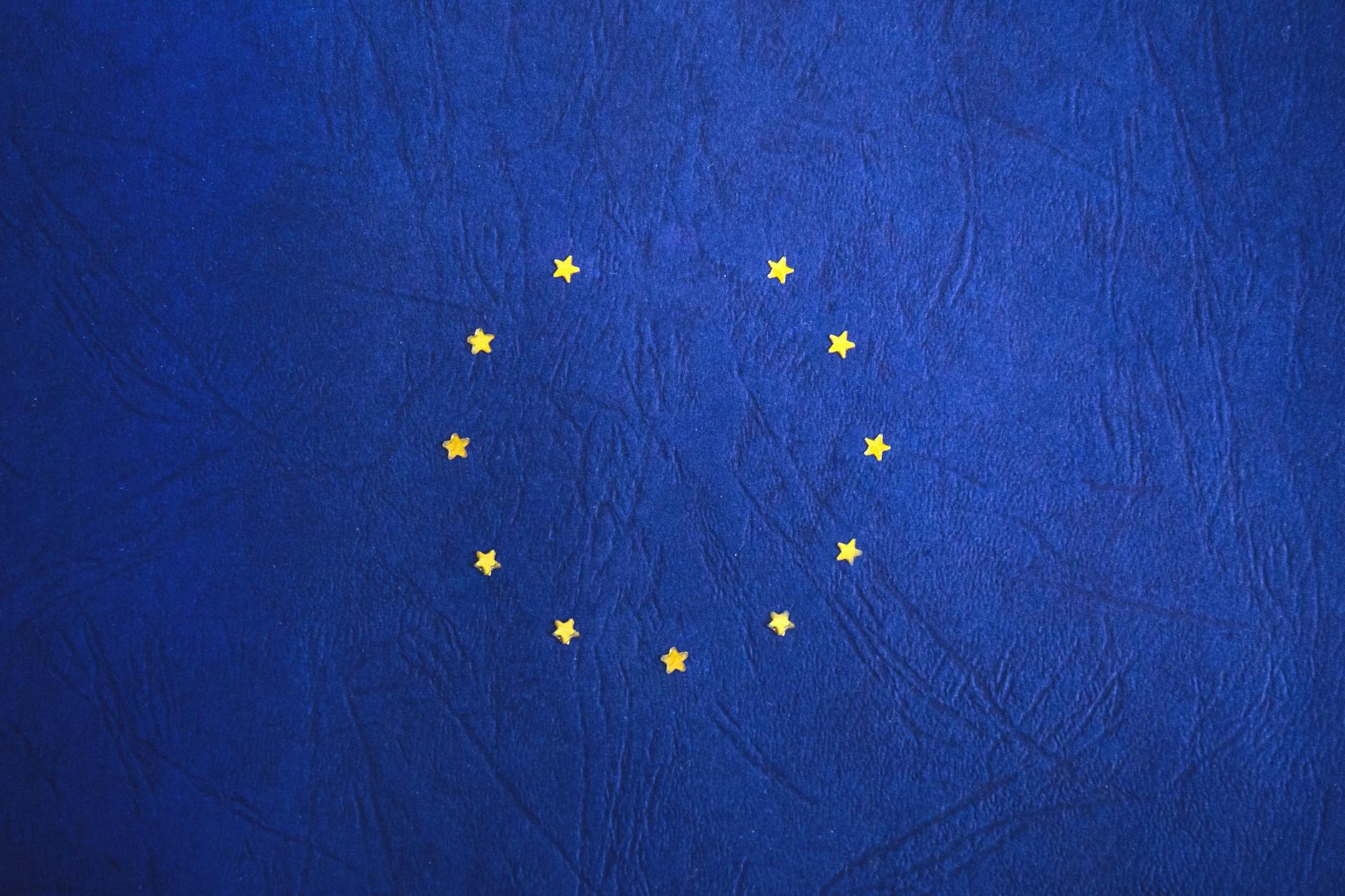
It was supposed to be a liberation. The day Britain reclaimed its sovereignty, threw off the shackles of Brussels, and set sail for a glorious independent future. That was the promise. Ten years on, the reality is a slow-motion train wreck that’s left the UK poorer, weaker, and more divided than ever.
The Economic Catastrophe Nobody Wants to Admit
Let’s start with the numbers, because they don’t lie. Since the 2016 vote, the British economy has underperformed every other major advanced economy. GDP growth is roughly 5% below where it would have been had the UK stayed in the EU. That’s not a prediction — it’s an after-the-fact calculation by the Office for Budget Responsibility. Five percent doesn’t sound like much until you realize that translates into hundreds of billions of pounds in lost output and, more crucially, lower wages for working people. In 2024 alone, the average household was £2,100 worse off than if Brexit hadn’t happened. Tell that to the woman in Grimsby who voted Leave hoping for a better future and now can’t afford her heating bill.
Trade? A disaster. UK goods exports to the EU are down 20% compared to pre-Brexit trends. The endless customs checks, the new paperwork, the sheer friction of leaving the world’s largest single market — it’s choked off commerce. Small businesses have been hit hardest. Exporters spend millions on form-filling and lawyers. The much-hyped free trade deals with Australia and New Zealand? They’re worth less than 0.1% of GDP. Meanwhile, the EU has moved on. It negotiates trade deals without Britain, and the UK stands alone, a small island shouting into the wind.
“Brexit was never about economics — it was about sovereignty and control. But what’s the point of control if you’re controlling a shrinking pie?”
The Border Nightmare That Never Ended
Remember Boris Johnson’s “oven-ready deal”? It turned out to be half-baked. The Northern Ireland Protocol was supposed to solve the Irish border conundrum, but instead it created a new one. The Windsor Framework helped, but the underlying tension remains. Unionists feel betrayed. Nationalists see a path to reunification. The UK is now a country that can’t even manage its own internal borders without triggering a political crisis. And the fishing industry — the poster child of Brexit’s promises — is in freefall. Scottish fishermen who cheered Brexit now watch their catches rot on the dock because they can’t get their product to European markets quickly enough. The “global Britain” slogan rings hollow when your nearest neighbors are your biggest problem.
Immigration: The One Promise They Actually Kept (In the Wrong Way)
Leave campaigners said Brexit would let Britain take back control of its borders. They were right, but not in the way they intended. Net migration has soared to record highs — over 700,000 in 2023 — driven largely by non-EU arrivals. The new points-based system was supposed to attract the “brightest and best,” but it’s been a chaotic mess. Care workers, fruit pickers, and delivery drivers flood in while skilled workers from Europe leave. The UK has swapped free movement from EU countries for a system that’s harder to manage and less transparent. The result? The same resentment that fueled Brexit is still there, now aimed at different targets. The Tories’ Rwanda deportation scheme was a cruel farce that cost billions and sent exactly zero people to Rwanda. Control? You can’t even control a single flight.
The Political Rot at the Heart of Westminster
Brexit was supposed to restore faith in British democracy. Instead, it broke it. The past decade has seen five prime ministers, endless infighting, and a Conservative Party that’s eaten itself alive. The Brexit Party is gone, but its ghost haunts every debate. Labour, terrified of being seen as the “party of Remain,” has spent years triangulating and saying nothing. The result is a political vacuum filled by populists on all sides. Trust in government is at an all-time low. And the irony? The very sovereignty Brexiteers craved has proved hollow. The UK can now set its own regulations, but it has no global influence. It can strike its own trade deals, but they’re small and pathetic. It can diverge from EU rules, but it has no clear direction. The country is adrift.
What Did We Actually Get?
Let’s be honest. The only tangible benefits of Brexit are the ability to ban hormone-treated beef and chlorinated chicken — which the EU already did — and the freedom to set our own VAT rates on women’s sanitary products. That’s it. Everything else — the trade deals, the regulatory freedom, the global Britain — is either a failure or a fantasy. Even the vaccine rollout, often cited as a Brexit triumph, was a matter of timing and luck, not sovereignty. The EU made mistakes early, but it caught up. Britain’s early success was squandered by a government that couldn’t manage a pandemic beyond the first few months.
The Brexit dream was built on lies. The £350 million a week for the NHS. The sunlit uplands. The idea that Britain could have all the benefits of EU membership without any of the costs. It was always a fairy tale, and we’re still paying the price.
The Verdict
Ten years on, the question isn’t whether Brexit worked — it’s whether the country can survive the damage. The economic scars will take a generation to heal. The political scars are permanent. The UK is more divided, less prosperous, and less influential than it was in 2016. The only winners are the ideologues who got what they wanted and the elites who profited from the chaos. The losers are the ordinary people who believed a better future was possible. They were sold a dream and got a nightmare. And the worst part? Nobody in power has the guts to admit it.